
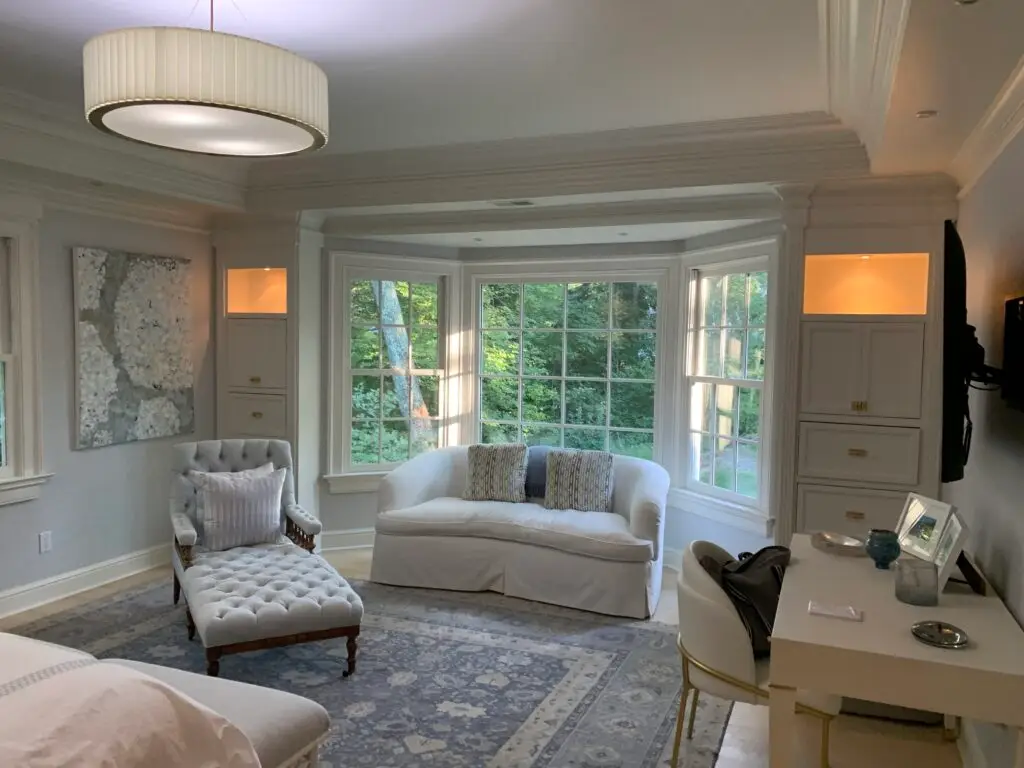
Successfully painting aluminum window frames requires meticulous preparation and the use of specialized products. Follow this detailed method to ensure superior adhesion, a smooth finish, and long-lasting results that withstand exterior weather conditions.
Step-by-Step Painting Method
This process assumes the frames are already installed. Careful masking of surrounding areas is critical before starting Step 1. Use high-quality painter’s tape to protect all glass, surrounding trim, weatherstripping, and the house exterior.
Step 1: Wash and De-oxidize the Aluminum
Aluminum must be perfectly clean and free of chalking (oxidation) for the primer to bond.
- Initial Wash: Use a solution of mild detergent and warm water to scrub the entire frame, removing surface dirt and grease. Rinse thoroughly.
- Degrease: Wipe down the frames with a cloth lightly dampened with denatured alcohol or mineral spirits. This dissolves any remaining oils or residue.
- De-oxidize: If you notice white, chalky residue, you must remove it. Use a vinegar-and-water solution or a commercial de-oxidizer and a gentle abrasive pad (like a gray non-woven pad) to lightly scrub the entire surface. Rinse and allow the frames to dry completely.
Step 2: Sand Lightly for Surface Adhesion
This step creates the necessary “tooth” for mechanical bonding.
- Scuff Sand: Using 220-grit or 320-grit sandpaper, gently scuff-sand the entire surface of the aluminum. You are only aiming to dull the glossy finish, not to remove all the existing paint or score the metal deeply.
- Dust Removal: Wipe the frames down with a clean, dry microfiber cloth or a tack cloth to ensure every particle of sanding dust is removed. Dust is a bond breaker!
Step 3: Apply an Etching Primer
The specialized primer is the foundation of a successful aluminum paint job.
- Product: Use a self-etching primer or a high-adhesion bonding primer specifically rated for exterior metal and difficult substrates.
- Application: Apply the primer in a very thin, consistent coat. Use an angled brush for corners and a small foam roller for flat surfaces. If using spray primer (highly recommended for a smooth finish), maintain a steady 8-12 inch distance and use continuous, overlapping passes.
- Dry Time: Allow the primer to dry exactly according to the manufacturer’s directions, usually 1–4 hours. Do not rush this step, as proper chemical bonding takes time.
Step 4: Apply Two Coats of Paint
Use your chosen exterior-grade acrylic enamel or metal-safe coating.
- First Coat: Apply the first coat of paint thinly and evenly. Work in small sections, ensuring complete coverage of the primed area. If using a brush and roller, immediately tip-off (lightly run the brush over the rolled area) to smooth out roller texture.
- Intermediate Dry: Allow the first coat to dry fully (typically 4–8 hours).
- Second Coat: Apply a second thin coat, which will achieve the final color depth and provide maximum UV protection. Avoid applying too much paint, especially in corners, to prevent pooling and running.
Step 5: Seal for Weather Protection
While high-quality enamels are durable, an extra clear coat enhances longevity in harsh climates.
- Product: A clear, exterior-rated polycrylic is the safest option, especially over lighter colors (as it won’t yellow).
- Application: Apply one very thin, final coat using a clean brush or roller. This clear barrier adds an extra layer of protection against abrasion and moisture penetration.
- Cure Time: Allow the frames to dry for at least 24 hours before removing the painter’s tape. Avoid touching or washing the newly painted surfaces for 7–10 days to allow the paint to fully harden (cure).
Tools and Materials You Will Need
Sandpaper, Microfiber Cloths, Painter’s Tape
- Sandpaper: 220-grit and 320-grit.
- Cleaning/Dust Removal: Denatured alcohol, degreaser, and lint-free microfiber or tack cloths.
- Masking: High-quality blue or green painter’s tape for long-term exterior use (e.g., 7-day removal tape) and plastic sheeting or paper for covering large areas of glass/siding.
Metal-Safe Primer and Paint
- Primer: Self-etching primer or universal bonding primer (must be exterior-rated).
- Paint: Premium 100% exterior acrylic enamel (semi-gloss or satin sheen recommended for durability).
Small Rollers or Spray Gun
- Brush: High-quality, angled 1-inch or 1.5-inch synthetic brush for corners and detailed areas.
- Roller: 4-inch foam or low-nap micro-fiber roller for a smooth, bubble-free finish on flat surfaces.
- Spray: A small airless sprayer or high-quality aerosol cans of spray enamel (requires extensive masking).
Tips for a Smooth, Professional Finish
Weather and Temperature Considerations
Aluminum is highly sensitive to temperature. Do not paint in direct sunlight or on extremely hot days. The metal will become hot, causing the paint to dry (flash) too quickly, leading to brush marks, poor leveling, and weak adhesion.
- Ideal Conditions: Paint when temperatures are between 60°F and 85°F (15°C and 30°C) and the humidity is low. If possible, work in the shade.
Preventing Drips and Uneven Coats
- Load Management: Dip only the tip of your brush into the paint or primer. Wipe excess paint off the roller before applying it to the frame.
- Thin is In: Always apply multiple thin coats rather than one thick coat. Thin coats cure harder, adhere better, and level smoother.
- Horizontal Strokes: When rolling or brushing, finish with long, horizontal strokes that follow the length of the frame to minimize visible start/stop marks.
FAQs About Painting Aluminum Frames
“Should I remove the frames before painting?”
No, it is generally not recommended. Window frames are integral to the window’s seal and structural integrity. Removing them is complex, risks damaging the exterior building envelope (leading to leaks), and is entirely unnecessary for painting. Proper masking and painting the frames in situ is the standard professional approach.
“Can I spray paint aluminum?”
Yes, spray painting is often the preferred method because it eliminates brush and roller marks, delivering the smoothest, most professional finish. However, spray painting requires meticulous masking and preparation to protect the surrounding glass and siding from overspray.
“How long should primer dry?”
Always defer to the product label, but most self-etching or bonding primers require 1 to 4 hours to dry to the touch. More importantly, check the “recoat window” on the primer—this is the specific time frame during which you must apply the topcoat for the best chemical bond.
Precision and patience are your best tools when painting aluminum. By adhering strictly to the prep and primer steps, you ensure that your paint job will look sharp and last for years.
For specialized projects like these, relying on professional expertise makes all the difference. Contact Anderson’s Painting to guarantee a perfect, enduring finish on your home’s exterior.