
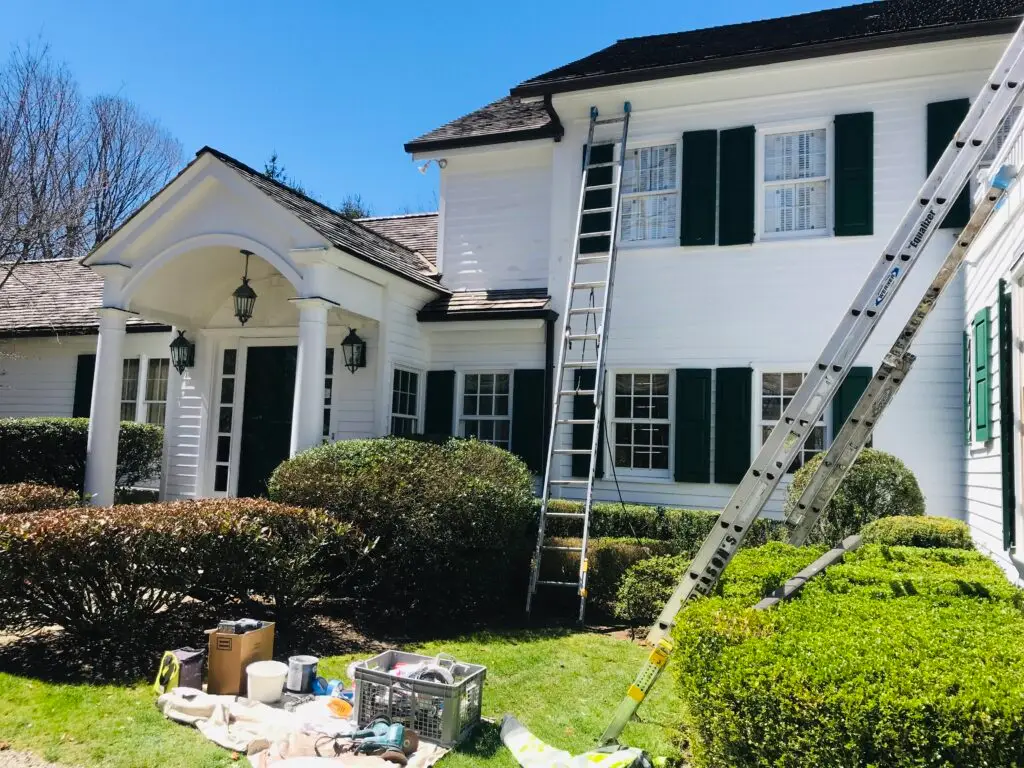
Painting your home’s exterior wood siding is one of the most impactful ways to enhance its curb appeal and, more importantly, protect it from the relentless assault of weather, UV rays, and moisture. A well-executed paint job acts as a vital shield, preserving the integrity of your wood and extending its lifespan. Achieving a beautiful, long-lasting, and weatherproof finish on wood siding requires meticulous preparation and proper application techniques. This step-by-step guide will walk you through how to paint exterior wood siding for truly durable results.
Inspecting and prepping the siding
Proper preparation is not just a recommendation; it’s the absolute foundation of a successful and long-lasting exterior paint job. Skimping on prep will guarantee premature paint failure.
- Thorough Inspection:
- Walk around your entire house and visually inspect every inch of the siding, paying close attention to areas beneath eaves, around windows and doors, and on the lower sections of walls.
- Look for:
- Peeling, flaking, or blistering paint: These areas must be scraped off.
- Cracks or gaps: Especially around trim, windows, and where siding meets other materials.
- Loose or missing nails/screws: Secure any loose fasteners.
- Rotting or soft wood: Probe suspicious areas with a screwdriver. Replace any wood that is soft or crumbling.
- Mold, mildew, or algae: Look for green, black, or gray fuzzy growth.
- Chalking: A powdery residue that comes off when you run your hand across the surface, indicating the paint is breaking down.
- Cleaning the Siding:
- Remove Loose Debris: Start by sweeping or brushing off all loose dirt, cobwebs, and debris.
- Wash the Siding: This is critical. You can use a garden hose with a stiff brush and a solution of mild detergent (like dish soap) and water. For larger homes or heavily soiled siding, a power washer (pressure washer) is highly efficient.
- Power Washing Tips: Use a wide-angle tip (e.g., 25-degree or 40-degree) and keep the nozzle moving, maintaining a safe distance (typically 12-18 inches) to avoid damaging the wood or forcing water behind the siding. Work from top to bottom.
- Mildew/Mold Treatment: For areas with mold or mildew, use a specialized exterior house cleaner or a solution of 1 part bleach to 10 parts water. Apply, let sit for 10-15 minutes, then scrub and rinse thoroughly.
- Rinse Thoroughly: Rinse the entire house meticulously until all cleaning solution, soap residue, and loosened grime are completely gone.
- Dry Time: Allow the siding to dry completely for at least 24-48 hours (or longer in humid conditions). Painting over damp wood will lead to blistering and peeling.
- Scraping and Sanding:
- Scrape All Loose Paint: Use a good quality paint scraper to remove all peeling, flaking, or bubbling paint. Be thorough.
- Feather Edges: Once loose paint is removed, lightly sand the edges of the remaining old paint (feathering) with medium-grit sandpaper (100-120 grit) to create a smooth transition.
- Smooth Rough Spots: Sand any rough areas on bare wood. A light sanding (150-180 grit) of all bare wood can also help with primer adhesion.
- Remove Dust: After all sanding, use a broom, brush, or leaf blower to remove all sanding dust from the siding.
- Repair and Caulk:
- Repair Damage: Fill small holes, minor cracks, or damaged areas in the wood with an exterior-grade wood filler. For larger rotted sections, replace the wood entirely. Sand repairs smooth once dry.
- Caulk Gaps: Apply a high-quality, paintable acrylic latex caulk around windows, doors, trim boards, and any other gaps where moisture could penetrate. Smooth the caulk bead for a professional look. Allow caulk to cure fully.
- Masking and Protecting:
- Use high-quality painter’s tape to protect windows, doors, light fixtures, and any other elements you don’t want painted.
- Lay down drop cloths or plastic sheeting on the ground, shrubs, and walkways to protect them from drips and overspray.
Best primers and paints for wood
Choosing the right primer and paint is just as critical as preparation for a long-lasting, weatherproof finish.
Primers:
- Exterior Primer (Essential!): Always prime bare wood, patched areas, and any areas where old paint was extensively scraped off. Primer creates a uniform surface, blocks stains, and significantly improves topcoat adhesion.
- 100% Acrylic Latex Primer: Best choice for most situations. Offers good adhesion, flexibility, and quick drying.
- Oil-Based (Alkyd) Primer: Excellent for blocking stubborn stains like tannin bleed (from cedar, redwood), preventing rust from nail heads, or priming over chalky old paint. Dries slower and has more fumes.
- Stain-Blocking Primer: If you have severe water stains, smoke damage, or knot bleed, opt for a specialized stain-blocking primer, often shellac-based or high-quality oil-based.
Paints:
- 100% Acrylic Exterior Latex Paint:
- Recommendation: This is the top choice and industry standard for exterior wood siding.
- Pros: Exceptional flexibility (expands and contracts with wood, preventing cracking/peeling). Excellent UV resistance (resists fading). Highly breathable, allowing moisture vapor to escape. Superior adhesion. Easy water cleanup. Dries relatively quickly. Excellent mold and mildew resistance.
- Cons: Not as hard a finish as oil-based, but hardness is less critical for siding than for walking surfaces.
- Acrylic Blended (Acrylic-Latex) Exterior Paint: Good value option, but not as durable or flexible as 100% acrylic.
- Oil-Based Exterior Paint (Alkyd):
- Pros: Creates a very hard, smooth finish. Excellent adhesion, particularly on very old or chalky surfaces. Good for specific stain-blocking (if not primed).
- Cons: Less flexible than acrylics, making them more prone to cracking and peeling on wood over time. Dries slowly. Higher VOCs (stronger fumes). Cleanup requires mineral spirits. Can yellow over time, especially lighter colors. Generally avoided on wood siding today due to flexibility issues.
Finishes (Sheens):
- Satin/Eggshell: The most popular and recommended finish for wood siding. Offers a subtle sheen that is durable, easy to clean, and helps hide minor surface imperfections while providing excellent protection.
- Low Lustre: Similar to satin, often a manufacturer’s specific term for a very low sheen.
- Flat/Matte: Hides imperfections well, but less durable and harder to clean. Can absorb more dirt. Not ideal for areas needing frequent cleaning.
- Semi-Gloss: Very durable and easy to clean, but its higher sheen will highlight every imperfection in the siding. More commonly used for trim and doors.
Application techniques for even coverage
Proper application is key to achieving a smooth, even, and streak-free finish.
- Apply Primer First:
- Apply primer only to the areas that need it (bare wood, patched areas, stained spots).
- Use a brush for small areas, and a roller or sprayer for larger sections.
- Allow primer to dry completely according to manufacturer instructions.
- Paint in Ideal Conditions:
- Check the paint can for recommended temperature and humidity ranges. Generally, between 50∘F and 85∘F (10∘C and 30∘C) is ideal.
- Avoid painting in direct hot sun, as paint dries too quickly and can lead to brush marks or poor adhesion. Work in shaded areas if possible.
- Avoid painting if rain is expected within 24-48 hours.
- Use Quality Tools:
- Invest in good quality exterior paint brushes (angled sash brush for cutting in, wider brush for siding).
- Use a proper exterior roller cover (3/8″ to 1/2″ nap for smooth siding) on an extension pole for larger, flat sections.
- An airless paint sprayer can provide the fastest, most uniform finish, but requires significant masking and practice.
- Work in Manageable Sections:
- Divide the siding visually into manageable sections (e.g., from one window to another, or one side of the house).
- Work from top to bottom to allow gravity to help and to avoid drips on newly painted areas.
- Maintain a “Wet Edge”:
- As you paint, always overlap your new strokes into the previously applied, still-wet paint. This is crucial for avoiding lap marks and visible streaks. Work continuously across a section once you start.
- Apply Two Thin Coats:
- Always apply two thin, even coats of paint rather than one thick one. Two thin coats provide superior coverage, durability, and a smoother finish, and reduce the risk of drips and sags.
- Allow the first coat to dry completely (check paint can for recoat times, typically 2-6 hours) before applying the second.
- Back-Brushing/Rolling (if spraying): If using a sprayer, it’s often recommended to “back-brush” or “back-roll” the paint immediately after spraying, especially on bare or textured wood. This pushes the paint into the grain and ensures better adhesion.
Common mistakes to avoid
Preventing these pitfalls will save you time, effort, and ensure a better result.
- Inadequate Preparation: The single biggest mistake. Not cleaning, scraping, sanding, or caulking thoroughly will lead to premature paint failure, no matter how good the paint is.
- Painting Over Damp Wood: Trapped moisture will cause paint to blister, peel, and eventually lead to rot. Always ensure the wood is bone dry.
- Using the Wrong Paint: Don’t use interior paint or general exterior paint not specifically designed for wood siding. Always choose a high-quality 100% acrylic exterior paint.
- Skipping Primer on Bare Wood/Stains: Primer is essential for adhesion and stain-blocking on exposed wood.
- Applying Paint Too Thickly: Leads to drips, sags, uneven drying, and reduced durability. Multiple thin coats are always better.
- Painting in Direct Hot Sun: Causes paint to dry too quickly on the surface, preventing proper bonding and leaving brush/roller marks.
- Painting in High Humidity or When Rain is Expected: Humidity slows drying, and rain will wash away or damage wet paint.
- Not Maintaining a Wet Edge: Leads to unsightly lap marks, especially with lighter colors or flat finishes.
- Not Stirring Paint Properly: Pigments and binders can settle, leading to inconsistent color and sheen. Stir paint thoroughly before and during use.
- Ignoring Manufacturer Instructions: Always read the paint can’s instructions for specific dry times, recoat times, and application conditions.
How to maintain painted wood siding
Proper maintenance will significantly extend the life of your new paint job.
- Regular Cleaning:
- Annually or biannually, gently wash your siding with a garden hose to remove dirt, dust, and pollen.
- For more stubborn grime or mildew, use a mild detergent solution or a specialized exterior house cleaner with a soft brush, then rinse thoroughly. Avoid aggressive scrubbing or harsh chemicals.
- Annual Inspection:
- Walk around your house each year, especially after winter, to inspect for any small chips, cracks, peeling areas, or failing caulk.
- Prompt Touch-Ups and Repairs:
- Address small issues immediately. Clean the area, lightly sand any peeling edges, prime bare spots, and touch up with leftover paint. This prevents minor damage from escalating into major problems.
- Re-caulk any failing caulk lines.
- Manage Moisture:
- Ensure gutters are clean and direct water away from the house.
- Trim shrubs and trees that are too close to the siding, preventing moisture buildup and promoting airflow.
- Check that sprinklers aren’t constantly hitting the siding.
- Monitor for Pest Infestation: Address any insect or rodent issues promptly, as they can damage the wood and compromise the paint.
By following these steps, your home’s exterior wood siding will remain a beautiful, protected, and enduring feature for many years to come, truly making your paint job a long-lasting and weatherproof investment.
Is your home’s exterior wood siding ready for a fresh, protective coat of paint? Anderson’s Painting specializes in expert exterior house painting, ensuring meticulous preparation, the use of premium, weatherproof paints, and a flawless finish that revitalizes your home’s curb appeal and protects your investment. Contact us today for a free consultation!