
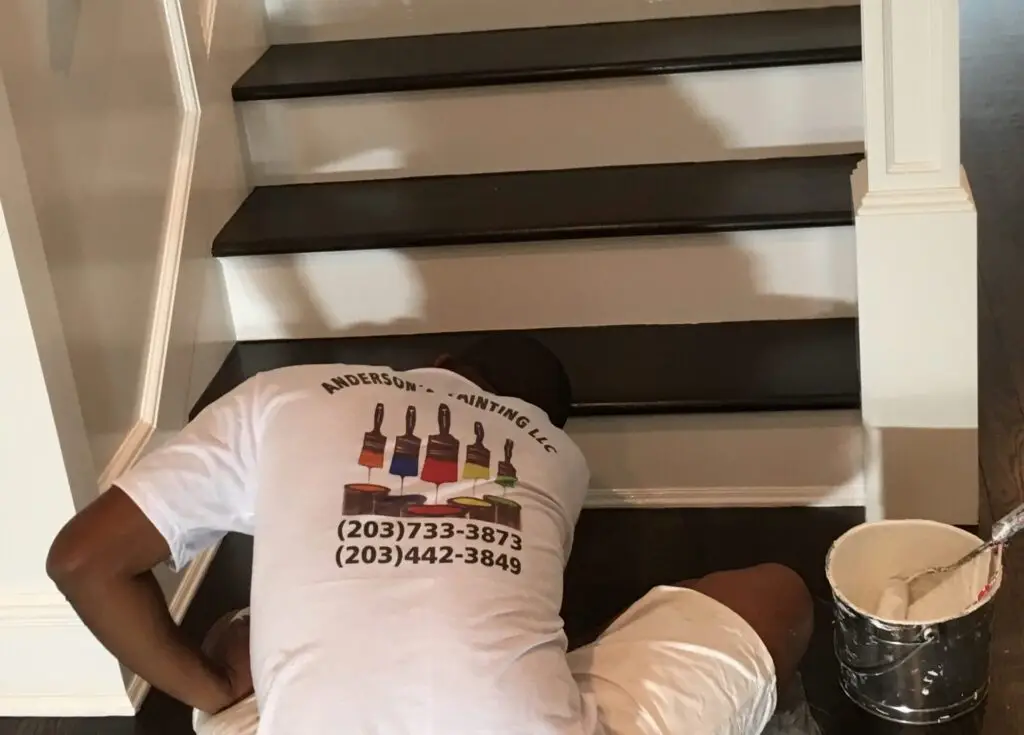
Painting your stair risers is a fantastic way to refresh the look of your staircase without a major renovation. It can hide scuffs and imperfections while creating a clean, modern aesthetic. While it seems like a simple project, proper preparation and technique are crucial to ensure a durable and professional-looking result that can withstand daily foot traffic. This guide provides a detailed, step-by-step process to help you paint your stair risers with confidence and achieve a long-lasting finish.
Tools and supplies you’ll need
Before you begin, gather all the necessary materials. Having everything on hand will make the process much smoother.
- Cleaning Supplies: Degreaser or a mild detergent, sponge, bucket, and rags.
- Sanding Supplies: Medium-grit sandpaper (120−150 grit), sanding block.
- Painter’s Tape: High-quality painter’s tape ( to 2 inches wide) to protect adjacent surfaces.
- Primer: A high-quality interior primer.
- Paint: A durable semi-gloss or enamel paint in your chosen color.
- Brushes: A high-quality angled brush (2 to 2.5 inches) for detailed work and a roller with a small nap (3 to 4 inches) for larger areas.
- Drop Cloths: To protect your floor and carpet.
- Other: Stir stick, ladder (if needed for the top riser).
Preparing stair risers for paint
Proper preparation is the most critical step for a long-lasting, professional finish. Do not skip these steps.
- Clean the Risers: Start by cleaning each riser thoroughly to remove any dirt, dust, and grime. Use a degreaser or a mix of warm water and a little dish soap. Be sure to wipe everything clean and let the surface dry completely.
- Sand the Surface: Lightly sand each riser and the bullnose (the front edge of the step) with medium-grit sandpaper. This will scuff the surface, allowing the primer and paint to adhere better. If you have any old, peeling paint, be sure to scrape it away and sand until the surface is smooth. Wipe away all sanding dust with a damp rag.
- Repair Imperfections: Fill any nail holes or small cracks with wood filler. Once dry, sand the filler smooth and flush with the surface.
Step 1 – Apply painter’s tape for clean lines
This step ensures you get a clean, professional line where the riser meets the tread (the horizontal part of the step).
- Carefully apply painter’s tape along the bottom edge of the tread, pressing it firmly with your fingers or a putty knife to create a seal.
- Also, tape any side trim, wall, or baseboards that are adjacent to the riser to protect them from paint drips.
Step 2 – Apply PRIMER FOR ADHesion
Priming is crucial for several reasons: it blocks stains, ensures uniform color, and helps the paint bond to the surface.
- Using a high-quality brush, apply a thin, even coat of primer to each riser.
- Start at the top of the staircase and work your way down. This prevents you from getting trapped at the bottom with wet paint.
- Let the primer dry completely according to the manufacturer’s instructions, typically a few hours.
Step 3 – Paint with semi-gloss or enamel
Now you’re ready to apply the paint.
- Stir your paint thoroughly.
- Using your angled brush, start by cutting in the edges where the riser meets the treads and side walls.
- Once the edges are painted, use a small roller to apply a thin, even coat over the rest of the riser. Roll from top to bottom, avoiding streaks and drips.
- Continue this process for each riser, working your way down the staircase.
Step 4 – Allow drying and apply second coat if needed
Patience is key to a professional finish.
- Let the first coat dry completely. This is very important for proper adhesion and to prevent peeling later on.
- Once the first coat is dry, inspect the risers. If the previous color is still showing through or the finish looks uneven, apply a second thin coat using the same technique.
- If you are using a semi-gloss or enamel paint, two thin coats are generally better than one thick one.
- Once the final coat is dry to the touch, carefully remove the painter’s tape. Pull it off at a 45-degree angle to prevent tearing the paint. Be careful not to scuff the freshly painted risers while you remove the tape.
Allow the paint to cure fully before subjecting the staircase to heavy traffic. This can take several days to a week. The extra time and care you put into this project will pay off with a beautiful, durable staircase that you’ll be proud to show off.
Ready to start your project? Let’s talk about the specific paint or tools you might need for your staircase.