
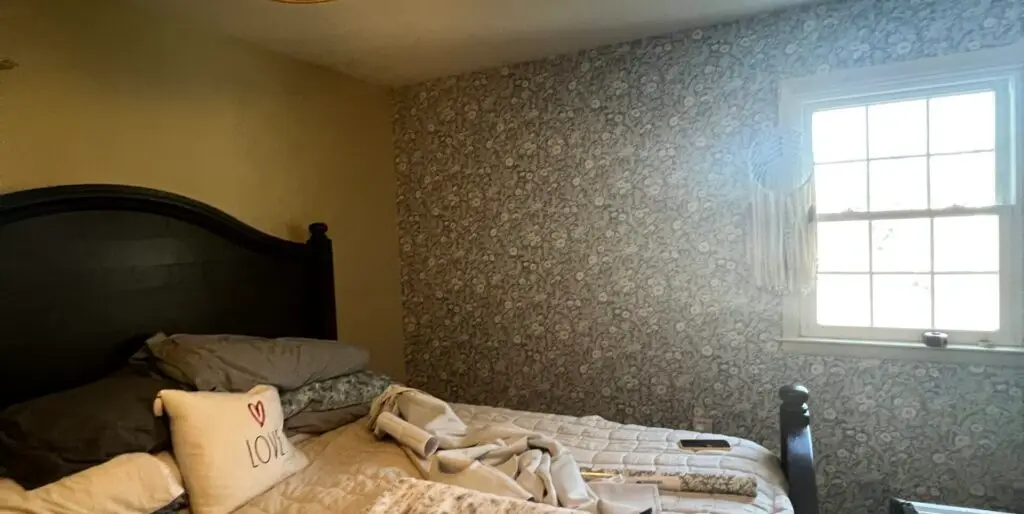
Removing old wallpaper can feel like a daunting task, often ranking high on the list of dreaded DIY projects for homeowners across the U.S. However, with the right preparation, tools, and techniques, it’s a manageable job that can transform your space and prepare your walls for a fresh coat of paint or a new design. Before you pick up that paintbrush, here’s a guide to effective DIY wallpaper removal.
Prepare: Clear space, cover floor & turn off power
Proper preparation is half the battle when it comes to wallpaper removal. It ensures safety, protects your home, and makes the job smoother.
- Clear the Room: Remove all furniture, artwork, and wall hangings from the room. If large furniture can’t be moved, push it to the center of the room and cover it with plastic sheeting.
- Protect Your Floors: Lay down drop cloths, plastic sheeting, or old towels to protect your floors from water, adhesive, and wallpaper debris. Tape them securely along the baseboards.
- Turn Off Power: For safety, turn off the power to the room at your home’s electrical breaker panel. This is crucial when working near outlets and light switches, especially when using water or steam. Remove outlet and switch covers.
- Gather Supplies: Have all your tools ready: sponges, buckets, spray bottles, scoring tool, scraper, clean rags, and your chosen removal solution.
Identify wallpaper type: Strippable vs. Traditional
Knowing the type of wallpaper you’re dealing with will determine the easiest removal method.
- Strippable Wallpaper: This is the easiest type to remove. It typically comes off in full sheets, leaving minimal residue. You can often start by finding a loose corner (usually at the bottom or top of a seam) and gently peeling it upwards at a 45-degree angle. If it comes off easily, you’re in luck!
- Peelable Wallpaper: Similar to strippable, but only the top layer peels off, leaving a backing paper still adhered to the wall. This backing paper will then need to be treated and scraped.
- Traditional (Non-Woven or Solid Vinyl): This is the most common and often most challenging type. It requires wetting the paper thoroughly to dissolve the adhesive behind it. This usually involves scoring the surface first to allow the water or solution to penetrate.
You can often test a small, inconspicuous area (like behind a door or in a closet) to see how easily it comes off.
Manual removal: Scoring tool + Warm water/solvent
For most traditional wallpapers, a combination of scoring and a wetting agent is highly effective.
- Score the Wallpaper: Use a wallpaper scoring tool (a wheeled tool with small teeth that perforates the wallpaper surface). Gently roll the scoring tool over the entire wallpapered surface. Don’t press too hard, as you don’t want to damage the drywall underneath. The perforations allow your removal solution to penetrate the paper and reach the adhesive.
- Apply Warm Water or Removal Solution:
- Warm Water: For many older wallpapers, warm water alone can activate and loosen the adhesive. Fill a spray bottle with warm water (you can add a few drops of dish soap to help it penetrate).
- Commercial Wallpaper Remover: For tougher adhesives, a commercial wallpaper stripper/remover solution is often more effective. Mix it according to the manufacturer’s instructions.
- Saturate and Wait: Generously spray or sponge the solution onto a manageable section of the wallpaper. Let it sit and soak for 15-20 minutes. This allows the liquid to fully penetrate and break down the adhesive. Don’t let the paper dry out. Keep it moist.
- Scrape: Using a wide, dull putty knife or a wallpaper scraper (preferably one with rounded corners to avoid gouging the wall), begin to gently scrape the wallpaper from the bottom up. Work in small sections, always keeping the surface moist. If the paper isn’t coming off easily, apply more solutions and wait longer.
Chemical removers vs. Steamers
Both chemical removers and steamers are powerful tools for stubborn wallpaper.
Chemical removers:
- Pros: Very effective at dissolving stubborn adhesives, often quicker than plain water for tough jobs. Many are biodegradable and low-odor.
- Cons: Can be more expensive, require proper ventilation, and some may require protective gear. Always follow product instructions carefully.
Steamers:
- Pros: Environmentally friendly (uses only water), very effective for multiple layers of wallpaper or extremely tough adhesives. The heat and moisture penetrate deeply.
- Cons: Can be slow and labor-intensive for large areas. Care must be taken not to over-steam, which can damage drywall. They can also get quite hot.
- How to Use: Fill the steamer reservoir with water, let it heat up, then hold the steam plate against a section of wallpaper for 20-30 seconds. Scrape away the softened paper immediately.
Clean & prep wall for painting
After all the wallpaper is removed, don’t forget these crucial steps before painting.
- Remove All Adhesive Residue: This is vital for a smooth paint finish. Any leftover adhesive will reactivate with paint, creating bubbles or a rough texture.
- Use a sponge with warm water and a little dish soap, or a dedicated adhesive remover, to scrub off all sticky residue. Rinse thoroughly with clean water.
- Feel the wall with your hand – it should feel completely smooth and non-tacky.
- Patch and Repair: Fill any holes, dents, or gouges in the drywall with spackle or joint compound. Sand smooth once dry.
- Clean Walls: Wipe down the entire wall with a damp cloth to remove any dust or residue from sanding.
- Prime: Apply a high-quality primer designed for freshly stripped walls, especially one that blocks stains and seals porous surfaces. This ensures uniform paint absorption and prevents any lingering adhesive residue from bleeding through your new paint.
When to call a professional
While most wallpaper removal is DIY-friendly, sometimes it’s best to call in the experts.
- Extensive Damage: If you discover significant drywall damage, mold, or structural issues beneath the wallpaper.
- Lead Paint Concern: In older homes (pre-1978), the wallpaper adhesive might be covering lead paint. If you suspect this, consult a professional for testing and safe removal.
- Time Constraints: If you have a large area to cover and limited time, professional painters can complete the job much faster and more efficiently.
- Textured Walls: If the walls underneath are textured (e.g., plaster with a specific finish) and you want to preserve that texture, a professional might be better equipped.
- Difficult Wallpaper: If you’ve tried DIY methods and the wallpaper simply won’t budge, a professional has industrial-grade tools and experience to tackle the toughest jobs.
With patience and the right approach, you can successfully remove old wallpaper and set the stage for a beautifully painted new room.
Tired of outdated wallpaper? Get ready for a fresh start! Contact Anderson’s Painting today for expert wallpaper removal and professional painting services that transform your home!