
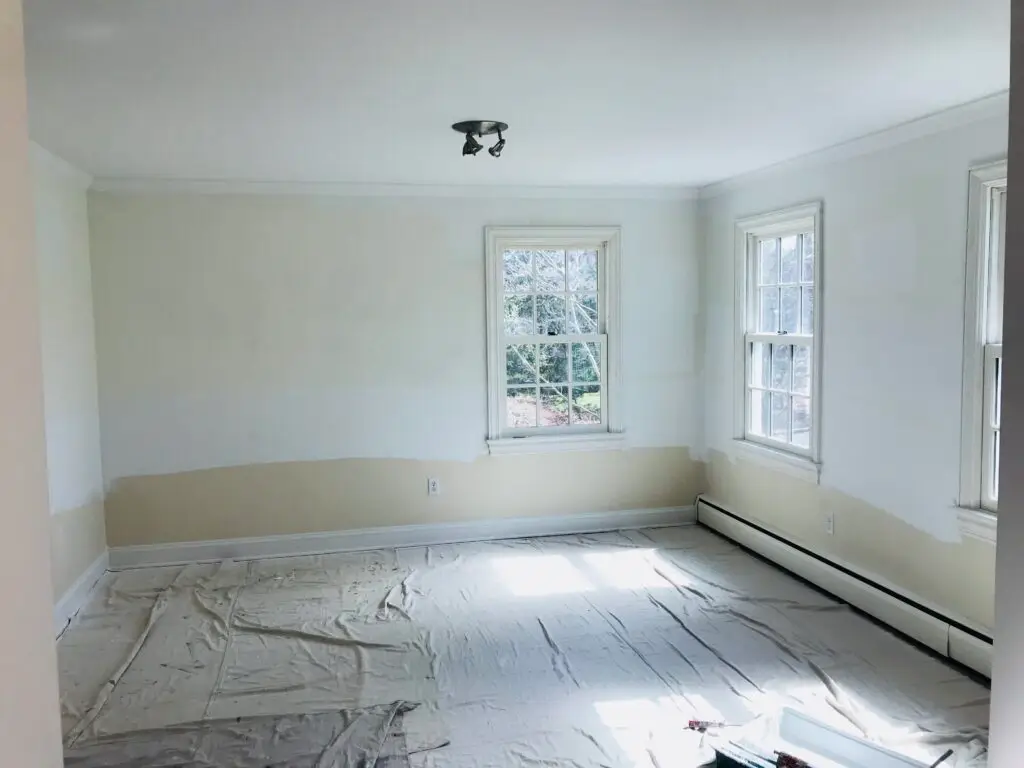
To tape and cover windows before painting a house, start by cleaning the window frame, applying painter’s tape along the edges, and covering the glass with plastic or masking paper. Properly protecting windows prevents paint splatter, reduces cleanup time, and helps achieve a clean professional paint finish.
Why You Should Tape and Cover Windows Before Painting
Preparation is the hallmark of a high-quality paint job. While it may seem time-consuming, protecting your windows is far more efficient than cleaning them later.
Prevent paint splatter on glass
Even the most careful painters deal with microscopic mist, especially when using sprayers. Paint bonds quickly to glass, and removing dried droplets often requires scraping, which risks scratching the surface.
Protect window frames and seals
Window tracks and rubber seals are difficult to clean. If paint gets into these moving parts, it can cause the window to stick or degrade the weatherstripping over time.
Speed up cleanup after painting
When windows are properly “masked” (covered), cleanup is as simple as peeling away the tape and plastic. This allows the crew to focus on the final inspection rather than hours of tedious scrubbing.
Tools and Materials Needed
To protect your windows like a pro, you will need the following supplies:
- Painter’s tape: Look for multi-surface medium adhesion (usually blue) or delicate surface tape (purple) if the frames were recently painted.
- Masking film or plastic sheeting: Pre-taped masking film is a favorite among professionals for its ease of use.
- Drop cloths: Essential for protecting the window sills and the ground beneath the window.
- Utility knife or scissors: For clean cuts and ensuring the tape fits perfectly into corners.
Masking Film vs Plastic Sheeting
Choosing the right covering depends on the size of the project and the application method.
Advantages of masking film
Masking film is thin, lightweight, and often comes with a static charge that helps it “cling” to the glass. It is usually sold in rolls that can be used with a hand-held masker, making the process incredibly fast.
Advantages of plastic sheeting
Heavy-duty plastic sheeting is better for long-term projects or areas exposed to high winds during exterior painting. It is more durable and less likely to tear if brushed against by ladders or tools.
Which option professional painters prefer
Most pros use high-density masking film for interior work and windows. However, for large exterior spray jobs, they often combine film with heavy-duty paper or thicker plastic to ensure zero penetration.
Window Scrapers and Cleaning Before Taping
Tape will not stick to a dirty surface. Proper adhesion is the only way to get those “razor-sharp” paint lines.
Removing dust and debris
Use a dry brush or vacuum to remove cobwebs and loose dirt from the window tracks and frames. If you tape over dust, the paint will bleed under the tape.
Cleaning window frames properly
Wipe the frames with a damp microfiber cloth and a mild detergent. If there is oily residue or old wax, a quick wipe with denatured alcohol ensures the tape bonds perfectly. Important: Allow the frames to dry completely before applying tape.
Step-by-Step: How to Tape and Cover Windows Before Painting
1. Clean window frames before taping
Ensure the surface is dry and free of debris. This is the most skipped step, but it is the most important for preventing paint bleeds.
2. Apply painter’s tape along window edges
Apply the tape in short sections (about 12 inches at a time). Press the tape down firmly with your fingers or a putty knife to seal the edge. Do not stretch the tape, as it may “snap back” and lift over time.
3. Seal tape gaps and corners
Use a utility knife to trim the tape perfectly into the corners. Ensure there are no gaps where the vertical and horizontal pieces of tape meet.
How to Cover Windows for Protection
Applying masking film
Once the perimeter is taped, pull the masking film across the glass. If you are using a hand-masker, the tape and film are applied simultaneously. If not, tape the film to the “primary” layer of tape you already applied to the frame.
Securing edges against wind
For exterior projects, add a second layer of tape over the plastic edges to prevent the wind from catching the “sails” and ripping the protection off mid-job.
Covering screens and window sills
Whenever possible, remove window screens entirely and store them in a safe place. Cover the sills with heavy-duty drop cloths or “Rosalyn” paper to protect against drips.
Common Mistakes When Covering Windows Before Painting
- Using the wrong type of tape: Using standard “masking tape” (tan) instead of painter’s tape can leave a sticky residue that is nearly impossible to remove.
- Leaving tape on too long: Most painter’s tapes are rated for 14 to 60 days. Leaving it longer, especially in direct sunlight, can bake the adhesive onto the frame.
- Painting during high humidity: Moisture can cause the tape to lose its grip and sag, exposing the window to paint.
How Professional Painters Protect Windows
Preparation for exterior house painting
Pros often use a “double-masking” technique where the entire window unit is covered in plastic, and then the edges are re-taped to ensure a perfect seal against high-pressure sprayers.
Spray painting protection techniques
When spraying, professionals use a “shield” (a large piece of cardboard or metal) in one hand while spraying with the other to provide an extra layer of protection near window gables.
Professional masking tools
Tools like the 3M Hand-Masker M3000 allow painters to apply tape and film in one continuous motion, saving hours of labor on large residential projects.
FAQ: Covering Windows Before Painting
Can you paint around windows without taping?
It is possible for highly skilled pros with a steady hand (“cutting in”), but for most projects, especially exterior ones, taping is the only way to guarantee a clean result.
What tape should I use when painting near windows?
A high-quality blue painter’s tape with medium adhesion is best for most vinyl or wood window frames.
When should painter’s tape be removed?
Remove the tape while the paint is still “tack-dry” (not fully cured) to prevent the paint from peeling off with the tape. If the paint is already dry, score the edge lightly with a utility knife before pulling.
How do painters prevent paint from getting on windows?
They use a combination of precise “cutting in” with high-quality brushes and extensive masking with plastic film and professional-grade tape.
Is plastic or paper better for covering windows?
Plastic (masking film) is better for windows because it allows light into the house while you work. Paper is better for floors because it absorbs drips rather than letting them puddle.