
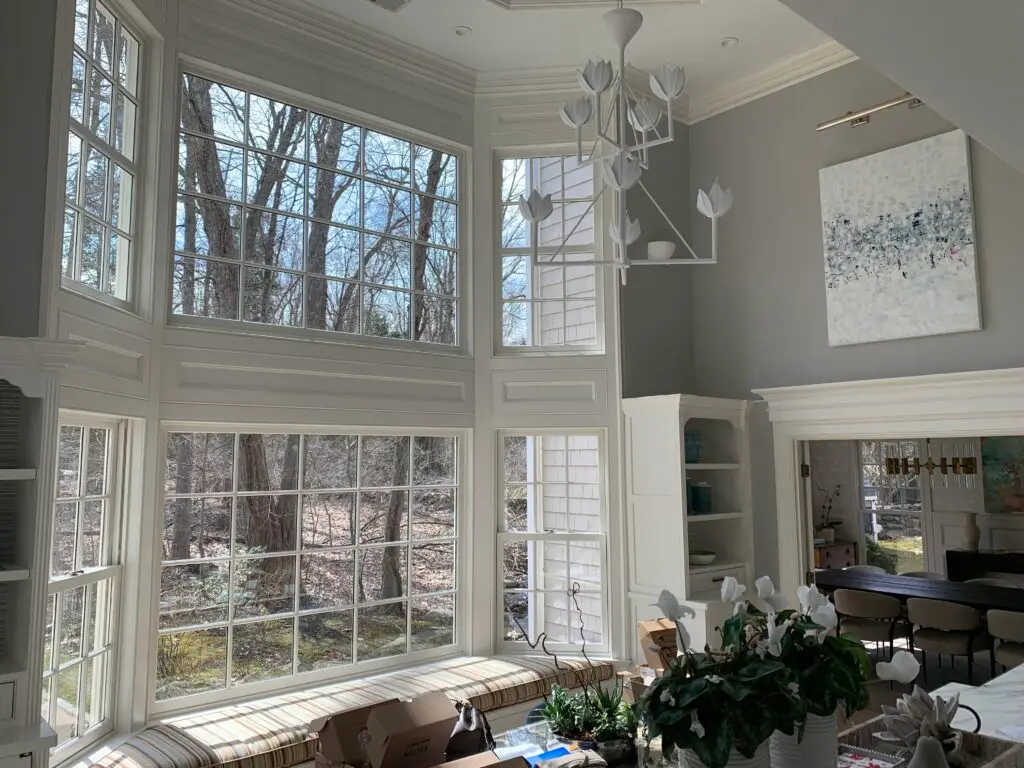
Neutral colors are the unsung heroes of interior design. They provide a versatile backdrop that can create a serene atmosphere or allow bolder decor elements to shine. But choosing the “perfect” neutral is more nuanced than it seems.
What are neutral colors?
Neutral colors are typically defined as hues that lack strong color. This usually includes shades of white, beige, gray, greige (a mix of gray and beige), tan, and taupe. However, the definition can extend to very soft, muted versions of other colors, like an extremely pale green or a barely-there blue, as long as they function as a backdrop rather than a focal point. Their appeal lies in their ability to create a sense of calm, spaciousness, and timelessness.
Understanding undertones & Light Reflective Value (LRV)
The secret to successful neutral painting lies in understanding two key concepts:
- Undertones: This is the subtle hint of color that peeks through a neutral shade. Neutrals are rarely pure; they have hidden colors that can drastically change their appearance.
- Warm undertones: (e.g., yellow, orange, red, pink) make a neutral feel cozier and more inviting. Think creamy whites or beiges with a hint of gold.
- Cool undertones: (e.g., blue, green, purple) make a neutral feel fresher and more contemporary. Think grays with a touch of blue or greens.
- Greige is popular because it balances warm (beige) and cool (gray) undertones, making it highly versatile.
- Light Reflective Value (LRV): This is a number, typically ranging from 0 (absolute black) to 100 (absolute white), that indicates how much light a color reflects.
- Higher LRV numbers mean a paint color will reflect more light, making a room feel brighter and more expansive.
- Lower LRV numbers mean a paint color will absorb more light, making a room feel cozier and potentially smaller.
How natural light affects neutrals
Natural light is the most significant factor influencing how a neutral paint color appears in your home. The direction your windows face will impact the quality and warmth of the light throughout the day.
North vs south vs east vs west facing spaces
- North-facing rooms: Tend to receive cooler, indirect, and somewhat muted light throughout the day. Neutrals with warm undertones (creamy whites, beiges, warm grays) can help balance this and prevent the room from feeling too cold or dull.
- South-facing rooms: Bathed in abundant, bright, and warm light all day. Most neutrals work well here, but you can lean into cooler undertones (grays with blue or green hints) to temper the warmth, or embrace warm neutrals for an even cozier feel.
- East-facing rooms: Get bright, warm light in the morning, which shifts to cooler, shadier light in the afternoon. Neutrals that can adapt to both warm and cool conditions, or those with a slight warmth, often perform well.
- West-facing rooms: Receive cooler, shadier light in the morning, which transitions to intense, warm, and often golden light in the afternoon and evening. Neutrals with cool undertones can beautifully balance the afternoon warmth, while warm neutrals will amplify it.
Popular neutral picks from top brands
Here are a few perennially popular neutral paint colors, known for their versatility:
Sherwin-Williams (Repose Gray, Accessible Beige)
- Repose Gray SW 7015: A true greige, balancing warm and cool undertones. It can look more gray in cooler light and more beige in warmer light, making it highly adaptable. LRV: 58.
- Accessible Beige SW 7036: A warm, inviting beige with slight gray undertones, making it less yellow than traditional beiges. It’s a fantastic choice for creating a cozy, earthy feel. LRV: 58.
Benjamin Moore (Manchester Tan, Pale Oak)
- Manchester Tan HC-81: A classic, sophisticated beige with subtle green-gray undertones that prevent it from being too yellow. It’s a versatile warm neutral. LRV: 64.
- Pale Oak OC-20: A soft, ethereal off-white/greige with warm, subtle pink-beige undertones. It creates a light, airy, and inviting atmosphere without feeling stark. LRV: 69.
Matching neutrals with décor & textures
Neutrals excel when paired with rich textures and varying materials.
- Contrast is Key: Use contrast to add interest. A warm neutral wall can be complemented by cool-toned fabrics or metal accents.
- Layer Textures: Think linen, wool, wood, stone, and metallics. These add depth and warmth to a neutral palette.
- Pop of Color: Neutrals provide the perfect canvas for vibrant accent colors in furniture, artwork, or decorative objects.
Neutral strategies for small rooms & resale value
- Small Rooms: High LRV neutrals (lighter whites, very pale grays) can make a small room feel larger and more open by maximizing light reflection. Painting walls and trim the same light neutral can also create a seamless, expansive feel.
- Resale Value: Neutrals are a homeowner’s best friend when selling a property. They appeal to a wide range of tastes, allowing prospective buyers to easily envision their own furnishings and style in the space, often leading to quicker sales.
Sampling tips & painting full rooms
- Large Swatches: Don’t rely on tiny paint chips. Buy sample pots and paint large swatches (at least 2×2 feet) on several walls in the room. Observe them throughout the day and in different lighting conditions.
- Compare: Place swatches next to existing trim, flooring, and furniture to see how the undertones interact.
Choosing the perfect neutral can be overwhelming. Our experts at Anderson’s Painting can help you navigate undertones, LRV, and lighting to select a neutral that truly enhances your space. We offer color consultation services to ensure your vision comes to life beautifully.