
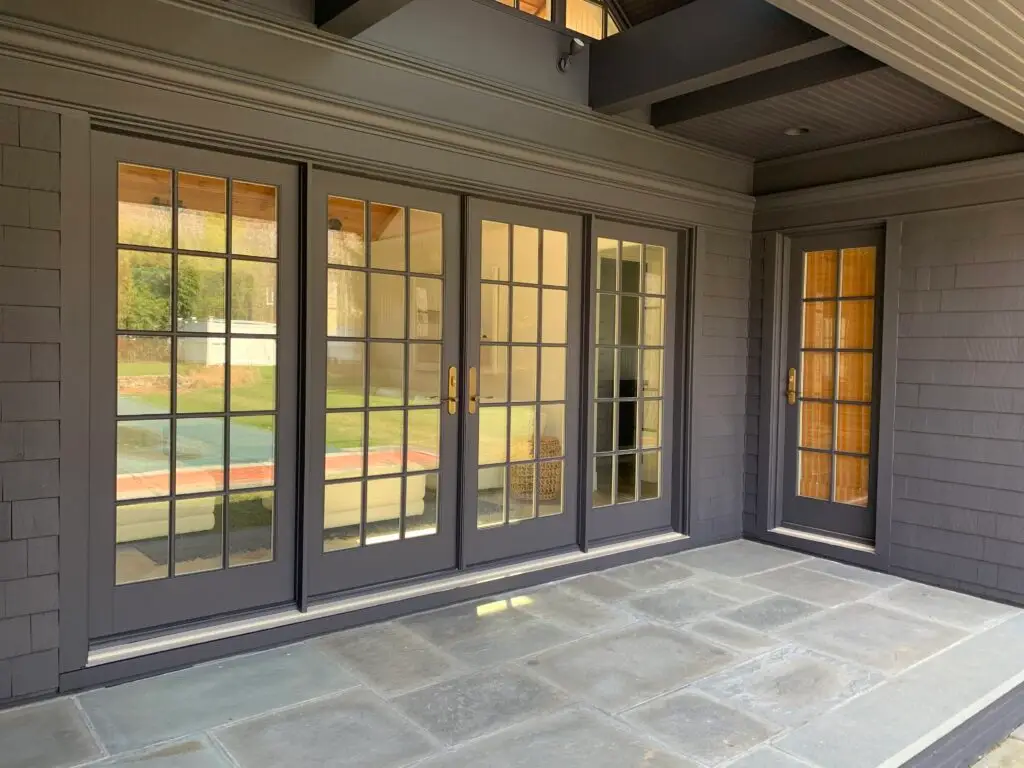
While painting a concrete porch can refresh its look, sometimes the existing paint wears down, peels, or simply doesn’t match your evolving aesthetic. Removing old paint from concrete is a more intensive process than applying a new coat, requiring careful consideration to avoid damaging the concrete itself. Whether you’re dealing with stubborn, peeling layers or preparing for a new finish, learning how to remove paint from a concrete porch safely and effectively is crucial for a successful transformation.
Should you use chemicals or mechanical tools?
The choice between chemical removers and mechanical tools depends largely on the type of paint, the condition of the concrete, and the scale of the project. Often, a combination of both is required for the best results.
- Chemical Paint Removers:
- Pros: Can soften multiple layers of paint simultaneously, making them easier to scrape away. Less physically demanding than extensive scraping. Ideal for intricate areas or when you want to avoid harsh physical abrasion on the concrete.
- Cons: Can be expensive. Requires careful handling due to potential toxicity and fumes (always check product safety data sheets). Needs proper disposal of chemical waste and dissolved paint. May require multiple applications for very thick or stubborn paint. Can be messy.
- Best For: Older, brittle paints, multiple layers of paint, or when mechanical methods risk damaging the concrete.
- Mechanical Tools:
- Pros: Environmentally friendlier (no harsh chemicals). Effective for localized peeling or smaller areas. Good for preparing the surface for new coatings.
- Cons: Can be very labor-intensive and physically demanding. Risk of damaging or scoring the concrete if not used carefully. Generates significant dust and debris. Not ideal for large areas of fully adhered paint.
- Best For: Spot removal, preparing the surface after chemical treatment, or full removal on smaller porches with loose, flaking paint.
Hybrid Approach (Most Common): For many projects, applying a chemical stripper to loosen the bulk of the paint, followed by power washing and/or scraping to remove the residue and achieve a clean surface, is the most efficient and effective method.
Best paint removers for outdoor concrete
Choosing the right chemical stripper is vital. Look for products specifically designed for concrete and outdoor use.
- Citrus-Based Paint Strippers:
- Pros: Generally less toxic, biodegradable, and emit fewer harsh fumes compared to traditional chemical removers. Safer for the user and environment.
- Cons: Can be slower-acting and may require longer dwell times or multiple applications for very stubborn paint.
- Best For: Environmentally conscious users, sensitive areas, and those who prioritize safety over speed.
- Methylene Chloride-Free Strippers:
- Pros: Effective at removing various paint types without the highly hazardous chemical methylene chloride (which is increasingly regulated or banned due to health risks).
- Cons: Still require proper ventilation and personal protective equipment. May contain other strong solvents.
- Best For: Strong paint removal without the most dangerous chemical, but still requires caution.
- Caustic Strippers (e.g., Lye/Sodium Hydroxide-based):
- Pros: Very effective at dissolving latex and oil-based paints.
- Cons: Highly corrosive. Extremely dangerous to skin and eyes. Requires extensive safety gear, careful handling, and neutralization after use. Can darken or damage some concrete.
- Best For: Professional use on very specific, extremely tough paint types, and generally not recommended for DIY homeowners due to safety risks.
Always read the product label carefully to ensure it’s suitable for your type of paint (latex, oil-based, epoxy) and for concrete.
Power washing vs. Scraping techniques
These mechanical methods are key for physically removing loosened paint.
- Power Washing:
- Technique: After chemical stripper has softened the paint (or for loose, flaking paint), use a high-pressure washer (1500-3000 PSI, with a 15-25 degree tip) to blast away paint. Hold the wand at an angle and keep it moving to avoid damaging the concrete.
- Pros: Fast and efficient for large areas. Helps remove loose paint and chemical residue quickly.
- Cons: Can damage concrete if pressure is too high or concentrated. Requires proper technique to avoid streaking. Can create a lot of splash-back and mess.
- Best For: Final rinse after chemical stripping, or removing large areas of already peeling paint.
- Scraping:
- Technique: Use a long-handled floor scraper or a hand scraper with a sharp blade. Apply firm, even pressure to push loosened paint off the concrete. Work in small sections.
- Pros: Good for detailed areas, edges, and removing thick, soft paint. Provides tactile feedback, reducing risk of concrete damage.
- Cons: Labor-intensive. Can be slow for large areas. Dull blades are ineffective.
- Best For: Removing chemically softened paint, spot removal, or cleaning up after power washing.
- Grinding/Sanding (for very stubborn spots/professional use):
- Technique: A concrete grinder with appropriate diamond grinding cups can remove very stubborn paint or surface imperfections. Orbital sanders with coarse grit can also be used for small areas.
- Pros: Highly effective for tough paint and smoothing concrete.
- Cons: Requires specialized equipment (often rented). Generates a lot of dust (requires dust collection). Can easily damage concrete if not used by an experienced hand.
- Best For: Professional use, or for very small, localized, extremely tough paint spots where other methods fail.
Step-by-step paint removal process
Follow these steps for a systematic and safe paint removal.
- Safety First: This is non-negotiable. Wear appropriate personal protective equipment (PPE): chemical-resistant gloves, safety glasses or goggles, long sleeves and pants, closed-toe shoes. Use a respirator for chemical fumes or significant dust.
- Prepare the Area:
- Remove all furniture, plants, and anything else from the porch.
- Protect adjacent areas (walls, landscaping, doors) with plastic sheeting and painter’s tape to shield them from stripper or paint residue.
- Ensure good ventilation if using chemical strippers (open windows, use fans).
- Apply Chemical Paint Remover:
- Read the product instructions thoroughly.
- Apply the stripper generously and evenly over a manageable section of the painted porch using a brush, roller, or sprayer as directed by the product.
- Allow the stripper to dwell for the recommended time (this can range from 15 minutes to several hours, or even overnight for tough paint). The paint should start to wrinkle, bubble, or soften.
- Scrape Away Softened Paint:
- Once the paint is soft, use a long-handled floor scraper or hand scraper to gently push and lift the softened paint and stripper residue. Collect the removed material in a designated waste container (check local regulations for proper disposal of chemical-laden waste).
- Avoid digging into the concrete.
- Rinse Thoroughly (and Neutralize if Needed):
- After scraping, rinse the area thoroughly with a garden hose or power washer (on a low setting).
- If your stripper requires neutralization (common with caustic strippers), apply the neutralizing solution (often a mix of baking soda and water) and scrub before a final rinse. This stops the chemical reaction and prevents residue.
- Repeat as Necessary: For multiple layers or very stubborn paint, you may need to repeat the application, scraping, and rinsing process until all paint is removed.
- Final Cleaning and Drying:
- After all paint is removed, give the entire porch a final, thorough cleaning with a stiff brush and mild detergent, followed by a complete rinse.
- Allow the concrete to dry completely before any refinishing. This can take several days, depending on humidity. Use the plastic sheet test (tape a 1 ft×1 ft plastic sheet to the concrete; if condensation forms underneath after 24 hours, it’s still too wet).
How to refinish after removing paint
Once the old paint is gone, your porch is a blank slate ready for a new look and protection.
- Inspect the Concrete: Examine the bare concrete for any remaining stains, minor damage, or areas that need further cleaning or light etching. Address these before proceeding.
- Consider Etching (Again): Even if the concrete was etched previously, it’s often a good idea to perform a light acid etch again on the bare concrete. This ensures the surface is perfectly clean, free of any residual chemicals, and has the optimal profile for new paint or stain adhesion. Rinse and dry thoroughly as before.
- Choose Your New Finish:
- Painting: If repainting, select a high-quality exterior concrete paint (acrylic latex or epoxy, specifically designed for outdoor concrete). Remember to use a compatible primer for optimal adhesion.
- Staining: If you prefer a more natural look, opt for a concrete stain (acid stain or water-based stain) to achieve translucent color effects.
- Sealing: For both painted and stained surfaces, a clear concrete sealer is crucial for protection against UV, water, and abrasion, and to extend the life of your finish.
- Repair Cracks/Spalls: Before applying any new finish, repair any cracks or spalled areas in the concrete using an appropriate concrete patch or caulk.
- Apply New Finish: Follow the manufacturer’s specific instructions for your chosen paint, stain, primer, and sealer, paying close attention to application techniques, drying times between coats, and full curing times.
- Add Slip Resistance: For safety, especially on porches that can get wet, always consider incorporating a non-slip additive into the final coat of paint or sealer.
- Long-Term Maintenance: Regularly clean your refinished porch with mild soap and water. Reapply sealer as needed (typically every 1-3 years for unpainted/unstained concrete, or every 2-5 years for painted/stained surfaces, depending on wear and product).
Check it out: Solid stain vs Paint: Which is better for your home?
Removing old paint from a concrete porch is a demanding task, but with patience, the right tools, and meticulous execution, you can successfully restore your porch’s appearance and prepare it for a fresh, durable finish that enhances your home’s curb appeal.
Is removing old paint from your concrete porch proving to be a tough job? Anderson’s Painting specializes in comprehensive exterior concrete solutions, from expert paint removal and surface preparation to flawless application of new paints, stains, and sealers. Let our experienced team handle the hard work for a durable and beautiful porch transformation. Contact us today for a free consultation!