
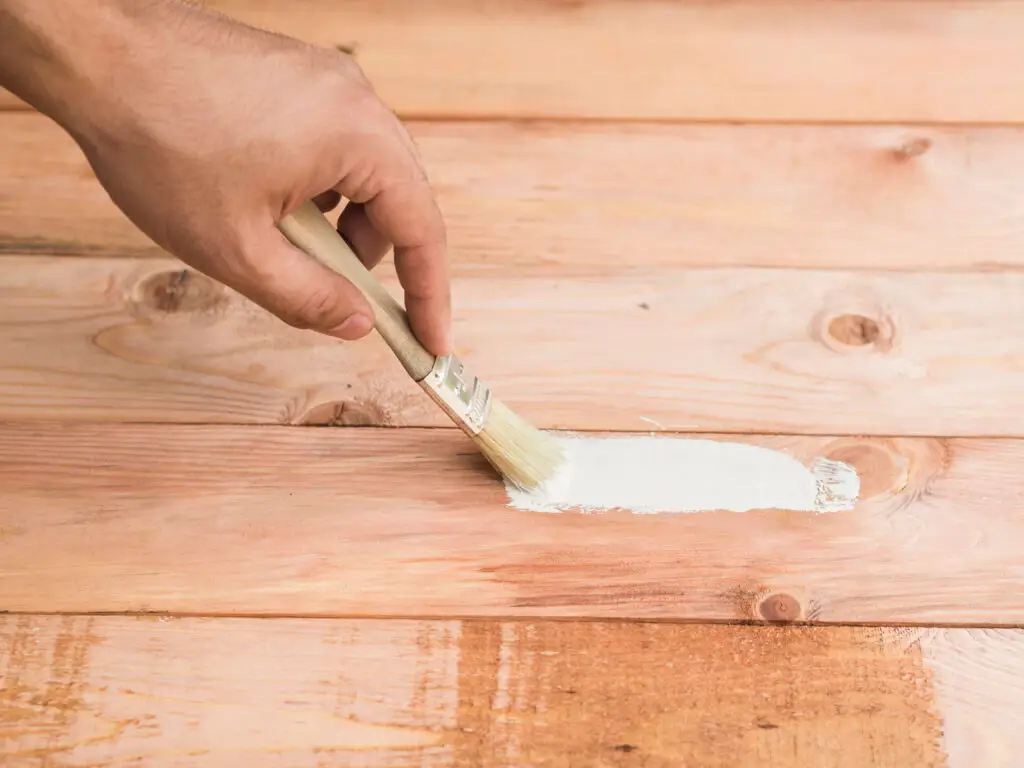
Accidents happen, and a few drops or even a spill of paint on a beautiful hardwood floor can be a frustrating sight. Fortunately, with the right approach, you can remove paint without damaging the wood’s finish. The key is to act quickly and use the gentlest method first.
Identifying the Paint Type
Before you start, figure out what kind of paint you’re dealing with. This will determine the best and safest removal method.
Water-Based vs. Oil-Based Paint
- Water-based (Latex) Paint: This is the most common type of paint for walls. It’s usually easy to remove because it’s soft and water-soluble.
- Oil-based Paint: This type of paint creates a much harder, more durable finish. It is more difficult to remove and requires a stronger solvent.
Spot vs. Large Spill
A small paint drip is much easier to tackle than a large puddle or an entire painted floor. Always use the least aggressive method possible for the size of the mess.
Tools & Materials for Paint Removal
Having the right tools is essential to get the job done without scratching or gouging your floors.
Plastic Scraper, Putty Knife
A plastic scraper is your best friend for removing dried paint spots as it is less likely to scratch the wood. A metal putty knife can be used, but with extreme caution.
Heat Gun, Sanding Tools
For larger, stubborn spots, a heat gun can soften the paint, making it easier to scrape off. For the final touch-ups, fine-grit sandpaper is used to smooth the area.
Natural Solutions (Vinegar, Denatured Alcohol)
You can often avoid harsh chemicals by using natural solutions. White vinegar works well on water-based paint, while denatured alcohol is effective for oil-based paint.
Step-by-Step Paint Removal Methods
Removing Fresh Paint
If the paint is still wet, blot it immediately with a paper towel or a clean cloth. Do not rub, as this will spread the stain. If a stain remains, use a damp cloth with a little dish soap.
Removing Dried Paint Spots
- Start with the Easiest Method: For water-based paint, dampen a cloth with warm water and a bit of dish soap and let it sit on the spot to soften it. For oil-based paint, use a cloth dampened with mineral spirits.
- Scrape Gently: Once the paint has softened, gently scrape it away with a plastic scraper. Be patient and work slowly.
- Use a Stronger Solution: If the paint is very stubborn, use a cloth dampened with denatured alcohol for oil-based paint or a paste of baking soda and water for water-based paint. Let the solution sit for a few minutes before scraping.
Dealing with Large Painted Areas
This is a job for a professional. A large area that has been completely painted over often requires sanding and refinishing the entire floor, which is a specialized skill.
Protecting Hardwood While Cleaning
Your goal is to remove the paint, not the finish.
Avoiding Scratches
Always use a plastic scraper before a metal one. For a putty knife, wrap the tip in a microfiber cloth or masking tape to minimize the risk of scratching.
Testing Cleaners in Small Areas
Before using any cleaning solution on a visible area, test it in an inconspicuous spot, like a closet or under a rug. This ensures it won’t damage your floor’s finish.
Preventing Future Accidents
An ounce of prevention is worth a pound of cure.
Using Drop Cloths
Always cover your floors completely with canvas or heavy-duty plastic drop cloths during any painting project. Tape them down to prevent slipping or shifting.
Immediate Cleanup Tips
Keep a few damp rags on hand while you paint. That way, you can immediately wipe up any drips or splatters before they have a chance to dry.
For larger paint removal projects or expert advice on restoring your floors, contact Anderson’s Painting today for a free consultation.