
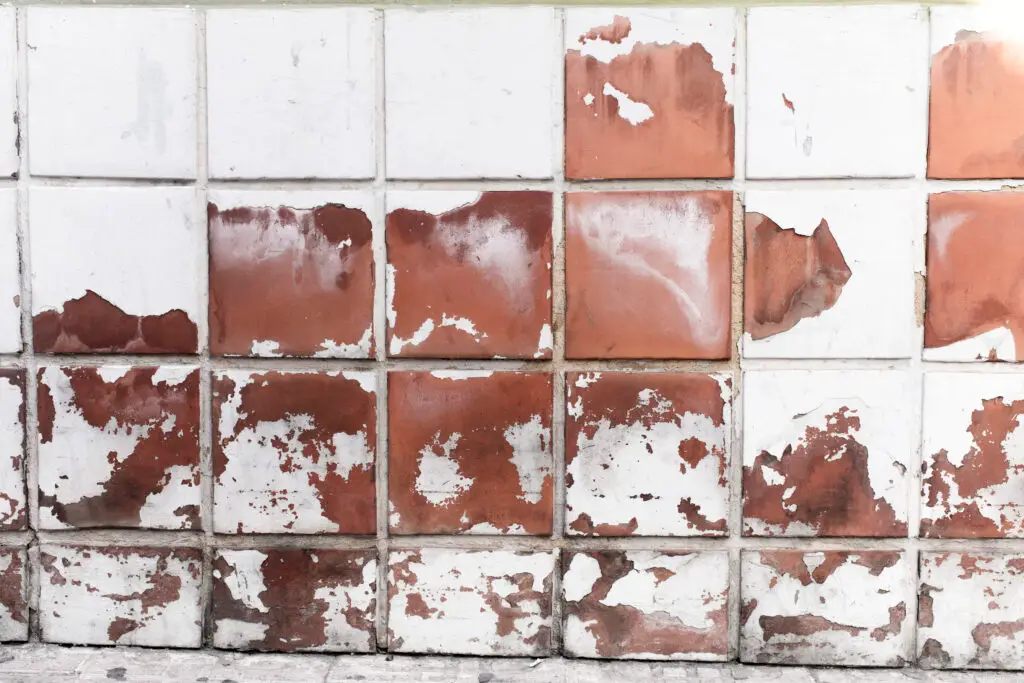
Whether you’ve just finished a DIY room renovation and noticed some stray splatters, or you’ve moved into a home where a previous owner painted over beautiful ceramic work, knowing how to strip paint without damaging the underlying surface is essential. Removing paint from tile is a delicate balance of chemical dissolution and careful mechanical action.
Quick Answer: The Method Depends on the Paint Type
The success of your removal project hinges on identifying whether you are dealing with water-based or oil-based paint. Because tile is non-porous, the paint doesn’t “soak in,” but it does form a mechanical bond that can be quite stubborn once fully cured.
Why latex and oil-based paints behave differently
- Latex (Water-based): Most modern interior paints in the U.S. are latex. They stay flexible and usually sit on top of the tile like a skin. These are generally easier to remove with heat or mild solvents.
- Oil-based: Frequently used for trim or in older homes, oil-based paints cure into a hard, brittle shell. These require stronger chemical intervention to break the bond with the tile’s glaze.
How to Remove Fresh Paint From Tile
If the paint is still wet or tacky, time is your best friend. Act immediately to prevent the polymer chains from cross-linking and hardening.
Warm Water and Mild Detergents
For latex paint, a simple mixture of warm water and a few drops of dish soap is often enough. Use a soft microfiber cloth to blot—not rub—the area. Rubbing can spread the pigment into the grout lines, which are porous and much harder to clean.
Plastic Scrapers
For thicker globs of fresh paint, avoid using your fingernails or metal tools. A plastic putty knife or even the edge of a credit card can safely lift the paint away from the smooth glaze without leaving scratches. Always scrape toward the center of the spill to contain the mess.
Removing Dried Paint From Tile
Once paint has dried for more than 24 hours, “washing” it away is no longer an option. You will need to soften the paint film before attempting removal.
Rubbing Alcohol or Acetone (When Safe)
- Isopropyl Alcohol (Rubbing Alcohol): This is highly effective at softening dried latex paint. Soak a cotton ball, hold it against the paint for 30 seconds, and then wipe.
- Acetone: A stronger solvent that works well on oil-based splatters. Warning: Acetone can damage some synthetic tiles or sealants. Always test a small, inconspicuous area first and ensure the room is well-ventilated, as per OSHA and EPA safety guidelines.
Commercial Paint Removers for Tile
For large areas of painted tile (such as a whole floor), look for “Citrus-based” or “Soy-based” paint strippers. These are common in U.S. hardware stores and are much safer for indoor use than old-fashioned methylene chloride strippers.
- Apply the gel-based remover to the tile.
- Cover it with plastic wrap to keep it from drying out.
- Let it sit for the duration specified by the manufacturer (usually 30–60 minutes).
- Gently lift the softened “sludge” with a plastic scraper.
What to Avoid
Metal Scrapers
While a razor blade can be used on glass, using metal scrapers on ceramic or porcelain tile is risky. Metal can leave “gray marks” (metal transfer) on the tile that are nearly impossible to remove, or it can chip the decorative glaze, permanently ruining the tile’s appearance.
Harsh Abrasives
Steel wool, wire brushes, and scouring powders with high grit should be avoided. These can create microscopic scratches in the tile surface. While the tile may look clean initially, these scratches will catch dirt and grime over time, making the floor look perpetually dirty.
FAQs
Can paint remover damage tile?
Most ceramic and porcelain tiles are chemically resistant, but the grout and sealers are not. Harsh chemicals can eat away at the grout or strip the protective sealer off the tile surface. Always rinse the area thoroughly with clean water after using any chemical remover.
How do I remove paint from grout?
Grout is porous, meaning it acts like a sponge for paint. If a solvent doesn’t work, you may need to use a stiff-bristled nylon brush with a specialized grout cleaner. In extreme cases, you may need to use a grout saw to remove a thin layer of the colored grout and then re-grout the area to match.
Should I hire a professional?
If you are dealing with high-value handmade tiles, natural stone (like marble or slate which are very sensitive to acids and solvents), or a very large square footage, hiring a professional tile cleaning service is recommended. They have industrial steam cleaners and pH-neutral strippers that protect your investment.
Struggling with a messy post-renovation cleanup? Contact Anderson’s Painting today for professional tile restoration and cleaning services!