
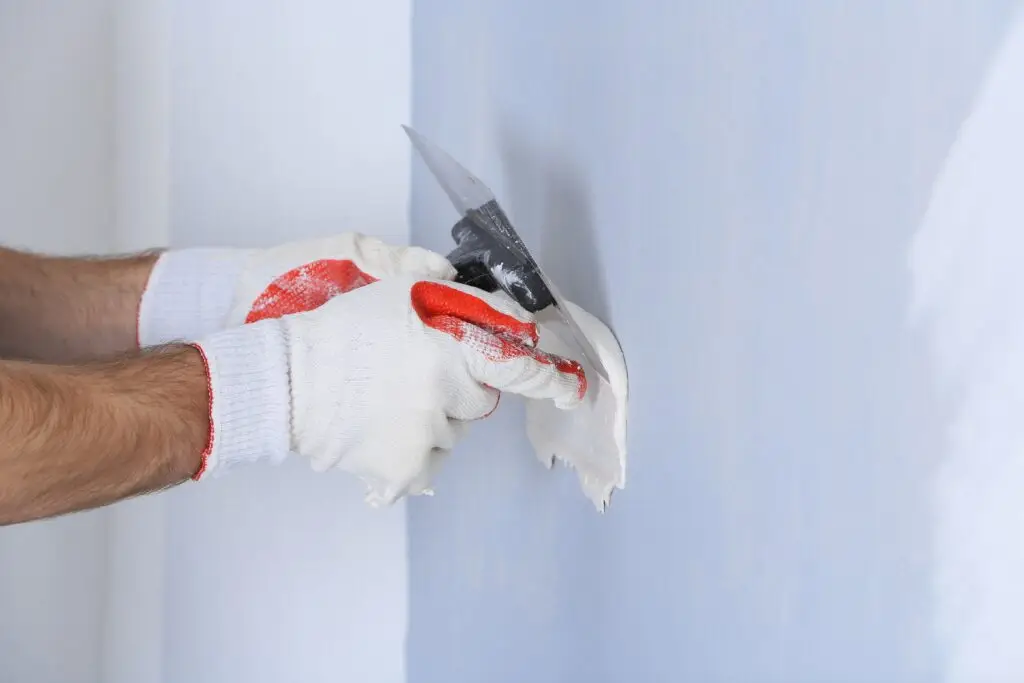
The texture on your walls is one of the most overlooked design elements, yet it dramatically influences how light, shadow, and color behave in your home. While textured walls were once the standard for hiding imperfections, the trend in 2026 is moving toward smooth drywall—a finish that offers a clean, architectural, and high-end aesthetic.
What Is Smooth Drywall?
Smooth drywall is a wall surface that is sanded and finished to be perfectly flat, with no patterns or textures.
- Smooth vs. Textured: Textured walls (like “orange peel”) use a spray-on bumpy finish to mask minor imperfections. Smooth walls require a higher level of craftsmanship because there is nowhere for flaws to hide.
- Level 4 vs. Level 5 Finish:
- Level 4: The standard for most homes, involving three coats of joint compound over tape. It is usually sufficient for textured walls.
- Level 5: The gold standard for smooth walls. It involves a final “skim coat” of thin compound over the entire wall surface to create a uniform, non-porous finish. This is essential for preventing “flashing”—where light hits the wall and highlights the different textures of the paper versus the joint compound.
Where Smooth Drywall Works Best
- Modern Interiors: The hallmark of contemporary design is minimalism. Smooth walls provide the clean, sharp lines that define modern architecture.
- Bedrooms and Living Rooms: In spaces designed for relaxation, a smooth finish offers a serene, “less-is-more” feel.
- High-End Remodels: If you are investing in luxury lighting, smooth walls are a must; light grazing across a smooth wall looks elegant, while grazing across texture can look chaotic.
- Accent Walls: If you plan on using wallpaper or high-gloss paint, smooth walls are required to achieve a professional result.
Pros and Cons of Smooth Drywall
| Pros | Cons |
| Clean Modern Look: Creates a sophisticated, timeless aesthetic. | Shows Imperfections: Even the smallest dent or ripple will be visible. |
| Easier to Paint: No texture to fill or “skip” with a roller. | Higher Skill Requirement: Requires an expert drywall finisher. |
| Versatile: Works perfectly with wallpaper or high-gloss finishes. | Cost: Increased labor time for mudding and sanding. |
How Smooth Drywall Is Finished
Achieving a smooth finish is a multi-step process that demands patience:
- Taping and Mudding: Taping joints between drywall boards and applying multiple layers of compound.
- Skim Coating: A thin, overall layer of mud is applied to the entire surface to ensure the texture of the drywall paper and the mud are identical.
- Sanding and Priming: The wall is sanded to perfection. High-build primer is then applied to seal the surface, which is critical for a smooth final coat of paint.
Smooth Drywall vs. Orange Peel and Knockdown
- Appearance: Orange peel and knockdown are designed to mask minor flaws; smooth drywall highlights the architecture.
- Maintenance: Smooth walls are easier to wipe clean, whereas textured walls can collect dust in the tiny peaks and valleys.
- Repair: Texture is actually easier to hide a patch in because you can re-spray to match the texture. A patch in a smooth wall requires a skilled hand to blend perfectly.
- Cost: Texture is faster and cheaper to apply. Smooth drywall is a premium finish that reflects higher labor costs.
Should You Choose Smooth Drywall for Your Home?
Choose Smooth if: You appreciate modern design, your home has great natural light that you want to highlight, or you plan to use high-quality interior paints.
Stick to Texture if: Your home is older, the walls have many pre-existing repairs, you are on a tight budget, or you have high-traffic areas where wall dings are common and hard to avoid.
FAQ
Is smooth drywall more expensive?
Yes. Achieving a smooth, Level 5 finish requires significantly more labor and skill than applying a spray texture, which drives up the cost of a project.
What level of drywall finish is smooth?
For the highest-quality smooth finish, a Level 5 finish is necessary. It ensures the wall is perfectly uniform before painting.
Is smooth drywall hard to maintain?
Maintenance is actually easier because smooth walls are easier to wipe down. However, they are less forgiving if a piece of furniture bumps into them—a dent on a smooth wall is more visible than one on a textured wall.
Can textured walls be made smooth?
Yes, but it is an intensive process. You must either skim-coat the entire room with a thin layer of compound or—in extreme cases—hang a new layer of 1/4-inch drywall over the existing wall to create a blank canvas.
Does smooth drywall increase home value?
It is considered a premium upgrade. In luxury and modern markets, smooth walls are often expected and can certainly enhance the perceived value of a remodel.
Is your home ready for a modern upgrade?
At Anderson’s Painting, we understand that a beautiful paint job starts with the perfect surface. Whether you are aiming for a luxurious smooth finish or need a expert repair on your existing walls, our team has the skill to ensure a flawless outcome.
Contact Anderson’s Painting today to discuss your vision and get a professional estimate!