
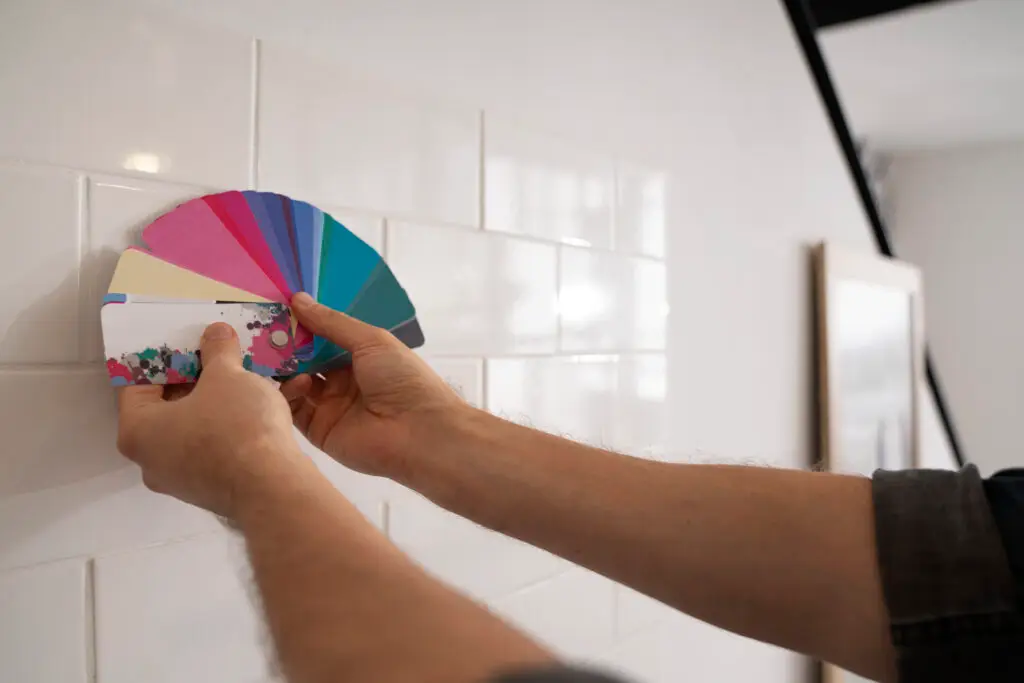
Using spray paint to refresh tiles is a tempting “quick fix” for homeowners looking to bypass the labor of traditional brushing and rolling. While it offers a smooth, factory-like finish without brush marks, applying aerosol-based paint to a non-porous surface like ceramic or porcelain presents a unique set of technical hurdles.
Quick Answer: Spray Paint Can Work on Tile—With Proper Prep
Spray paint can be used on tiles, but it is not a “point and shoot” solution. Because aerosol paints are often thinner than their canned counterparts, they lack the inherent body to stick to glazed surfaces on their own. Success depends entirely on a two-stage chemical bond: a high-performance bonding primer and a multi-coat application of specialized enamel or epoxy-based spray.
Why Adhesion is the Biggest Challenge
Most consumer-grade spray paints are designed for porous surfaces like wood or etched metal. Ceramic tile glaze is essentially a layer of liquid glass fired at over 2,000°F. This creates a surface that is chemically inert and physically slick. Without a dedicated “anchor” provided by mechanical sanding and chemical priming, the spray paint will form a brittle film that can be easily scratched or peeled off with a fingernail.
Best Situations for Spray Painting Tile
Spray painting is best reserved for projects where precision and a smooth aesthetic are more important than heavy-duty durability.
Decorative Tiles
If you have a decorative border or a tile-topped side table that doesn’t see much action, spray paint is an excellent choice. It allows you to achieve metallic finishes (like gold, copper, or hammered bronze) that are difficult to replicate with a brush.
Small Accent Areas
Spray painting is ideal for individual “accent” tiles within a backsplash. By masking off the surrounding grout and tiles, you can change the color of specific tiles to create a pattern or update a dated floral motif.
Temporary or Low-Traffic Surfaces
In a rental property or a home staged for sale, spray paint can provide a visual update for fireplace surrounds or dry laundry room walls. Because these areas aren’t subjected to constant moisture or scrubbing, the finish can remain vibrant for several years.
Step-by-Step Prep for Spray Painting Tile
To prevent the paint from failing, you must follow a rigorous preparation protocol common in the professional painting industry.
1. Cleaning and Degreasing
The presence of even a single fingerprint can cause spray paint to “fish-eye” or fail to bond.
- The Process: Scrub the tile with a heavy-duty cleaner such as Trisodium Phosphate (TSP) or a high-strength degreaser.
- The Goal: Remove all soap scum, mineral deposits, and kitchen grease that accumulate in the pores of the grout and on the tile face.
2. Light Sanding or Etching
You must create a “profile” on the tile.
- The Process: Use 220-grit or 320-grit silicon carbide sandpaper to lightly scuff the glaze. You don’t need to remove the color; you just need to turn the high-gloss shine into a matte finish.
- Alternative: For very hard porcelain, a chemical etching solution may be necessary to create enough “tooth” for the primer.
3. Using a Bonding Primer
Skip the “Paint + Primer in One” aerosol cans. For tile, you need a dedicated high-adhesion primer.
- Recommendation: Use a spray primer specifically labeled as a “Bonding Primer” or “Stain Blocker.” These are often shellac-based or high-solids solvent-based formulas that can grip glass-like surfaces.
Limitations of Spray Paint on Tile
Moisture and Heat Exposure
Most aerosol paints are not “submersible.” This means they cannot withstand the constant water pressure and steam found inside a shower stall. Over time, moisture will get behind the paint film, causing it to bubble. Similarly, while spray paint can handle moderate warmth, it should not be used on the interior firebox of a fireplace.
Durability Concerns
Spray paint films are significantly thinner than those applied by brush or roller. This makes them more prone to chipping if hit by a heavy pot or scratched by a vacuum cleaner. It is generally not recommended for floor tiles in high-traffic hallways or entryways.
FAQs
Will spray paint peel off tile?
If applied directly to a glossy, un-prepped tile, yes—it will peel within weeks. However, if the tile is deglossed (sanded) and a bonding primer is used, the paint can remain intact for years in dry environments.
Can spray paint be sealed on tile?
Yes. To increase the lifespan of your project, you can apply a clear acrylic or polyurethane topcoat (also available in spray cans) after the color coat has fully dried. This provides an extra layer of protection against scratches and UV fading.
Is spray paint good for bathroom tile?
It is acceptable for bathroom walls that are away from the shower (like the area behind the vanity). It is not recommended for the interior of the shower, the bathtub, or the bathroom floor due to the high probability of moisture-related failure.
Get a Professional, Long-Lasting Finish
Spray painting tile is a delicate process that requires perfect conditions and professional-grade equipment to avoid runs, drips, and peeling. If you want a durable, beautiful transformation for your kitchen or bathroom, let the pros handle the hard work.
Contact Anderson’s Painting today for a Free Estimate on your Tile Refinishing project!