
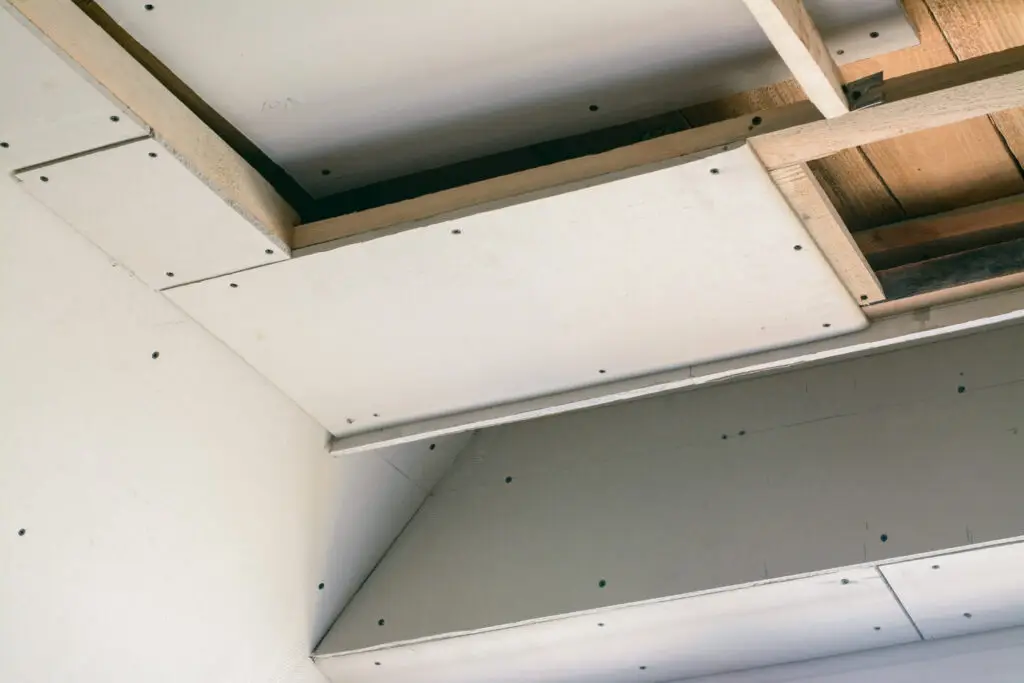
Drywall is a fundamental building material used in most modern homes. Understanding the different types available is crucial for any painting or remodeling project, ensuring you use the right material for the right application.
What Is Drywall and Why It Matters
Drywall, also known as sheetrock or gypsum board, is a panel made of gypsum plaster pressed between two sheets of paper. It’s used to create interior walls and ceilings. Choosing the right type of drywall is key for a successful project, as different types offer varying levels of resistance to moisture, fire, or sound.
Basic Composition
The core of drywall is gypsum, a soft mineral. This material is fire-resistant and easy to work with, which is why it has replaced older wall materials like plaster in most construction.
Common Uses in Construction
Drywall is used for everything from building new interior walls and ceilings to repairing damage and creating architectural features.
Standard Drywall
This is the most common type of drywall and is used for general-purpose applications in living rooms, bedrooms, and hallways.
Thickness Options
- 1/4 inch: Lightweight and flexible, best for curved walls or as a top layer for an existing surface.
- 1/2 inch: The standard thickness for most wall and ceiling applications.
- 5/8 inch: Thicker and more durable, offering better fire resistance and soundproofing. It’s often used for garages or between rooms for extra durability.
Best Uses
Standard drywall is great for most residential spaces where moisture and fire resistance are not primary concerns.
Specialty Drywall Types
These are designed for specific environments where extra protection is needed.
Moisture-Resistant Drywall
This type has a special paper backing that resists moisture and is a better choice for humid areas. It’s often called “green board” due to its green paper color. It’s ideal for use in bathrooms, laundry rooms, and kitchens.
Mold-Resistant Drywall
Similar to moisture-resistant drywall, mold-resistant drywall contains special additives in its core and paper that prevent the growth of mold. This is a great choice for basements or any area prone to high humidity.
Fire-Rated Drywall
Also known as “Type X,” this drywall contains glass fibers in its core that increase its fire resistance. It’s required in garages, apartment buildings, and sometimes between floors.
Soundproof Drywall
This specialty drywall is designed to reduce noise transmission between rooms. It’s heavier than standard drywall and made of multiple layers to absorb sound waves. It’s perfect for home theaters, home offices, or bedrooms.
Choosing the Right Drywall for Each Room
- Kitchens & Bathrooms: Opt for moisture-resistant drywall to prevent mold and mildew growth in these humid environments.
- Basements & Garages: Fire-rated drywall is a must for garages. In basements, mold-resistant drywall is a smart choice due to the potential for moisture.
- Living Spaces: Standard drywall is perfectly suitable for most living areas.
Cost & Installation Considerations
While specialty drywall costs more than standard drywall, the added benefits are often worth the price. Installation methods are similar for all types, but the extra weight of some varieties like Type X or soundproof drywall may require more careful handling.
For professional advice on which drywall is best for your project or to have it installed and painted by experts, contact Anderson’s Painting today for a free consultation.