
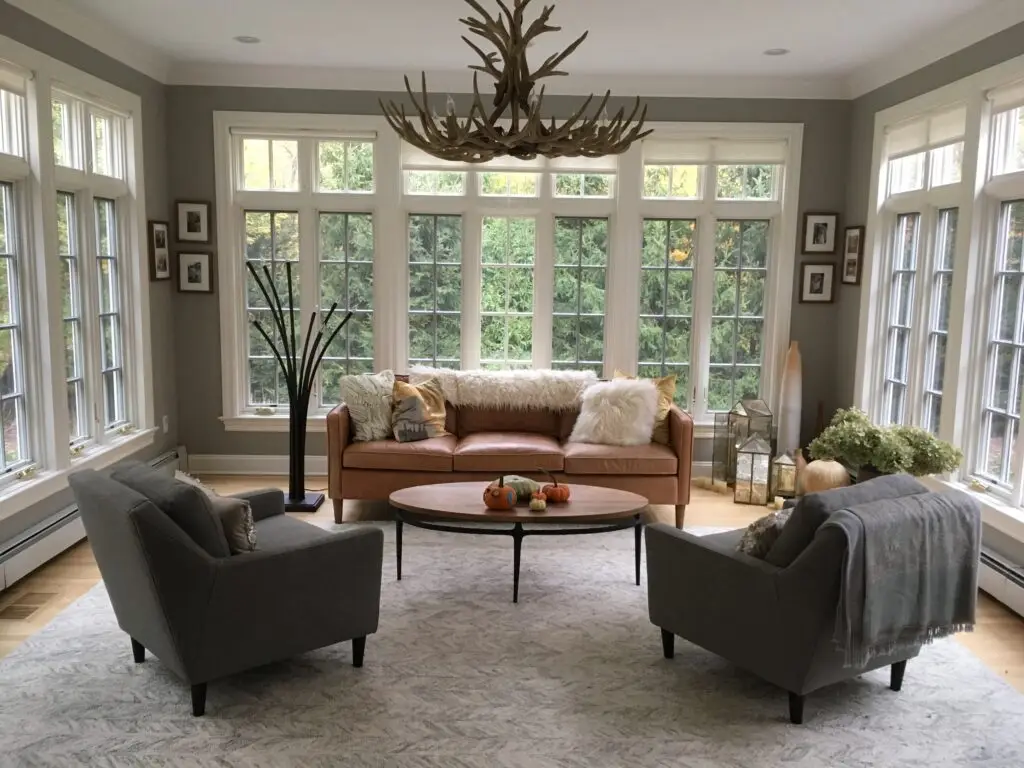
Selecting the best interior paint is essential for achieving a professional finish that lasts. The ideal paint must balance aesthetic appeal with practical performance, including coverage, durability, and resistance to everyday wear and tear. For walls in most American homes, the clear choice is premium acrylic latex paint.
What Makes a Good Interior Wall Paint?
A high-quality interior wall paint is defined by three core performance characteristics that directly influence both the application process and the long-term appearance of the finish.
Durability
Durability refers to the paint’s ability to withstand rubbing, scratching, and general contact without being damaged. Higher-quality paints contain a greater percentage of solid binding agents (resins, polymers) that harden upon drying, creating a tougher, more resilient film. This is crucial for high-traffic areas like hallways and children’s rooms, where scuffs are common.
Coverage
Coverage is the paint’s ability to obscure the previous color or the wall surface in as few coats as possible. Good coverage means high pigment density and a better ratio of solids. Poor coverage wastes time and money, as it often necessitates three or more coats instead of the standard two. A paint with excellent “hide” is particularly important when switching from dark colors to light colors.
Washability
Washability is the paint’s capacity to be cleaned using water and mild detergent without the color rubbing off or the finish being damaged. This characteristic is directly tied to the paint’s finish (sheen) and durability. Higher sheens (satin and semi-gloss) generally offer better washability than flat or eggshell finishes because the surface is smoother and less porous, making stains easier to wipe away.
Best Paint Types for Walls
While there are many formulations, acrylic latex dominates the residential interior market due to its ease of use, longevity, and low toxicity.
Acrylic Latex (Most Popular)
Acrylic latex paint is water-based, making it the overwhelming favorite for interior residential walls.
- Pros: Dries quickly, easy to clean up with water, flexible (resists cracking better than oil-based paint), and generally has a low odor. Modern acrylic formulas offer exceptional adhesion and durability.
- Best For: All general wall surfaces, including living rooms, bedrooms, and dining areas.
Zero-VOC and Low-Odor Paints
Volatile Organic Compounds (VOCs) are chemical solvents released as paint dries, contributing to the “new paint smell” and potentially affecting indoor air quality.
- Zero-VOC: These paints contain less than 5 grams of VOCs per liter. They are ideal for households with children, pets, or individuals with chemical sensitivities or respiratory issues.
- Low-Odor: While the smell is reduced, it’s important to note that low-odor does not always mean low-VOC. Always check the label if chemical content is a concern.
- Best For: Nurseries, home offices, and bedrooms where quick occupancy after painting is desired.
High-Performance Washable Paints
These are premium acrylic latex formulations engineered specifically for maximum resistance and cleanability, sometimes marketed as “scrubbable” or “ceramic-enhanced” paint.
- Key Feature: They use advanced resins that create an ultra-hard, non-porous film, allowing dried stains (even markers or crayons) to be wiped away without damaging the finish.
- Best For: Kitchens, busy hallways, mudrooms, and children’s playrooms.
Choosing the Right Finish
The paint finish, or sheen, determines the final look of the color, how much light it reflects, and its performance in terms of durability and washability.
Flat for Ceilings & Low-Traffic Rooms
A flat finish absorbs light rather than reflecting it. This lack of reflection is key to its functionality.
- Characteristics: Virtually no shine, matte texture.
- Pros: Hides surface imperfections (patching, scuffs) exceptionally well.
- Cons: Least durable and least washable.
- Best For: Ceilings (to hide drywall seams and defects) and formal dining rooms or guest bedrooms where walls are rarely touched.
Eggshell for Living Rooms & Dining Areas
Eggshell offers the appearance of a flat finish but with slightly enhanced performance. It has a very low sheen, reminiscent of an eggshell.
- Characteristics: Subtle, low luster.
- Pros: Provides much better durability and washability than flat paint while still hiding most minor wall defects. It is the most common finish for main living spaces.
- Best For: Living rooms, family rooms, and primary bedrooms.
Satin for Hallways
Satin paint is often considered the ideal balance between beauty and resilience for busy areas. It has a slightly higher sheen than eggshell.
- Characteristics: Smooth, velvety sheen.
- Pros: Highly durable and easy to clean, resisting fading and moisture better than lower sheens.
- Cons: Shows some minor wall imperfections under direct light.
- Best For: Hallways, stairwells, and children’s bedrooms.
Semi-Gloss for Kitchens & Bathrooms
Semi-gloss has a distinctly high luster and is the most durable of the common interior finishes.
- Characteristics: High, reflective shine.
- Pros: Maximum resistance to moisture, grease, and steam. Extremely scrubbable and durable.
- Cons: Highlights every wall imperfection, requiring near-perfect wall preparation.
- Best For: Kitchens, bathrooms, trim, and doors, where high moisture and cleaning frequency are unavoidable.
When to Use Primer
Primer is a foundational coating applied before the topcoat paint. It ensures proper adhesion, blocks stains, and improves the final color saturation. While some high-end paints are “self-priming” for minor repaints, dedicated primer is often required for the best results.
Painting Over Dark Colors
If you are transitioning from a deep color (e.g., navy, burgundy, forest green) to a pale color (e.g., light gray, white), a tinted primer is essential. The primer should be tinted toward the final color to provide a uniform base coat, dramatically reducing the number of topcoats needed and ensuring the new color is not distorted by the residual dark pigment.
Stains or High-Humidity Walls
For surfaces affected by water stains, smoke damage, or heavy grease, a specialized stain-blocking primer (often shellac- or oil-based) is necessary. Water-based paint alone will not block these stains, which will bleed through the new finish. In bathrooms prone to mildew, a moisture- and mildew-resistant primer is highly recommended.
Bare Drywall
Unpainted, bare drywall is highly porous and will absorb paint unevenly, leading to a patchy, inconsistent finish. A dedicated drywall primer-sealer must be used to seal the surface, creating an even, non-porous base that allows the topcoat to adhere and cure uniformly.
FAQs About Interior Wall Paint
“Is expensive paint worth it?”
Generally, yes. The difference between budget-grade paint ($20/gallon) and premium-grade paint ($60-$80/gallon) often comes down to the percentage of solids (pigments and binders). More expensive paint offers:
- Better Coverage: Requiring only two coats instead of three or four.
- Superior Durability: The finish lasts longer and resists scratches.
- Smoother Application: Better leveling and less splatter, leading to a better-looking job.
The time and labor saved by requiring fewer coats often makes the premium paint the more cost-effective choice overall.
“How many coats do walls need?”
For professional results, standard interior walls typically require two full coats of topcoat paint.
- Exceptions:
- One coat might suffice if you are using a premium paint and painting the same exact color over an existing well-maintained surface.
- Three or more coats may be necessary when making a drastic color change (dark to light) without using a tinted primer.
“What paint is easiest to clean?”
The easiest paint to clean is typically a high-quality semi-gloss or satin acrylic latex. These sheens have a tight, hardened surface that resists moisture and provides a durable barrier against stains. For areas requiring constant cleaning, such as kitchen backsplashes or the walls behind a stove, semi-gloss is the most practical choice.
Ready to choose the right products for your project?
Explore our curated selection of high-performance acrylic latex paints and primers, or request a consultation for expert material recommendations tailored to your home’s needs.