
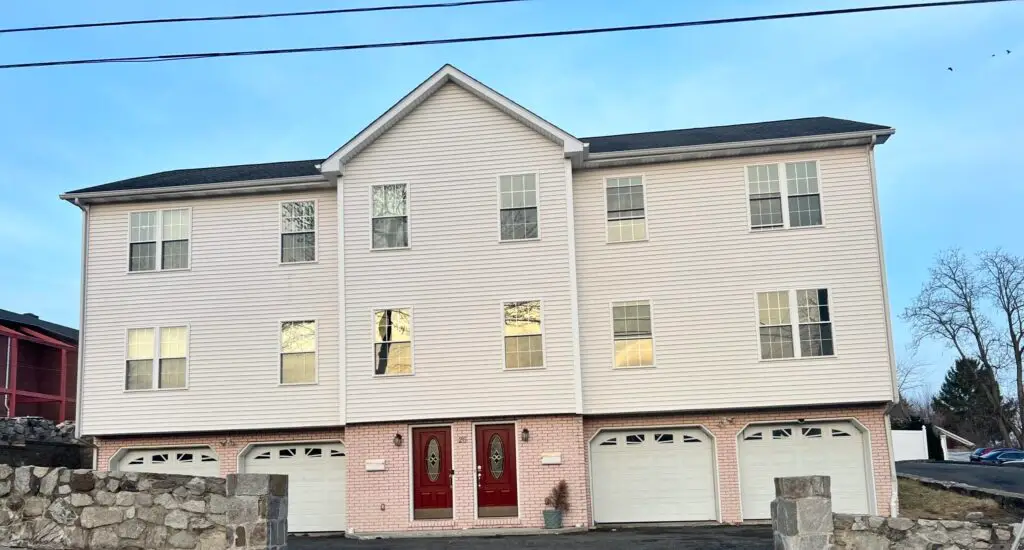
The exterior of a commercial building is more than just a facade; it’s a vital part of a business’s brand identity, curb appeal, and protective shell. A well-maintained and freshly painted exterior signals professionalism, invites customers, and shields the structure from the elements. For business owners and property managers in the U.S., understanding the intricacies of commercial building exterior painting from product selection to professional execution is key to a successful investment.
Why quality exterior paint matters for businesses
Investing in high-quality exterior paint for a commercial building yields numerous benefits beyond mere aesthetics:
- First Impressions & Brand Image: The exterior is often the first thing clients, customers, and potential tenants see. A fresh, clean, and appealing paint job projects professionalism, reliability, and attention to detail, directly impacting a business’s image.
- Property Value & Tenant Attraction: A well-maintained exterior increases property value and makes the building more attractive to prospective tenants or buyers, reducing vacancy rates.
- Protection Against Elements: Exterior paint acts as a crucial barrier against harsh U.S. weather conditions – UV radiation, rain, snow, wind, and temperature fluctuations. It prevents moisture intrusion, deterring mold, mildew, and rot, and protecting the structural integrity of the building.
- Durability & Longevity: High-quality commercial-grade paints are formulated for superior durability, resisting fading, chipping, peeling, and chalking, which means the paint job lasts longer and requires less frequent repainting.
- Energy Efficiency (Certain Coatings): Lighter-colored or reflective coatings can help reduce heat absorption, potentially lowering cooling costs in warmer climates.
- Pest Deterrence: A sealed and well-maintained exterior leaves fewer entry points for pests.
Choosing the right coating systems
Commercial buildings face unique demands, requiring robust coating systems tailored to their specific needs and substrates.
Acrylic vs. Elastomeric vs. Epoxy
- Acrylic Coatings (100% Acrylic Latex):
- Pros: Highly versatile, excellent color retention, good breathability, flexible (resists cracking), and widely available in a vast array of colors. Easy to apply and clean up. Cost-effective.
- Cons: Not as thick or flexible as elastomeric, less chemical resistance than epoxy.
- Best For: Most general commercial exteriors, including stucco, masonry, concrete, and primed wood or metal. Excellent all-around choice for a balance of performance and value.
- Elastomeric Coatings:
- Pros: Extremely flexible and thick (often 5-10 times thicker than standard paint). Designed to bridge and seal hairline cracks, preventing water intrusion. Excellent waterproofing capabilities.
- Cons: More expensive than acrylic, limited color palette, can sometimes trap moisture if applied incorrectly or if substrate is already wet.
- Best For: Buildings with recurring hairline cracks, stucco or masonry structures prone to moisture issues, or in areas with significant temperature fluctuations.
- Epoxy Coatings:
- Pros: Unmatched durability, exceptional abrasion resistance, and superior chemical resistance. Creates a hard, tough film.
- Cons: Less flexible than acrylic or elastomeric, can be brittle, may yellow with UV exposure (requires UV-resistant topcoat for exterior use), often two-part and more complex to apply. More expensive.
- Best For: High-traffic areas, foundations, industrial applications, or specific areas requiring extreme durability and chemical spill resistance, though less common for entire building exteriors unless specifically formulated for such.
Check it out: 6 tips for painting a commercial metal building
Surface prep: Pressure washing, repairs, priming
The longevity and appearance of a commercial paint job are 90% dependent on preparation. Skimping on prep is the fastest way to premature paint failure.
- Thorough Cleaning (Pressure Washing): The entire exterior must be power washed to remove all dirt, grime, loose paint, chalking, mold, mildew, and pollutants. This creates a clean, sound surface for adhesion.
- Repairs & Restoration:
- Patching: All cracks, holes, and surface imperfections in stucco, masonry, or drywall must be properly patched and repaired.
- Scraping & Sanding: All peeling, bubbling, or flaking paint must be thoroughly scraped, sanded, or removed. Edges should be feathered smooth.
- Caulking: Inspect and recaulk all windows, doors, and expansion joints to prevent moisture intrusion.
- Wood/Metal Repair: Replace rotted wood, treat rust on metal, or perform any necessary substrate repairs.
- Priming: A high-quality commercial-grade primer is essential.
- Purpose: Ensures superior adhesion of the topcoat, seals porous surfaces (like new stucco or concrete), blocks stains (e.g., from water damage or tannins in wood), and provides a uniform base for color.
- Types: Specific primers for masonry, metal, wood, or stain-blocking are chosen based on the substrate.
Check it out: How to paint a commercial metal door?
Scheduling, weather, and safety protocols
Commercial painting projects require meticulous planning.
- Scheduling: Work with the painting contractor to schedule painting during off-peak hours (nights, weekends) or during slower business periods to minimize disruption to operations and customers. Phased painting can also be an option.
- Weather Conditions: Exterior painting is highly weather-dependent. Temperature, humidity, wind, and precipitation forecasts must be monitored. Most paints have specific application temperature ranges. Avoiding extreme heat or cold and ensuring sufficient drying time is critical.
- Safety Protocols: Commercial projects demand stringent safety measures:
- OSHA Compliance: Adherence to all Occupational Safety and Health Administration (OSHA) regulations.
- Scaffolding/Lifts: Proper erection and use of scaffolding, lifts, or ladders with trained personnel.
- Containment: Using drop cloths, plastic sheeting, and wind barriers to protect surrounding areas, vehicles, and landscaping from paint splatter.
- Signage: Clearly posting “Wet Paint” and “Work Area” signs to ensure public and employee safety.
- Lead Paint/Asbestos: If dealing with older buildings, proper testing and certified abatement procedures are essential if lead paint or asbestos are present.
Hiring Professionals vs. DIY feasibility
For commercial painting, DIY is rarely a feasible or advisable option.
- Hiring Professionals:
- Expertise: Commercial painters have specialized knowledge of building materials, coating systems, and application techniques for large-scale projects.
- Efficiency: They have the workforce, equipment (lifts, sprayers), and project management skills to complete jobs quickly and efficiently, minimizing business disruption.
- Safety: Adhere to strict safety protocols, reducing liability for the business owner.
- Quality & Warranty: Deliver a high-quality, durable finish, often backed by a warranty.
- Insurance: Professionals are insured, protecting you from potential damages or accidents.
- DIY Feasibility:
- Cost Savings? Any perceived upfront savings are quickly offset by the cost of equipment rental (lifts, sprayers), material waste, potential safety hazards, and poor results requiring costly re-do’s.
- Time & Disruption: The project would take significantly longer, causing extended disruption to business operations.
- Safety Risks: High-reach painting, managing heavy equipment, and working with commercial-grade chemicals pose serious risks to untrained individuals.
Given the scale, safety requirements, and desired longevity, hiring a professional commercial painting contractor is almost always the superior choice.
Maintenance plans & repaint cycle
A commercial paint job is an investment that requires ongoing care.
- Routine Cleaning: Regularly pressure wash the building exterior to remove dirt, pollutants, and mildew. This preserves the paint’s appearance and lifespan.
- Periodic Inspection: Annually inspect the paint for signs of wear, fading, chalking, or minor damage. Address small issues promptly to prevent them from escalating.
- Repaint Cycle:
- High-quality commercial acrylic paint can last 7-15 years, depending on climate, exposure, and color intensity.
- Elastomeric coatings can last 10-20+ years due to their thickness and flexibility.
- Factors like extreme weather, harsh sunlight, high pollution, or building movement can shorten the cycle.
- A proactive maintenance plan can extend the life of the paint job and make future repainting simpler and less costly.
Cost factors & ROI analysis
The cost of commercial exterior painting varies significantly based on:
- Building Size & Height: Larger and taller buildings require more materials, labor, and specialized equipment.
- Surface Condition & Prep: Extensive repairs, scraping, or specialized cleaning will increase costs.
- Coating System Chosen: Elastomeric and epoxy coatings are more expensive than standard acrylics.
- Number of Colors: Multiple colors, intricate trim, or complex architectural details add labor.
- Accessibility: Difficult access points, landscaping obstructions, or tight spaces can increase time and cost.
- Regional Labor Rates: Vary by geographic location in the U.S.
- Timing: Off-hours work may incur higher labor costs.
ROI Analysis (Return on Investment): While a significant upfront expense, commercial exterior painting offers a strong ROI through:
- Increased property value.
- Enhanced curb appeal attracting more business/tenants.
- Protection of the building’s structure, preventing costly future repairs.
- Extended lifespan of materials, delaying major renovations.
- Positive perception of the business, leading to more client engagement.
A strategic investment in professional commercial exterior painting is a commitment to a business’s image, longevity, and bottom line.
Is your commercial building ready for a powerful visual upgrade and superior protection? Anderson’s Painting specializes in high-quality commercial exterior painting, delivering exceptional results with minimal disruption. Contact us today for a comprehensive consultation and quote!