
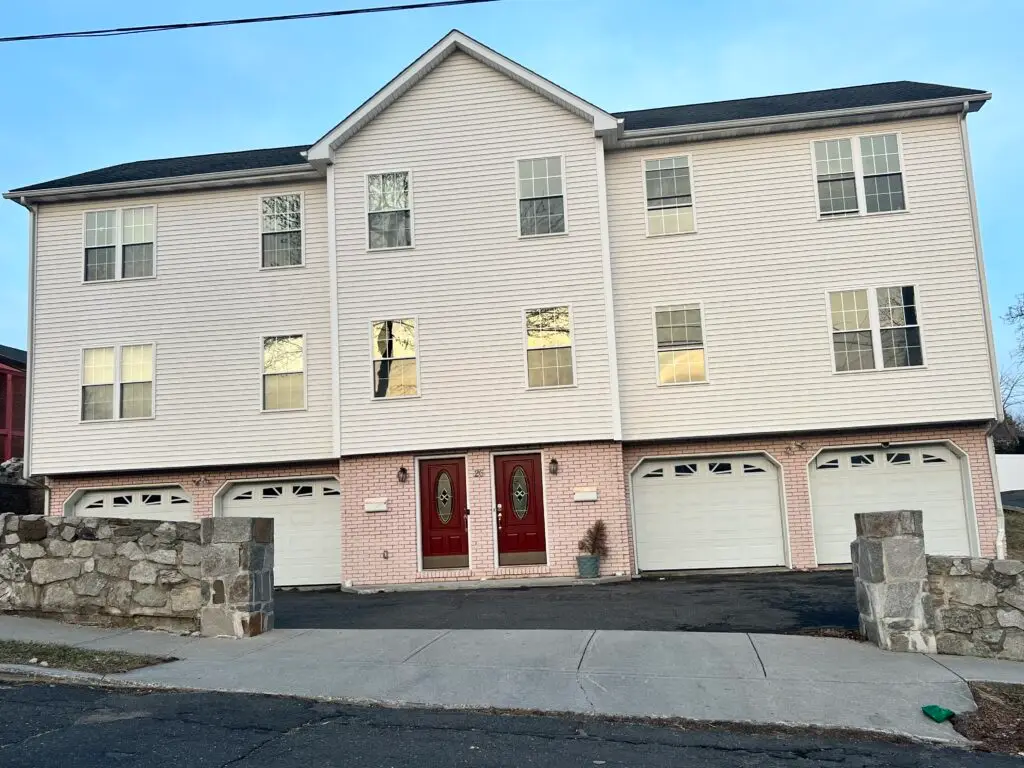
Living in a Homeowners Association (HOA) community offers many benefits, including shared amenities and consistent property values. However, it also comes with rules and regulations, particularly concerning exterior modifications like painting. For homeowners looking to refresh their home’s exterior, understanding HOA-approved painting processes is crucial. Navigating these guidelines correctly ensures your project proceeds smoothly, avoids potential fines, and maintains community harmony.
What is HOA-approved painting?
HOA-approved painting refers to any exterior paint job on a property within an HOA-governed community that complies with the association’s Covenants, Conditions, and Restrictions (CC&Rs) and architectural guidelines. These rules are put in place to maintain a consistent aesthetic, preserve property values, and ensure a cohesive look throughout the neighborhood.
- Architectural Control Committees (ACCs): Most HOAs have an Architectural Control Committee (ACC) or similar body responsible for reviewing and approving all exterior changes, including paint colors, trim, and sometimes even door colors.
- Consistency and Standards: The goal of HOA regulations is to prevent a patchwork appearance in the neighborhood. They often dictate acceptable color palettes, approved finishes, and the overall style that homeowners must adhere to.
- Application Process: “HOA-approved” means that the homeowner has submitted a formal application or request for architectural review, providing details of the proposed paint job (including specific color codes, finishes, and areas to be painted), and has received explicit written approval from the HOA or ACC before any work begins.
- Compliance is Key: Failing to obtain HOA approval or deviating from approved plans can result in fines, forced repainting, or even legal action by the association.
Common HOA color restrictions
Color restrictions are among the most common and stringent HOA rules, designed to maintain a unified community aesthetic.
- Approved Color Palettes: Many HOAs provide a pre-approved list or palette of colors from specific paint manufacturers. Homeowners must choose from these designated options for their main body color, trim, and sometimes accent colors (like front doors or shutters).
- Subtle and Neutral Tones: Most HOAs favor conservative, neutral, and earth-toned colors (e.g., various shades of white, beige, gray, muted blues or greens). This helps ensure properties blend rather than stand out dramatically.
- No Bold or “Loud” Colors: Bright, neon, or highly saturated colors are almost universally prohibited to maintain a subdued and consistent neighborhood appearance.
- Trim and Accent Colors: Restrictions often extend to trim, fascia, soffits, and even front doors. While front doors might have a slightly wider range of approved accent colors, they are still typically limited to specific shades.
- Matching Existing Structures: In some communities, especially those with attached homes or townhouses, you may be required to match the existing paint scheme of adjacent units.
- Review Process: Even if you choose from an approved palette, some HOAs require you to submit your choices for review to ensure they fit within the overall scheme for your specific property.
Check it out: Neutral colors: Picking the perfect paint for any room
How to navigate approval processes
Successfully painting your home in an HOA community requires careful adherence to the association’s specific approval process.
- Obtain the HOA’s Architectural Guidelines: Your first step is to get a copy of your HOA’s CC&Rs and Architectural Guidelines. These documents detail all rules regarding exterior modifications, including paint. Pay close attention to sections on approved colors, materials, and the application process.
- Review Approved Color Palettes: Identify the specific color options available to you. Some HOAs may require you to select from a specific paint brand’s colors.
- Complete the Application/Architectural Review Form: Fill out the necessary forms provided by your HOA. This form will typically ask for:
- Your contact information.
- Proposed paint colors (specific manufacturer name and color code/number for body, trim, and accent colors).
- A drawing or photo of your home with the proposed colors mocked up (some HOAs require this).
- A description of the scope of work.
- Start and end dates for the project.
- Provide Samples (if required): Some HOAs may require physical paint samples to be painted on a discreet section of your home for committee review. This allows them to see the true color in natural light.
- Submit and Wait for Written Approval: Submit your completed application and any required attachments to the HOA office or ACC. It’s crucial to obtain written approval before purchasing any paint or starting any work. Do not rely on verbal approvals. The approval process can take several weeks, so plan accordingly.
- Understand Rejection Reasons: If your application is rejected, the HOA should provide reasons. You may be able to resubmit with modifications or appeal the decision.
- Maintain Communication: If you encounter any issues or need to make minor changes during the project, communicate promptly with the HOA.
Hiring a licensed painting contractor
Even with HOA rules, selecting a qualified painting contractor is essential for a high-quality, long-lasting paint job.
- Verify Licensing and Insurance: Ensure the contractor holds all necessary state and local licenses. Critically, confirm they have current general liability insurance (to cover property damage) and workers’ compensation insurance (to cover worker injuries). Request certificates of insurance directly from their insurer.
- Check References and Reviews: Ask for recent references from other HOA homeowners they’ve worked with. Read online reviews on reputable platforms. Look for contractors with a strong track record of professional work and good communication.
- Get Detailed Bids: Obtain written bids from at least three different contractors. The bid should clearly itemize all costs, include specific paint brands and types, outline surface preparation methods, and detail the scope of work.
- Contract Details: Ensure the contract explicitly states that the work will adhere to all HOA architectural guidelines, including the specific approved paint colors and finishes.
- Experience with Exterior Painting: Confirm they have extensive experience with exterior painting, as it requires different techniques and products than interior work.
- Payment Schedule: Agree on a clear payment schedule, usually a deposit upfront, progress payments, and a final payment upon satisfactory completion. Avoid paying the full amount upfront.
Benefits of working with a pro familiar with HOA rules
Choosing a painting contractor who understands and regularly works within HOA communities offers significant advantages.
- Streamlined Approval Process: Contractors familiar with local HOAs often know the specific architectural guidelines, common restrictions, and the typical approval timelines. They can help you prepare a complete and accurate application, increasing the likelihood of quick approval.
- Correct Color Matching: Experienced HOA painters understand the nuances of color palettes and can help you select approved shades that still achieve your desired aesthetic, often having swatches or portfolios of past HOA-approved projects.
- Knowledge of Specific Requirements: They’ll know if specific paint types (e.g., “vinyl-safe” paints for vinyl siding), sheens, or preparation methods are mandated by the HOA.
- Compliance Assurance: A reputable contractor will ensure all work performed strictly adheres to your HOA’s approved plan, minimizing the risk of fines or disputes later. They can act as an intermediary if questions arise from the HOA during the project.
- Quality Workmanship: Professionals understand that HOA communities often have high standards for exterior appearance. They are more likely to deliver a meticulous job that meets these expectations.
- Avoidance of Fines and Rework: By ensuring compliance from the outset, a knowledgeable contractor helps you avoid costly fines and the headache of having to repaint if the initial job doesn’t meet HOA standards.
- Project Management: They handle all aspects of the painting project, from surface preparation and material sourcing to execution and cleanup, allowing you to relax knowing the project is in capable hands and in compliance with your HOA.
By understanding the intricacies of HOA-approved painting and selecting a contractor well-versed in these rules, homeowners can ensure a smooth, compliant, and beautiful exterior paint transformation.