
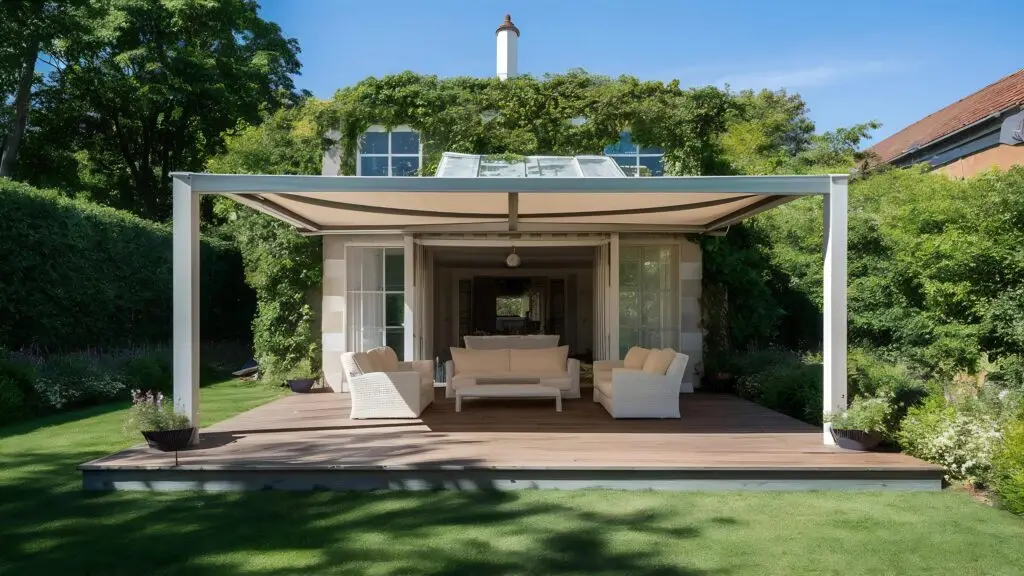
A pergola is more than just a garden structure; it’s a statement piece that defines an outdoor living space, offers shade, and adds architectural interest to your backyard. The color you choose for your pergola can dramatically impact its visual appeal, how it integrates with your landscape, and its ability to complement your home’s exterior. Selecting the perfect pergola paint color is an art that balances personal style with practical considerations for durability and cohesive design.
Should you paint or stain your pergola?
Before diving into color choices, decide whether to paint or stain your pergola. Both offer protection and aesthetic appeal, but they differ significantly in application, maintenance, and finish.
Painting a pergola:
- Pros: Offers a wider range of opaque colors, from crisp whites to bold blues. Provides a thicker protective layer against UV rays and moisture, potentially extending the wood’s life. Easier to clean. Can cover imperfections in the wood.
- Cons: Requires more preparation (sanding, priming). Can chip, peel, or blister over time, necessitating scraping and repainting. Obscures the natural wood grain.
- Best For: Achieving a specific, vibrant color, complementing a modern or formal aesthetic, or for wood that has imperfections you wish to hide.
Staining a pergola:
- Pros: Enhances and allows the natural wood grain to show through (transparent, semi-transparent, and semi-solid stains). Penetrates the wood, offering protection from within, and is less likely to chip or peel. Easier to reapply – often just requires cleaning and re-coating.
- Cons: Limited to wood-tone colors. Less protection against UV rays than opaque paint. May require more frequent reapplication than paint, depending on exposure.
- Best For: Highlighting the natural beauty of the wood, creating a more rustic or natural look, and for easier long-term maintenance.
Recommendation: For most pergolas, especially those exposed to harsh weather, a solid or semi-solid stain often provides the best balance of protection, ease of maintenance, and color variety. If you desire a truly opaque color, high-quality exterior paint is the way to go.
Trending pergola colors for enduring style
While specific color trends evolve, certain palettes remain timeless choices for pergolas, offering versatility and broad appeal.
- Classic White & Off-White:
- Appeal: Crisp, clean, and timeless. White brightens any space, making the pergola feel larger and more open. It provides a striking contrast against lush greenery and complements most home exterior colors.
- Why it Works: Creates a classic Hamptons or cottage garden feel.
- Shades of Gray:
- Appeal: Modern and sophisticated. From light dove gray to deep charcoal, gray offers a neutral backdrop that pairs beautifully with contemporary landscaping and furniture. It can mimic weathered wood for a rustic-chic vibe.
- Why it Works: Blends well with natural stone, concrete, and varied plant life.
- Rich Blacks & Deep Charcoals:
- Appeal: Bold, dramatic, and impactful. A black pergola creates a strong architectural statement, making surrounding greenery pop with vibrancy.
- Why it Works: Ideal for modern or minimalist designs, offering a striking contrast.
- Natural Wood Tones (Stains):
- Appeal: For those who love the organic beauty of wood, transparent to semi-solid stains in cedar, redwood, or deep walnut tones enhance the natural grain while offering protection.
- Why it Works: Creates a warm, inviting, and harmonious connection with nature, suitable for any backyard style.
- Earthy Greens & Blues (Less Common but Impactful):
- Appeal: Soft sage greens or muted blues can help the pergola blend seamlessly into a garden setting, creating a serene and integrated look.
- Why it Works: Best for enhancing a natural, bohemian, or coastal aesthetic.
How to choose colors that match your home exterior
Harmonizing your pergola’s color with your home’s exterior creates a cohesive and visually pleasing outdoor living space.
- Consider Your Home’s Trim Color: This is often the easiest starting point. Painting your pergola the same color as your home’s trim (e.g., white, off-white, or a darker accent color) creates a unified look.
- Match the Roof Color: Especially for darker homes, matching the pergola to the roof color (grays, blacks, browns) can create a sophisticated and grounded aesthetic.
- Complement the Siding/Main Exterior Color:
- Warm Tones (Beiges, Browns, Oranges): Pair with natural wood stains, cream, or darker brown/charcoal pergolas.
- Cool Tones (Grays, Blues, Greens): Pair with crisp white, light gray, or even a deep black pergola for contrast.
- Brick Homes: Natural wood stains or classic white pergolas often complement brick beautifully. Gray can also work for a more modern contrast.
- Think About Contrast: Sometimes, a subtle contrast works best. A white pergola against a dark home provides a beautiful focal point. A dark pergola against a light home creates drama.
- Consider Your Landscape & Hardscape: Take into account your patio material (stone, pavers, concrete) and the dominant colors of your garden. The pergola should complement these elements, not clash.
- Test Swatches: Always test your chosen paint or stain color on a small, inconspicuous piece of wood (or even a small area of the pergola itself if you can) and observe it at different times of day. Colors can look very different in natural light compared to a swatch.
Matte, semi-gloss, or natural finish?
The sheen level of your paint or stain affects durability, appearance, and maintenance.
- Matte/Flat Finish:
- Pros: Offers a soft, non-reflective, natural look. Hides imperfections in the wood surface well. Modern and understated.
- Cons: Can be slightly more difficult to clean as dirt might cling to the textured surface.
- Best For: A contemporary, rustic, or natural aesthetic where you want a subtle presence.
- Satin/Eggshell Finish:
- Pros: The most popular choice for exterior applications. Offers a subtle sheen that is easy to clean and provides good durability. Hides minor imperfections better than gloss.
- Cons: None significant, considered a good all-around choice.
- Best For: Most pergolas, offering a good balance of aesthetics, durability, and ease of maintenance.
- Semi-Gloss Finish:
- Pros: Provides a noticeable sheen that reflects light, making the pergola stand out. Very durable and easy to wipe clean.
- Cons: Highlights imperfections in the wood. Can look too shiny or “plastic” for some outdoor aesthetics.
- Best For: Creating a more formal or elegant look, or for pergolas that receive heavy use and require frequent cleaning.
- Natural (Stain Finishes):
- Transparent/Semi-Transparent Stains: Allow significant wood grain to show, offering a very natural, subtle look. Offer less UV protection.
- Semi-Solid Stains: Provide more color pigment while still allowing some wood grain to peek through. Offer better UV protection than transparent stains.
- Solid Stains: Opaque, completely covering the wood grain, but still penetrate the wood like a stain, making them less prone to peeling than paint.
Tips for long-lasting outdoor paint performance
To ensure your pergola’s new color stands the test of time and weather, proper preparation and application are crucial.
- Thorough Cleaning: Before painting or staining, clean the pergola thoroughly. Use a power washer (on a low setting and from a safe distance) or scrub with a stiff brush and a mild detergent solution to remove dirt, mildew, and loose debris. Rinse well and allow to dry completely (at least 24-48 hours).
- Proper Preparation (for Paint):
- Sanding: Lightly sand the wood to create a smooth surface and help the paint adhere.
- Priming: Always use a high-quality exterior primer designed for wood. Primer helps the topcoat adhere better, provides an even base, and offers additional protection against moisture.
- Choose High-Quality Exterior Products: Invest in paint or stain specifically formulated for outdoor use on wood. Look for products that offer mildew resistance, UV protection, and flexibility to withstand temperature changes.
- Apply in Ideal Conditions: Check the product label for ideal temperature and humidity ranges. Avoid painting in direct hot sun, high humidity, or when rain is expected.
- Proper Application: Apply paint or stain in thin, even coats, following the wood grain. Avoid drips and heavy coats, which can lead to peeling. Two thin coats are always better than one thick coat.
- Regular Maintenance:
- Annual Inspection: Inspect your pergola annually for any signs of peeling, chipping, fading, or mildew.
- Light Cleaning: Hose down or gently wipe your pergola periodically to remove surface dirt and pollen.
- Touch-Ups/Reapplication: Address small areas of damage with touch-up paint/stain promptly to prevent further deterioration. Reapply paint every 5-10 years, or stain every 2-5 years, depending on the product and exposure.
By carefully selecting the right color, finish, and ensuring proper application and maintenance, your pergola will not only enhance your backyard’s appeal but also stand as a beautiful, protected outdoor retreat for years to come.
Dreaming of a stunning pergola that perfectly complements your outdoor oasis? Anderson’s Painting specializes in expert exterior painting and staining, including pergolas, decks, and fences. Our team helps you choose the perfect colors and ensures a durable, beautiful finish that lasts. Contact us today for a free consultation and bring your backyard vision to life!