
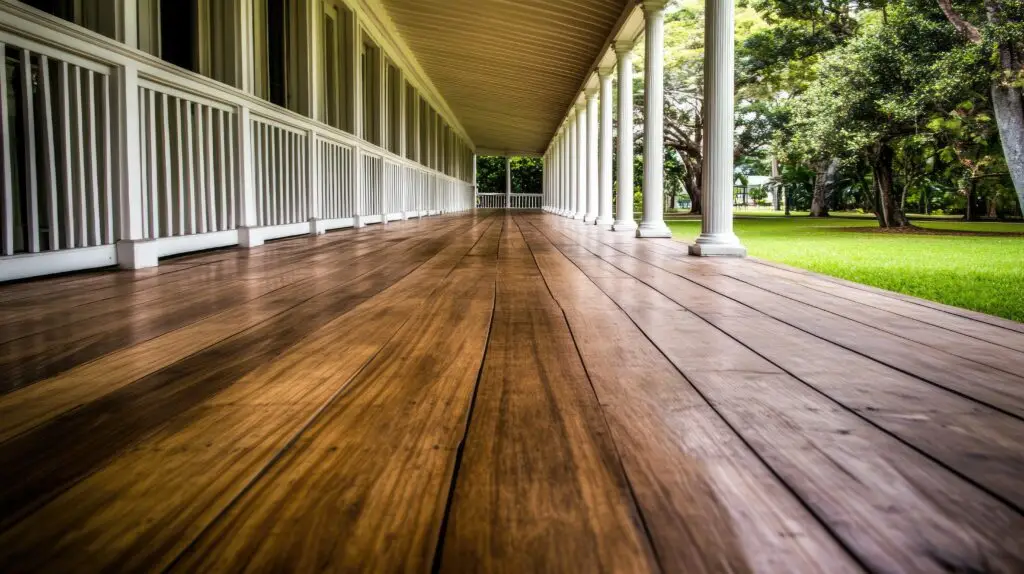
A pergola is a cherished outdoor feature, providing a charming focal point, shade, and a framework for climbing plants. Often constructed from natural wood, its beauty lies in its organic texture and grain. To preserve this natural appeal while protecting it from the harsh realities of sun, rain, and mildew, choosing the best stain for your pergola is crucial. A quality stain enhances the wood’s inherent beauty, offers vital UV protection, and ensures your outdoor oasis remains stunning for years to come.
Why stain your pergola instead of painting?
While paint offers opaque color, stain is often the preferred choice for pergolas, especially for those who appreciate the natural look of wood.
- Highlights Natural Beauty: Stain penetrates the wood, allowing the natural grain and texture to remain visible. This creates an organic, warm aesthetic that paint would completely obscure.
- Less Prone to Peeling/Chipping: Unlike paint, which forms a film on the surface, stain soaks into the wood. This means it’s far less likely to chip, crack, or peel, even with temperature fluctuations and moisture exposure.
- Easier Reapplication: When it’s time to refresh your pergola, re-staining typically involves less prep work. Often, you just need to clean the surface before applying a new coat, rather than scraping and sanding off old, peeling paint.
- Better Moisture Management: Stains, particularly semi-transparent and solid options, allow the wood to breathe, reducing the risk of moisture getting trapped underneath, which can lead to rot or mildew.
- More Rustic Appeal: Stains lend themselves perfectly to the rustic, natural, or craftsman-style aesthetics often desired for outdoor structures.
Check it out: Can you paint a pergola? What to know before you start
Types of pergola stains (clear, semi-transparent, solid)
Stains come in various opacities, each offering a different look and level of protection.
- Clear/Transparent Stains (or Natural Sealers):
- Appearance: Offers minimal color pigment, allowing the wood’s natural color and grain to shine through completely. It’s essentially a clear protective coat.
- Protection: Provides good water repellency, but very limited UV protection. Wood will gray naturally over time under direct sun exposure.
- Best For: New, beautiful wood where you want to retain its exact natural color and are comfortable with it weathering over time. Requires frequent reapplication for moisture protection.
- Semi-Transparent Stains:
- Appearance: Contains a small amount of pigment, adding a subtle tint to the wood while still allowing most of the grain to be visible. Popular choices include natural wood tones like cedar, redwood, or light browns.
- Protection: Offers good water repellency and significantly better UV protection than clear stains due to the pigments.
- Best For: Enhancing the wood’s natural color, providing good protection against the elements, and achieving a warm, classic look. This is often a top choice for pergolas.
- Semi-Solid Stains:
- Appearance: Contains more pigment than semi-transparent stains, providing a richer, more uniform color. The wood grain is still somewhat visible, but it’s more muted.
- Protection: Offers excellent UV protection and superior water repellency.
- Best For: When you want a more consistent color on your pergola but still appreciate the subtle texture of the wood. Great for covering minor blemishes.
- Solid Stains:
- Appearance: Opaque, completely covering the wood grain, similar to paint, but still penetrates the wood. Available in a wide range of colors, including grays, whites, and even darker tones.
- Protection: Provides the highest level of UV protection and water resistance among stains, as well as excellent durability.
- Best For: Achieving a uniform, painted-like look while still benefiting from the stain’s non-peeling properties. Ideal for older wood or when you want to drastically change the wood’s color.
Best stains for UV, rain & mold resistance
To ensure your pergola withstands the elements, look for specific features in a stain.
- UV Resistance: This is crucial for outdoor structures. Pigmented stains (semi-transparent, semi-solid, and solid) offer the best UV protection because the pigments block harmful UV rays from breaking down the wood fibers. Clear stains offer very little UV protection.
- Water Repellency: All quality exterior stains should be water-repellent. Look for formulas that actively repel water, preventing it from soaking into the wood and causing rot or swelling.
- Mildew and Mold Resistance: Damp, shady environments are prone to mildew. Choose stains that contain fungicides or mildewcides to inhibit mold and mildew growth. This is especially important if your pergola is near lush landscaping or in a humid climate.
- Algae Resistance: Similar to mold, algae can grow on damp, shaded surfaces. Stains with algaecides are beneficial.
- Flexible/Breathable Formulas: Concrete expands and contracts with temperature and moisture. A good stain remains flexible to move with the wood, preventing cracking and peeling. Formulas that allow the wood to “breathe” (release trapped moisture vapor) are also important.
- Brand Reputation: Stick to reputable brands known for high-quality exterior wood stains, such as Sherwin-Williams, Behr, Valspar, Cabot, or Benjamin Moore.
Application tips for even coverage
Proper application is key to achieving a beautiful, long-lasting, and even finish.
- Thorough Cleaning is Paramount: Before staining, clean the pergola thoroughly. Use a power washer (on a low setting and from a safe distance) or scrub with a stiff brush and a mild detergent solution to remove all dirt, mildew, pollen, and loose debris. Rinse extremely well and allow the wood to dry completely (at least 24-48 hours, or until moisture content is below 15%).
- Light Sanding (Optional but Recommended): For smoother new wood, or if you’ve done repairs, a light sanding with 80-120 grit sandpaper will open the wood grain, allowing the stain to penetrate better and achieve a more even finish. Always sand in the direction of the wood grain. Remove all sanding dust afterwards.
- Repair Wood Imperfections: Fill any cracks or holes with an exterior wood filler designed for stain acceptance, if desired.
- Stir Thoroughly and Frequently: Pigments in stain can settle at the bottom. Stir the stain thoroughly before and periodically during application to ensure consistent color.
- Test the Stain: Always test your chosen stain on an inconspicuous area of the pergola (or a scrap piece of the same wood) to ensure you like the color and finish before applying it to the entire structure.
- Apply in Ideal Conditions: Check the stain manufacturer’s recommended temperature and humidity range. Avoid applying in direct hot sunlight (which can cause rapid drying and lap marks), in high humidity, or if rain is expected within 24-48 hours.
- Work in Manageable Sections: Apply stain to one section at a time, working methodically from top to bottom.
- Use the Right Tools:
- Brush: A good quality synthetic or natural bristle brush is excellent for detailed areas, edges, and working the stain into the wood grain.
- Roller: A short-nap roller (1/4 inch or 3/8 inch) can be used for larger, flat surfaces, but always follow up immediately with a brush to even out the stain and work it into the wood.
- Sprayer: For very large pergolas, a paint sprayer can be efficient, but requires extensive masking to protect surrounding areas and often a back-brushing step to ensure penetration.
- Apply Thin, Even Coats: Apply stain in thin, even coats, working with the grain of the wood. Avoid applying too much stain, as it can puddle and lead to sticky spots or an uneven finish. Wipe off any excess stain that doesn’t penetrate within 5-15 minutes (check product instructions) to prevent a blotchy appearance.
- Allow Proper Drying Time Between Coats: If two coats are recommended, allow the first coat to dry completely before applying the second.
How often should you re-stain a pergola?
The re-staining frequency depends on the type of stain, climate, and exposure.
- Clear/Transparent Stains: Every 1-2 years. These offer minimal UV protection, so the wood will weather faster.
- Semi-Transparent Stains: Every 2-4 years. They offer good UV protection and tend to fade evenly.
- Semi-Solid Stains: Every 3-5 years. Their higher pigment content means longer lasting color and protection.
- Solid Stains: Every 5-7 years, sometimes longer, as they offer the most durable finish among stains.
Signs It’s Time to Re-Stain:
- Fading Color: The color looks noticeably duller or lighter than it used to.
- Water Soaking In: Perform a “water bead test.” Drip a few drops of water onto the wood. If the water soaks in rather than beading up, the stain’s protective qualities are diminished.
- Graying Wood: For transparent or semi-transparent stains, if the wood itself is starting to turn gray, it’s a sign of UV damage and time to re-stain.
- Flaking/Peeling (Rare for Stains): While rare for stains, if you see any minor flaking, address it by cleaning and light sanding before re-staining.
By selecting the right stain, meticulously preparing the wood, and committing to regular reapplication, your pergola will remain a beautiful and protected centerpiece in your outdoor living space for many seasons to come.
Check it out: Pergola paint colors: Design ideas to match any backyard
Ready to enhance your pergola’s natural beauty and ensure its lasting protection? Anderson’s Painting specializes in expert exterior staining, offering a wide selection of high-performance stains that provide superior UV, rain, and mold resistance. Our skilled team ensures flawless application for a stunning and durable finish. Contact us today for a free consultation and let’s bring out the best in your outdoor wood!