
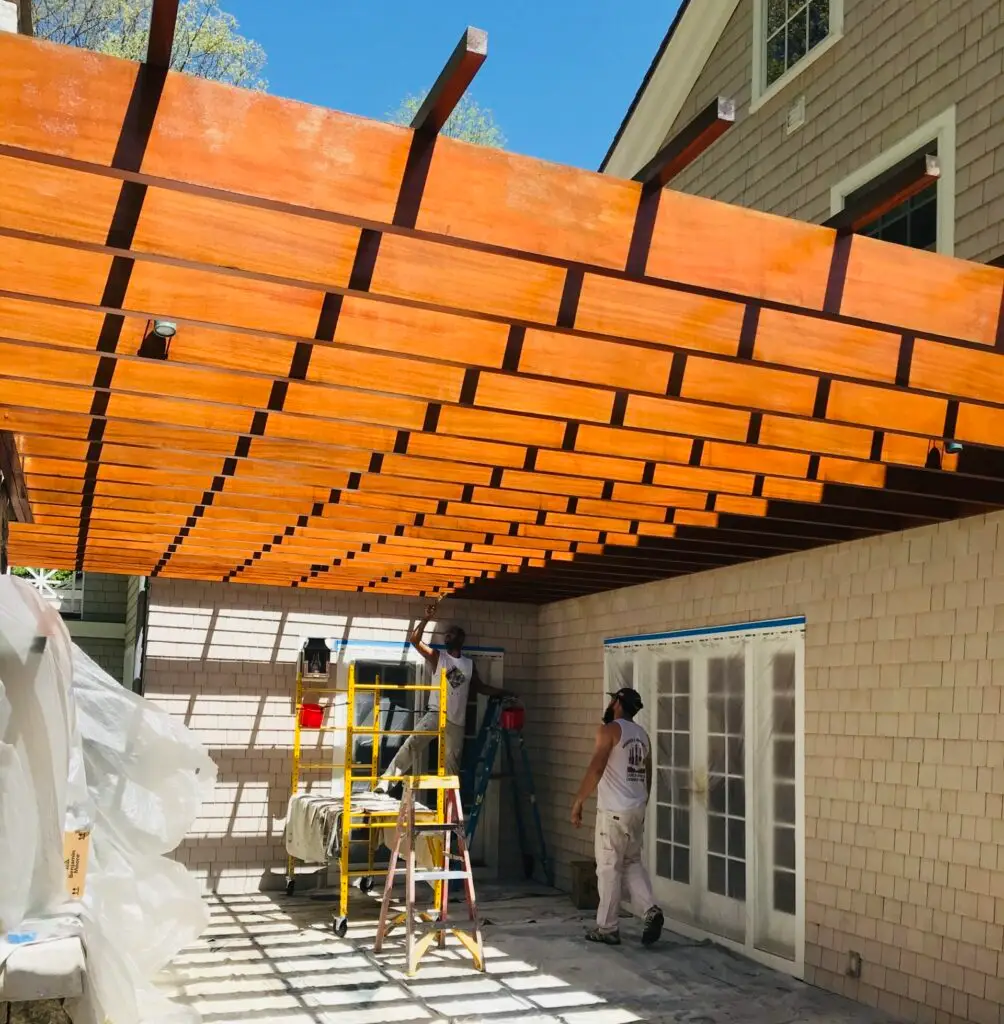
A pergola adds charm, shade, and a defined living space to any backyard. While often admired for their natural wood beauty, homeowners sometimes wonder if they can, or should, paint their pergola. The answer is a resounding yes! Painting a pergola is an excellent way to refresh its look, protect the wood, and seamlessly integrate it with your home’s exterior design. However, knowing the right materials, preparation, and techniques is crucial for a durable and beautiful finish.
Pergola materials that can be painted
Most pergolas are constructed from wood, making them excellent candidates for painting.
- Wood Pergolas:
- Pressure-Treated Wood: This is very common for outdoor structures. It’s treated to resist rot and insects, and once adequately dried (often several months after installation), it can be painted.
- Cedar, Redwood, Cypress: These naturally rot-resistant woods are beautiful unstained, but can also be painted to match a specific aesthetic.
- Pine, Fir: More affordable options that greatly benefit from paint or stain for protection against the elements.
- Other Materials (Less Common, but Some Can Be Painted):
- Vinyl/PVC Pergolas: These are usually pre-finished and designed to be maintenance-free, so painting is generally not recommended or necessary. If a color change is desired, specialized vinyl-safe paints (which contain less heat-absorbing pigment) may be used, but consult the manufacturer.
- Aluminum Pergolas: These are also typically powder-coated or factory-finished. While some can be painted with specific metal primers and exterior paints, it’s often more complex than wood and usually not recommended unless absolutely necessary.
Focus for this Guide: This guide primarily focuses on painting wood pergolas, as they are the most common type homeowners choose to paint.
Paint vs. Stain: Which is better for your pergola?
The choice between paint and stain depends on your desired look, the level of maintenance you’re willing to commit to, and the condition of the wood.
- Painting a Pergola:
- Pros:
- Opaque Color: Offers a vast array of solid, opaque colors, allowing you to perfectly match your home’s trim or create a striking contrast.
- Hides Imperfections: Can cover knots, blemishes, and inconsistent wood tones, providing a uniform finish.
- Thicker Protection: Forms a thicker film on the wood surface, offering robust protection against UV rays and moisture.
- Easier to Clean: Smooth painted surfaces are typically easier to wipe down.
- Cons:
- Obscures Wood Grain: Completely covers the natural beauty of the wood grain.
- Potential for Peeling: If prep work isn’t meticulous, or if moisture gets trapped, paint can chip, peel, or blister over time, requiring scraping and repainting.
- More Prep: Generally requires more extensive preparation (sanding, priming) than staining.
- Best For: Achieving a specific, vibrant, or bold color; matching existing painted elements of your home; or concealing imperfections in the wood.
- Pros:
- Staining a Pergola:
- Pros:
- Enhances Natural Beauty: Penetrates the wood, allowing the natural grain and texture to show through (transparent, semi-transparent, semi-solid stains).
- Less Prone to Peeling: Since it soaks in, stain is less likely to chip, crack, or peel, making reapplication simpler (often just cleaning and re-coating).
- Breathable: Allows the wood to breathe, reducing the risk of moisture getting trapped.
- Cons:
- Limited Color Palette: Primarily available in wood tones. Solid stains offer more color but still less than paint.
- Less Opaque: Won’t completely hide wood imperfections or previous colors (unless using a solid stain).
- Best For: Highlighting the natural beauty of the wood; easier long-term maintenance; or for a more rustic, organic aesthetic.
- Pros:
Decision: If you want a uniform, opaque color and are prepared for diligent prep and potential future scraping, paint is a great choice. If you love the look of natural wood grain and prefer simpler reapplication, stain is often better.
Check it out: Pergola paint colors: Design ideas to match any backyard
Prep work before painting
Thorough preparation is the secret to a long-lasting and beautiful paint job on your pergola. Do not skip these steps!
- Clean Thoroughly:
- Remove all loose debris, leaves, and cobwebs.
- Wash the entire pergola with a power washer (on a low setting, keeping a safe distance to avoid damaging the wood) or scrub with a stiff brush and a solution of mild detergent or an outdoor wood cleaner.
- For mildew or algae, use a bleach and water solution (1 part bleach to 10 parts water) or a specialized mildew remover.
- Rinse meticulously with clear water until all cleaning solution and debris are gone.
- Allow the wood to dry completely for at least 24-48 hours (or longer in humid conditions). Moisture trapped under paint will cause it to peel.
- Inspect and Repair:
- Check for any loose fasteners, wobbly joints, or damaged wood. Tighten screws, replace nails, and repair any rotten or severely cracked sections with wood filler designed for exterior use. For larger repairs, replace the damaged wood.
- Scrape and Sand (if applicable):
- If the pergola has existing paint or stain that is peeling, flaking, or severely worn, you must remove it. Use a paint scraper and/or an orbital sander with medium-grit sandpaper (80-120 grit) to remove all loose material and smooth rough spots.
- For unpainted new wood, a light sanding with 120-150 grit sandpaper will create a “tooth” for the primer to adhere to.
- After sanding, wipe down the entire pergola with a damp cloth to remove all dust, then allow to dry completely.
- Mask and Protect:
- Use painter’s tape to protect any areas you don’t want painted (e.g., adjacent house siding, patio pavers).
- Lay down drop cloths or plastic sheeting on the ground beneath the pergola to catch drips and overspray, protecting your landscaping or patio.
Best paint types for outdoor wood structures
Selecting the right paint will ensure durability against the elements.
- 100% Acrylic Exterior Latex Paint:
- Recommendation: This is almost always the best choice for painting wood pergolas.
- Pros: Highly durable, flexible (expands and contracts with the wood without cracking), excellent UV resistance (resists fading), good mildew resistance, and easy cleanup with soap and water. It breathes, allowing moisture vapor to escape.
- Finish: Satin or semi-gloss are popular choices for their durability and ease of cleaning.
- Exterior Primer:
- Crucial Step: Always use a high-quality exterior wood primer before painting, especially on new, bare, or previously stained/weathered wood.
- Benefits: Primer seals the wood, prevents tannin bleed-through (especially from cedar or redwood), promotes excellent adhesion for the topcoat, and provides a uniform base for consistent color.
- Types: Water-based (latex) primers are generally sufficient and easy to use. Oil-based primers offer superior stain-blocking but are slower drying and have more fumes.
- Avoid: Interior paints, paints not specifically designed for outdoor wood, or overly rigid paints that won’t flex with the wood.
Tips for long-lasting results
Beyond the initial application, these tips help your painted pergola endure for years.
- Apply in Ideal Conditions: Check the paint manufacturer’s recommended temperature and humidity range for application. Avoid painting in direct hot sun, high humidity, or when rain is expected within 24-48 hours.
- Two Thin Coats are Better Than One Thick Coat: Apply paint in thin, even coats. One thick coat can lead to drips, sags, and slower drying, which increases the risk of peeling. Two thin coats provide better coverage and durability.
- Use Quality Tools: Invest in good quality brushes (angled sash brush for cutting in) and roller covers (appropriate nap for texture). Quality tools apply paint more evenly and reduce frustration.
- Maintain a Wet Edge: When rolling or brushing, always work into the previously painted, still-wet section to avoid lap marks and ensure a seamless finish.
- Allow Proper Curing Time: Paint is dry to the touch in hours, but it takes days (or even weeks, depending on the product and conditions) to fully cure and reach its maximum hardness and durability. Avoid putting heavy objects on it or washing it during this time.
- Regular Cleaning: Periodically clean your painted pergola with mild soap and water to remove dirt, pollen, and mildew. This prevents buildup that can degrade the paint finish over time.
- Annual Inspection & Touch-Ups: Inspect your pergola annually for any chips, cracks, or peeling areas. Address these promptly with touch-up paint to prevent moisture from penetrating and causing more widespread damage.
By taking the time for meticulous preparation, choosing the right products, and applying paint carefully, your painted pergola will not only enhance your outdoor living space but also remain a beautiful and protected feature for many years.
Check it out: How much does it cost to paint a pergola? Price breakdown
Ready to give your pergola a stunning new look and long-lasting protection? Anderson’s Painting specializes in expert exterior painting, including pergolas, decks, and fences. Our experienced team ensures thorough preparation, the use of high-quality materials, and a flawless finish that enhances your outdoor living space. Contact us today for a free consultation and let’s bring your vision to life!