
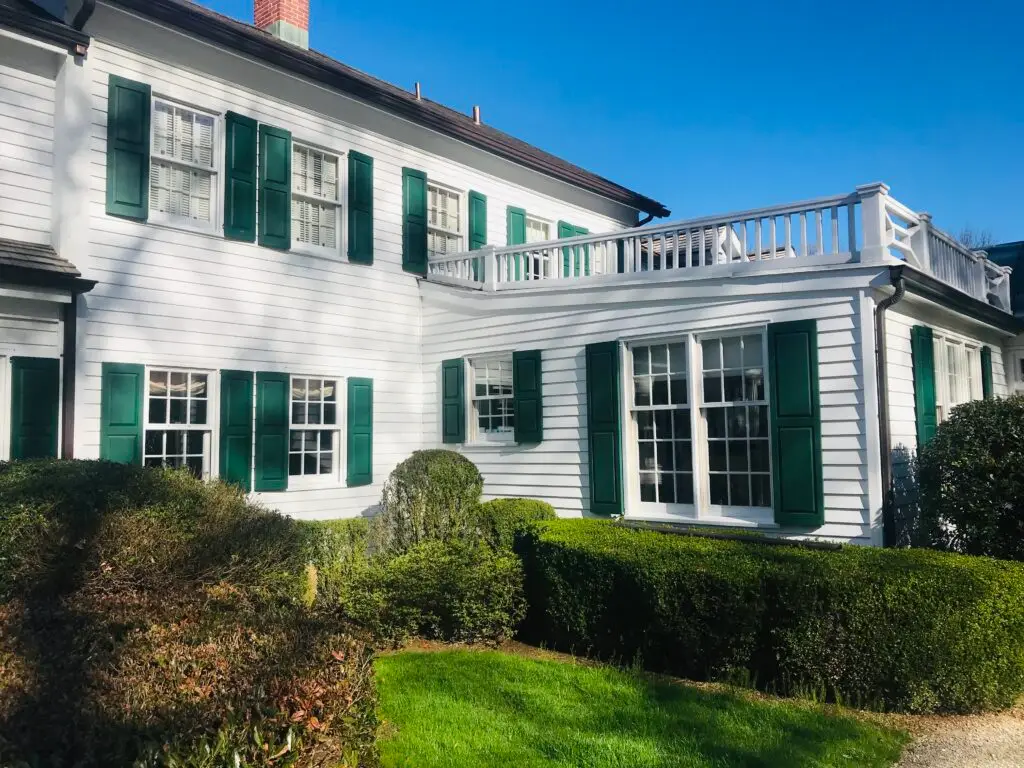
Wood siding brings a classic charm and natural beauty to a home’s exterior, offering a timeless aesthetic that many homeowners cherish. However, unlike other siding materials, wood is organic and highly susceptible to the damaging effects of weather, moisture, and UV radiation. To protect this investment and maintain your home’s curb appeal, choosing the best exterior paint for wood siding is paramount. A high-quality, long-lasting, and weatherproof paint not only provides a beautiful finish but also acts as a vital shield, ensuring your wood siding stands strong against the elements for years to come.
Why wood siding needs special exterior paint
Wood is a living material that naturally expands, contracts, and breathes with changes in temperature and humidity. Standard interior paints or those not specifically formulated for exteriors will fail quickly when exposed to outdoor conditions.
- Moisture Management: Wood is hydroscopic, meaning it absorbs and releases moisture. Exterior paints for wood siding must be breathable enough to allow trapped moisture vapor to escape, preventing blistering, peeling, and rot, while also repelling liquid water.
- UV Protection: Sunlight’s ultraviolet (UV) rays degrade wood fibers, leading to fading, cracking, and eventual breakdown of the wood. Exterior paints contain pigments and binders designed to block or resist UV damage, protecting both the paint film and the wood beneath.
- Flexibility: As wood expands and contracts with temperature and humidity fluctuations, the paint film must remain flexible to move with it. Inflexible paints will crack and peel prematurely.
- Mold, Mildew & Algae Resistance: Wood, especially in damp conditions, is prone to fungal growth. Quality exterior paints include mildewcides and fungicides to inhibit the growth of mold, mildew, and algae, keeping your siding looking clean and healthy.
- Adhesion to Wood: Wood surfaces can be challenging for paint adhesion due to their natural oils, tannins, and varying porosity. Exterior paints for wood siding are formulated for superior grip.
Top paint types for wood (acrylic, latex, oil-based)
When selecting exterior paint for wood siding, you’ll primarily encounter acrylic, latex, and oil-based options, each with distinct characteristics.
- 100% Acrylic Exterior Latex Paint:
- Recommendation: This is widely considered the gold standard and best overall choice for wood siding in most climates.
- Pros: Outstanding flexibility, allowing it to expand and contract with the wood without cracking or peeling. Excellent UV resistance, resisting fading. Breathable, allowing moisture vapor to escape. Superior adhesion. Easy water cleanup. Dries relatively quickly. Great mold and mildew resistance.
- Cons: Not as hard a finish as oil-based, so may be slightly less resistant to extreme abrasion (though this is less of a concern for siding than, say, a deck).
- Acrylic Blended (Acrylic-Latex) Exterior Paint:
- Description: Contains a blend of acrylic and vinyl binders. Generally a good value.
- Pros: More flexible than pure vinyl paints, good adhesion, easy cleanup.
- Cons: Not quite as durable or long-lasting as 100% acrylic.
- Oil-Based Exterior Paint (Alkyd):
- Description: Traditional paint type.
- Pros: Creates a very hard, durable, smooth finish. Excellent adhesion, particularly on chalky or previously oil-painted surfaces. Great stain-blocking properties (useful for tannin bleed from certain woods).
- Cons: Less flexible than acrylics, making them more prone to cracking and peeling on wood over time, especially with significant expansion/contraction. Dries slowly. Emits stronger fumes (higher VOCs). Cleanup requires mineral spirits. Can yellow over time, especially lighter colors.
- Best For: Repainting over existing oil-based paint, or for specific stain-blocking needs, but less preferred for long-term flexibility on new wood.
What to look for in weather-resistant paint
Beyond the basic paint type, several features contribute to a paint’s ability to protect wood siding.
- High-Quality Binders (Resins): Look for premium-grade 100% acrylic resins, which provide flexibility, durability, and adhesion.
- UV Resistance: Pigments in the paint should be stable and resist fading from sun exposure.
- Mold & Mildew Resistance: Contains fungicides or mildewcides to prevent unsightly and damaging fungal growth.
- Breathability: Allows moisture vapor to pass through the paint film, preventing blistering.
- Alkali Resistance: Important if you’re painting over new, uncured concrete or stucco, but less critical for seasoned wood siding.
- Dirt Pick-Up Resistance: Helps keep the surface cleaner by repelling dirt and dust, especially important for lighter colors.
- Low VOC (Volatile Organic Compounds): While not directly related to durability, lower VOC paints are better for air quality and the environment.
Recommended brands and finishes
Investing in quality paint from reputable brands is crucial for long-term performance.
- Recommended Brands (Examples widely available):
- Sherwin-Williams: Known for lines like Emerald Exterior, Duration Exterior, and SuperPaint Exterior.
- Benjamin Moore: Popular choices include Aura Exterior, Regal Select Exterior, and Ben Exterior.
- Behr (Home Depot): Dynasty Exterior, Marquee Exterior, and Premium Plus Exterior.
- Valspar (Lowe’s): Duramax Exterior, Reserve Exterior.
- PPG Paints: Manor Hall Exterior, PPG Timeless.
- Always look for their top-tier exterior lines specifically designed for wood.
- Recommended Finishes (Sheens):
- Satin/Eggshell: The most popular and recommended finish for wood siding. It offers a subtle sheen that is durable, easy to clean, and helps hide minor imperfections while providing excellent protection.
- Low Lustre: A term often used by manufacturers, similar to satin.
- Flat: While it hides imperfections well, it’s generally less durable and harder to clean than satin/eggshell. Not ideal for high-exposure areas.
- Semi-Gloss: More durable and very easy to clean, but its higher sheen will highlight every imperfection in the siding. More commonly used for trim.
How to prep and apply for maximum durability
Even the best paint won’t perform if the surface isn’t properly prepared and the paint isn’t applied correctly.
- Thorough Cleaning:
- Power wash (on a low setting, with proper distance) or hand-wash the entire siding with a mixture of mild detergent and water. For mildew, use a diluted bleach solution (1 part bleach to 10 parts water) or a specialized exterior cleaner.
- Rinse thoroughly to remove all soap and cleaner residue.
- Allow the siding to dry completely for at least 24-48 hours (or longer in humid conditions). Moisture is the enemy of adhesion.
- Scrape and Sand:
- Scrape off any loose, peeling, or blistering paint using a paint scraper.
- Lightly sand rough areas and feathered edges with 80-120 grit sandpaper to create a smooth transition and promote adhesion.
- For bare wood, a light sanding ensures better primer penetration.
- Remove all sanding dust with a brush or damp cloth, and let dry.
- Repair and Caulk:
- Fill any holes, cracks, or minor damage in the wood with an exterior wood filler, sanding smooth once dry.
- Re-caulk around windows, doors, and trim with a high-quality, paintable acrylic latex caulk to seal gaps and prevent moisture intrusion.
- Prime All Bare Wood (Crucial!):
- Apply a high-quality exterior primer to all bare wood areas, repaired spots, and any areas where tannins might bleed through (e.g., cedar, redwood). Primer provides excellent adhesion, blocks stains, and creates a uniform surface for the topcoat.
- Allow the primer to dry completely according to manufacturer instructions.
- Apply Paint in Ideal Conditions:
- Check paint can for recommended temperature and humidity ranges. Avoid painting in direct hot sun, high humidity, or if rain is expected within 24-48 hours.
- Use Quality Tools & Proper Technique:
- Use a high-quality exterior paint brush for cutting in and detailed areas.
- Use a roller (with a medium nap, 3/8″ to 1/2″ for textured wood) for larger, flat sections.
- Apply paint in thin, even coats. Two thin coats are always better than one thick coat for durability and finish.
- Work from top to bottom, maintaining a “wet edge” to avoid lap marks.
- Allow Adequate Drying & Curing Time:
- Follow the manufacturer’s recoat times between coats.
- Be mindful that paint takes several days to a few weeks to fully cure and reach its maximum hardness and durability. Avoid scrubbing or harsh treatment during this time.
By investing in high-quality paint, meticulous preparation, and proper application, your wood siding will not only look stunning but will also be powerfully protected against the elements for years to come, truly making it a long-lasting and weatherproof investment.
Check it out: How to paint exterior wood siding? Step-by-step for weatherproof results
Is your home’s wood siding in need of a refreshing, protective coat of paint? Anderson’s Painting specializes in expert exterior painting, ensuring meticulous preparation, the use of premium, weatherproof paints, and a flawless finish for your wood siding. Let our experienced team revitalize your home’s curb appeal and protect your investment. Contact us today for a free consultation!