
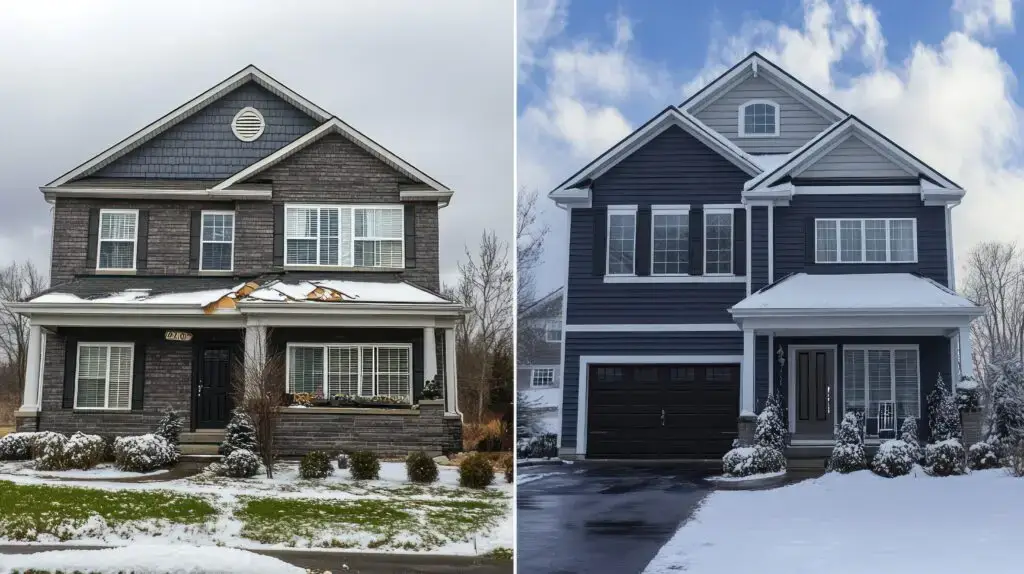
The exterior paint of your home is its first impression, its protective shield, and a significant contributor to its overall curb appeal and value. Over time, sun, rain, and age can take their toll, leaving a once vibrant facade looking tired and worn. There’s arguably no home improvement project that delivers as dramatic a “before and after” transformation as a fresh exterior paint job. It’s a visual revitalization that can completely redefine your home’s character and presence.
The power of color in exterior design
Color is the silent language of exterior design, speaking volumes about your home’s style and welcoming presence.
- Establishing Mood and Character: A fresh paint color can completely alter the perceived mood of a home. A light, airy color might convey openness and modernity, while a rich, deep hue can evoke a sense of tradition and gravitas.
- Highlighting Architectural Features: Strategic use of color can draw attention to architectural elements like gables, trim, columns, or intricate woodwork. A contrasting trim color, for instance, makes windows and doors pop.
- Blending or Standing Out: Color allows homeowners to decide if their home should blend harmoniously with its natural surroundings or adjacent properties, or if it should make a more distinct statement.
- Influencing Perceived Size: Lighter colors tend to make a house appear larger and more expansive, while darker colors can make a large home feel cozier or add visual weight.
- Enhancing Landscaping: The right exterior color can act as a beautiful backdrop that makes your landscaping, gardens, and pathways stand out and look more vibrant.
- Curb Appeal and First Impressions: A well-chosen, freshly applied exterior color creates an inviting and polished first impression for visitors and potential buyers, significantly boosting curb appeal.
Real examples of dramatic home transformations
Visualizing the “before and after” of exterior painting truly showcases its transformative power.
- The Dated Ranch Revival:
- Before: A 1970s ranch-style home, clad in faded yellow siding with drab brown trim, looks uninspired and stuck in the past. The color scheme makes the house blend into the background.
- After: A fresh coat of crisp off-white or a sophisticated light gray on the body, paired with charcoal gray trim and a bold, contrasting front door (like a deep teal or rich red), completely revitalizes the home. The clean lines are accentuated, the house feels larger, and its mid-century charm is highlighted, bringing it squarely into the modern era.
- The Weathered Victorian Restoration:
- Before: An ornate Victorian home with peeling paint, faded pastels, and chipped trim looks neglected, losing its historical grandeur. The details are obscured by wear.
- After: A multi-color Victorian paint scheme, using a vibrant main color (like a deep blue or sage green), complemented by two or three carefully chosen accent colors for the intricate trim, gables, and window sashes. The “after” reveals the architectural beauty, bringing every decorative detail to life and restoring the home to its magnificent, historical glory.
- The Sun-Faded Coastal Cottage:
- Before: A charming coastal cottage, once a cheerful light blue, has faded to a chalky, uneven, almost white appearance from years of sun and sea air. The original character is lost.
- After: Repainted in a refreshed, slightly richer shade of blue with crisp white trim, the cottage instantly regains its lighthearted, inviting personality. The colors pop against the natural surroundings, and the entire property feels bright, clean, and welcoming, embodying coastal living.
Common paint issues fixed by repainting
A new exterior paint job isn’t just about changing color; it’s about addressing and fixing pervasive problems that compromise your home’s protection and appearance.
- Fading and Discoloration: Sun exposure breaks down pigments, causing colors to dull or change unevenly. Repainting restores vibrant, consistent color.
- Chalking: Old paint surfaces can develop a powdery residue. New paint (applied after proper cleaning) adheres correctly, eliminating this issue and preventing future breakdown.
- Peeling and Flaking: Often caused by moisture or poor adhesion, peeling paint not only looks bad but leaves your siding exposed. Repainting, after thorough scraping and priming, creates a strong, protective bond.
- Cracking and Alligatoring: These issues arise from paint aging or poor flexibility. A fresh coat of flexible, high-quality exterior paint helps to bridge minor cracks and prevents new ones from forming for years.
- Blistering: Trapped moisture or improper application can cause bubbles. After addressing the moisture source and removing affected paint, new paint adheres smoothly without defects.
- Mold, Mildew, and Algae: These growths are unsightly and can damage the paint film. Professional power washing combined with quality exterior paint containing mildewcides inhibits future growth, leaving a clean, healthy surface.
- Surface Imperfections: Minor dents, dings, and surface roughness can be repaired and smoothed out during the preparation phase before new paint creates a flawless finish.
Check it out: Common exterior paint problems and how to fix them
Paint finishes for exterior use
The sheen you choose for your exterior paint can significantly impact durability, appearance, and ease of maintenance.
- Flat/Matte:
- Pros: Hides surface imperfections very well, provides a uniform, non-reflective look.
- Cons: Least durable, harder to clean, prone to scuffing and collecting dirt.
- Best Use: Often used for main body of homes where texture hiding is important, though more durable finishes are often preferred for longevity.
- Satin/Eggshell:
- Pros: Offers a soft, subtle sheen, good durability, easy to clean, hides minor imperfections better than higher sheens. A popular choice for siding.
- Cons: Not as durable or washable as semi-gloss or gloss.
- Best Use: Main body of the house, offering a balance of aesthetics and performance.
- Semi-Gloss:
- Pros: Higher durability, very washable, provides a noticeable sheen that highlights architectural details. Excellent for resisting dirt.
- Cons: Shows surface imperfections more readily than flat or satin.
- Best Use: Trim, doors, window frames, railings, fascia, and areas that receive frequent handling or need to be wiped down often.
- Gloss:
- Pros: Highest durability, extremely washable, creates a very reflective, hard finish. Provides a bold, striking appearance.
- Cons: Magnifies every surface imperfection. Can appear too shiny for large areas.
- Best Use: Front doors, shutters, accent features, or elements where a high-impact, easy-to-clean surface is desired.
For most homes, a combination of finishes is ideal: satin or eggshell for the main body and semi-gloss or gloss for trim and doors.
Choosing the right color for resale value
When painting your home’s exterior, especially with future resale in mind, certain color strategies can maximize its market appeal.
- Neutral and Broadly Appealing Palettes:
- Grays: Various shades of gray (light to charcoal) offer sophistication and modernity. They pair well with almost any accent color.
- Whites and Off-Whites: Classic, clean, and timeless. They make homes appear larger and brighter.
- Beiges and Greiges (Gray-Beige): Warm, inviting, and highly versatile. They blend well with natural landscapes.
- Complementary Trim Colors: Stick with classic trim colors like crisp white, cream, or a slightly darker/lighter shade of the main body color. These create definition without being distracting.
- Conservative Accent Colors: For front doors or shutters, consider classic choices like black, deep navy, rich forest green, or even a muted red. These add personality without being polarizing.
- Match Architectural Style: Research colors historically appropriate for your home’s architectural style (e.g., craftsman, colonial, modern farmhouse). Buyers appreciate authenticity.
- Consider Fixed Elements: Take into account the colors of your roof, brick, stone, pathways, and landscaping. The new paint should harmonize with these permanent features.
- Consult a Professional: A professional painter or color consultant can provide valuable advice, offering large samples or digital renderings to help you visualize colors in different lighting conditions and make a confident choice that appeals to a wide range of potential buyers.
Check it out: Exterior paint colors: Top trends & what homeowners love
Ultimately, a fresh exterior paint job is an investment in your home’s appearance, protection, and long-term value. By making informed decisions about color, finish, and professional execution, you can achieve a truly stunning transformation.