
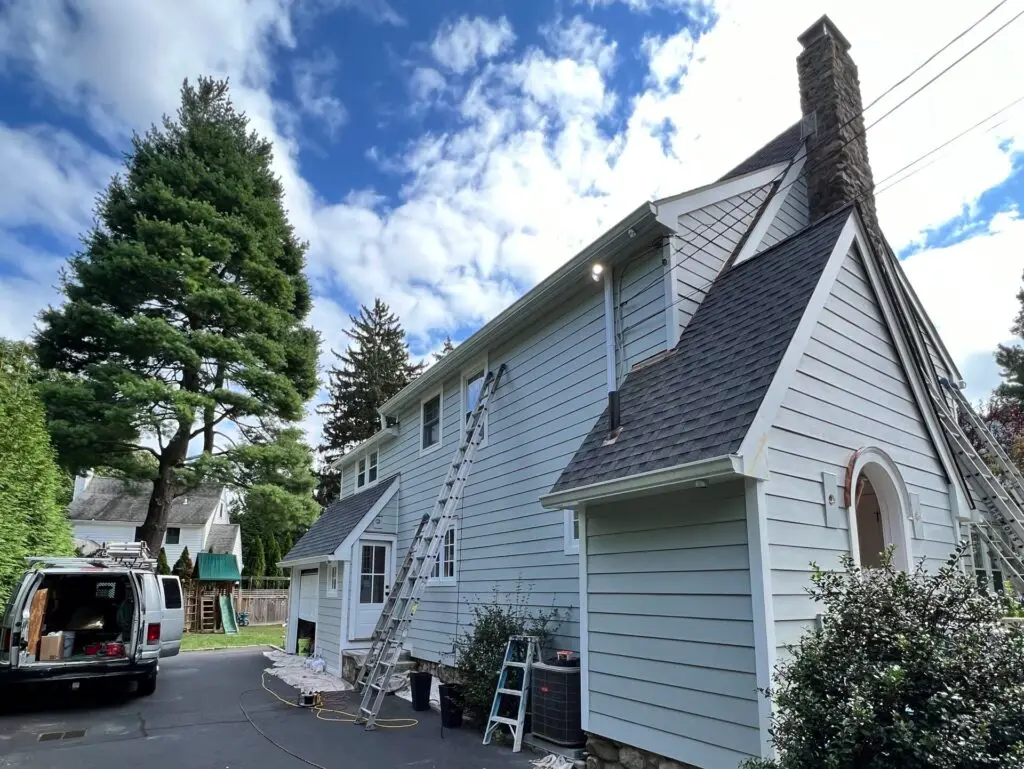
Repainting your home is one of the most impactful ways to boost curb appeal, update interiors, and protect your investment. However, one of the first questions homeowners in the U.S. ask is, “How much will it cost?” The price of painting a house can vary significantly based on numerous factors. This guide will break down the typical costs, what influences them, and how to get an accurate quote for your painting project.
Typical cost per square foot
Painting costs are commonly estimated by the square foot (ft²), though prices can fluctuate based on location, complexity, and specific contractor rates.
Interior: $2–$6 / ft²
- Average Range: For interior painting, you can typically expect to pay between $2 and $6 per square foot.
- What it Covers: This usually includes basic prep work (patching small holes, light sanding), two coats of paint on walls, and painting trim and ceilings.
- Variations: The lower end might be for simpler jobs in good condition, while the higher end accounts for more extensive prep, higher-quality paints, or intricate details.
Exterior: $2.16–$4.28 / ft²
- Average Range: Exterior painting generally falls between $2.16 and $4.28 per square foot.
- What it Covers: This typically includes power washing, scraping loose paint, minor repairs, priming, and two coats of exterior paint on siding, trim, and sometimes doors.
- Variations: Factors like the number of stories, type of siding, and amount of prep needed can significantly shift this price.
Check it out: Exterior house paint before and after: Visual guide
Factors impacting Cost: Size, prep, materials, labor
Several key elements contribute to the final price tag of a painting project:
- Size of the Project: This is the most obvious factor. Larger homes or more rooms naturally require more paint and labor.
- Surface Condition and Preparation: This is often the biggest variable. If walls require extensive patching, sanding, crack repair, wallpaper removal, or lead paint abatement, prep costs will increase. Exterior painting may require power washing, scraping old paint, primer application, or wood repair.
- Type and Quality of Paint: Premium paints offer better coverage, durability, and a longer-lasting finish, but come at a higher price. Eco-friendly, low-VOC, or specialty paints (e.g., mold-resistant, anti-bacterial) also cost more.
- Number of Coats: Most projects require two coats for good coverage, especially when changing colors dramatically or painting over dark colors. Additional coats will increase material and labor costs.
- Complexity of the Job:
- High Ceilings/Vaulted Ceilings: Require more time, scaffolding, or ladders.
- Intricate Details: Crown molding, wainscoting, intricate trim, multiple doors, or windows add complexity and labor time.
- Number of Colors: Using multiple colors for walls, trim, and accents increases labor.
- Accessibility: Difficult-to-reach areas, steep slopes for exterior painting, or dense landscaping can increase costs.
- Labor Costs: Professional painters charge based on their experience, efficiency, and overhead. Labor is typically the largest portion of a painting quote. Regional differences in cost of living also impact labor rates.
- Time of Year: In some regions, painting services may be in higher demand during certain seasons (e.g., spring/summer for exteriors), which could affect pricing.
DIY vs. Contractor pricing
Deciding between DIY and hiring a professional largely comes down to cost, time, and quality.
DIY painting:
- Cost: You only pay for materials (paint, primer, brushes, rollers, tape, drop cloths, ladder, safety gear). This can be significantly cheaper upfront.
- Time: Requires a substantial time commitment, often taking weekends or weeks to complete, especially for larger homes.
- Quality: The finish quality depends entirely on your skill level and patience. Mistakes can be costly to fix.
Hiring a contractor:
- Cost: Includes labor, materials (often at a professional discount), insurance, and overhead. More expensive upfront, but includes expertise and efficiency.
- Time: Professionals complete jobs much faster due to their experience, team size, and specialized equipment.
- Quality: Delivers a professional, high-quality finish with proper prep and application, typically backed by a warranty.
- Convenience: Saves you time and effort, and reduces stress.
For a whole-house paint job, especially exterior, most homeowners find that hiring a contractor offers better value in terms of results, durability, and time saved, despite the higher initial cost.
Check it out: Vinyl siding painters near me: Exterior painting experts Danbury, CT
Cost examples by home size & region
While prices vary, here are rough estimates for whole-house painting projects in the U.S.:
Small home (1,000 – 1,500 sq ft):
- Interior: $2,000 – $9,000
- Exterior: $2,160 – $6,420
Medium home (1,500 – 2,500 sq ft):
- Interior: $3,000 – $15,000
- Exterior: $3,240 – $10,700
Large home (2,500 – 4,000+ sq ft):
- Interior: $5,000 – $24,000+
- Exterior: $5,400 – $17,120+
Note: These are general estimates. Prices in high-cost-of-living areas (e.g., California, Northeast, major cities) will be on the higher end, while rural or lower-cost-of-living areas may see prices on the lower end.
Hidden costs: Repairs, extras, weather delays
Be aware of potential additional costs that might not be in the initial quote:
- Extensive Repairs: Significant drywall damage, rotted wood siding, or major stucco repair will add to the cost.
- Lead Paint/Asbestos Removal: If your home is older, testing for and safe removal of these materials is a specialized and costly service.
- Color Changes (Mid-Job): Deciding to change colors after paint has been purchased or applied can lead to additional fees.
- Furniture Moving/Protection: While many painters include basic furniture moving, extensive re-arrangement or storage may be extra.
- Permits: Some localities require permits for exterior painting, especially for multi-story buildings or historical homes.
- Weather Delays (Exterior): Unpredictable weather can prolong a project, potentially adding labor costs if painters are on an hourly rate.
- Unforeseen Issues: Mold discovery, pest infestations behind siding, or structural issues found during prep.
Get accurate quotes: Key questions to ask pros
To ensure you get a fair and accurate quote, ask potential painting contractors these questions:
- What does your quote include? (e.g., materials, labor, prep work, primer, number of coats, clean-up). Get a detailed breakdown.
- What type of paint do you use? (Brand, line, finish). Can I upgrade/downgrade paint types?
- How do you prepare the surfaces? (e.g., power wash, scrape, sand, patch, prime).
- How long will the project take? What is your typical timeline?
- Do you carry liability insurance and worker’s compensation? Ask for proof.
- Do you offer a warranty on your work? For how long?
- Can you provide references from previous clients?
- What is your payment schedule? (e.g., deposit, progress payments, final payment).
- What steps do you take for clean-up?
- Are there any potential hidden costs I should be aware of?
By understanding the factors that influence painting costs and asking the right questions, U.S. homeowners can confidently budget for their painting project and ensure a beautiful, lasting result.
Ready for a fresh coat of paint but unsure about the investment? Let Anderson’s Painting provide a clear, comprehensive quote tailored to your home! Contact us today for professional painting services in the U.S. that offer quality, transparency, and peace of mind.