
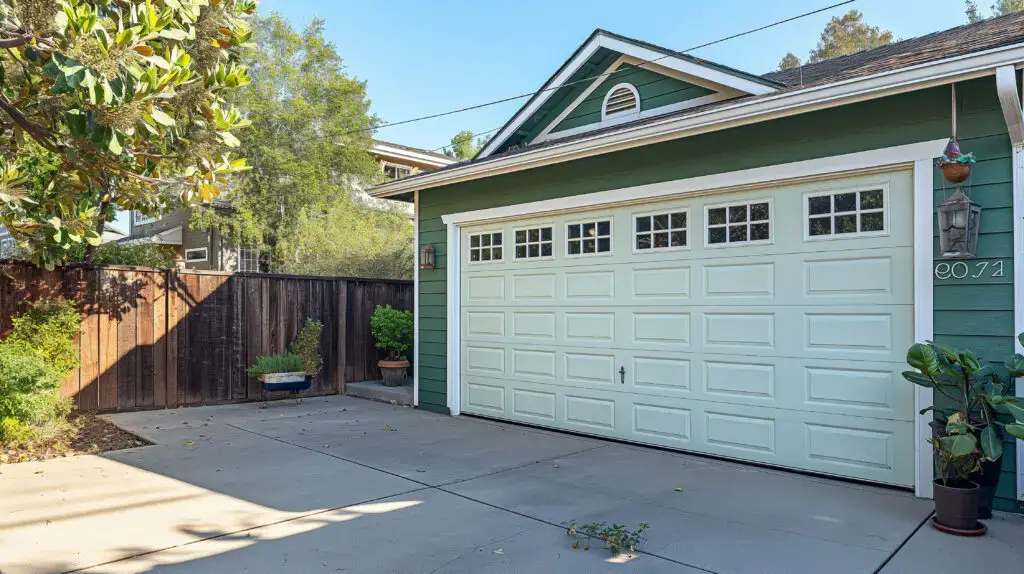
A fresh coat of paint can dramatically transform the curb appeal of your home, and the garage door, often a prominent feature, is an excellent place to start. A well-painted garage door not only enhances aesthetics but also provides crucial protection against the elements, extending its lifespan. Achieving a smooth, professional finish on your garage door is a rewarding DIY project, and with the right techniques and materials, it’s entirely within reach. Learning how to paint a garage door effectively ensures lasting beauty and protection for your home.
Best paints and primers for garage doors
Choosing the right paint and primer is fundamental for a durable and attractive finish that withstands outdoor conditions.
- 100% Acrylic Exterior Latex Paint: This is generally the top recommendation for most garage doors, whether metal or wood.
- Pros: Highly durable, flexible (resists cracking and peeling with temperature changes), excellent UV resistance (resists fading), quick-drying, easy cleanup with soap and water, and offers good adhesion.
- Finish: Available in various sheens, with satin or semi-gloss often preferred for their durability and ease of cleaning.
- Oil-Based Exterior Paint:
- Pros: Known for superior adhesion and durability, especially on metal surfaces, and provides a hard, smooth finish.
- Cons: Longer drying times, emits stronger fumes (requires good ventilation), and cleanup requires mineral spirits. Can become brittle over time.
- Epoxy Paint (for Metal Doors):
- Pros: Creates an extremely hard, glossy surface resistant to chipping, peeling, and chemicals. Excellent for high-durability needs.
- Cons: Can be more challenging to apply, limited color range, and may yellow over time with UV exposure if not a UV-stable formula.
- Primer:
- Is it necessary? While some paints are “paint and primer in one,” using a dedicated primer is highly beneficial, especially when changing colors significantly, painting bare wood/metal, or dealing with stained/rusty surfaces.
- Types:
- Oil-based primers: Excellent for adhesion on various surfaces (metal, wood, vinyl) and great for blocking stains and preventing rust.
- Water-based (latex) primers: Good for general use, quicker drying, and easier cleanup.
- Always match the primer to your topcoat (e.g., use an oil-based primer if using an oil-based paint, or a latex primer for latex paint).
Tip: Always check the garage door manufacturer’s recommendations for paint compatibility to ensure you don’t void any warranties.
Prep work: Cleaning, sanding, and taping
Proper preparation is the most critical step for a long-lasting, smooth paint job. Skipping these steps can lead to peeling, blistering, and an uneven finish.
- Remove Obstacles: Disengage the automatic garage door opener and unplug it. If possible, lift the door manually and prop it open or keep it closed throughout the process, choosing the position that allows easiest access to all surfaces and edges. Remove any hardware (handles, locks, decorative elements) that you don’t want painted, or tape them off.
- Clean Thoroughly:
- Wash the entire garage door surface with a mixture of mild detergent (like dish soap) and warm water. Use a soft brush or sponge to scrub away dirt, grime, cobwebs, and any oil or grease.
- For mildew, use a diluted bleach solution (1 part bleach to 10 parts water), scrub, and rinse thoroughly.
- Rinse the entire door with a garden hose to remove all soap residue. Do not use a high-pressure washer too close, as it can damage the door material or force water into mechanisms.
- Allow the door to dry completely—this can take several hours, or even a full day, especially in humid conditions.
- Inspect and Repair Damage:
- Metal Doors: Look for rust spots, dents, or peeling/flaking paint. For rust, use a wire brush or sandpaper to remove all loose rust. Apply a rust-inhibiting primer to these areas. Fill small dents with auto body filler (for metal) or exterior wood filler (for composite/wood-look metal doors), sand smooth. Scrape off any loose or peeling paint.
- Wood Doors: Look for cracks, splinters, rotting wood, or peeling paint. Repair cracks or holes with exterior wood filler, sand smooth. Scrape or sand off any loose or peeling paint.
- Sanding:
- Even if the existing paint is in good condition, a light sanding creates a “tooth” for the new paint to adhere to.
- Use medium-grit sandpaper (120-150 grit) to lightly scuff the entire surface. If dealing with significant peeling or roughness, start with a coarser grit and then move to a finer one (220 grit) for smoothing.
- After sanding, wipe down the entire door with a damp cloth to remove all dust, then let it dry completely.
- Taping and Masking:
- Apply high-quality painter’s tape around windows, trim, hardware, and the weatherstripping (rubber seals around the door frame). Press the tape down firmly to prevent paint bleed.
- Lay down drop cloths or plastic sheeting on the driveway and any nearby plants to protect them from drips and splatter.
Painting metal vs. Wood doors
While the basic steps are similar, there are nuances based on your garage door material.
Painting metal garage doors (steel, aluminum):
- Primer: Essential for good adhesion and rust prevention. Use a rust-inhibiting primer, especially on any exposed metal or repaired areas.
- Paint Type: 100% acrylic latex exterior paint is usually ideal. Oil-based or epoxy paints are also options depending on desired durability and finish.
- Application: Metal doors often have panels. Paint recessed panels first with a brush, then use a roller for the flat, raised sections. Maintain a “wet edge” to avoid lap marks.
- Rust: Any rust must be completely removed and primed with a rust-inhibiting primer before painting.
Painting wood garage doors:
- Primer: Crucial for sealing the wood, preventing tannin bleed-through (especially with redwood or cedar), and ensuring excellent adhesion for the topcoat. Use a high-quality exterior wood primer.
- Paint Type: 100% acrylic exterior latex paint is generally best due to its flexibility, UV resistance, and ability to handle wood’s expansion and contraction.
- Application: Follow the wood grain when painting. Use a brush for details and a roller for larger, flat areas. Wood absorbs paint differently, so ensure even coverage.
- Gaps: If the wood door has joints or gaps between panels, ensure paint gets into these areas for full protection.
Tools you’ll need
Having all your tools ready before you start will make the process smoother and more efficient.
- Cleaning Supplies:
- Mild detergent/soap
- Buckets
- Sponges or soft brushes
- Garden hose
- Clean rags/towels
- Preparation Supplies:
- Wire brush (for rust)
- Scraper (for loose paint)
- Sandpaper (medium and fine grit) or an orbital sander
- Exterior wood filler or auto body filler
- Painter’s tape (various widths)
- Drop cloths or plastic sheeting
- Painting Supplies:
- High-quality exterior primer (if not using self-priming paint)
- High-quality exterior paint (100% acrylic latex recommended)
- Paint tray and liners
- Roller frame
- Roller covers (3/8″ nap for smooth surfaces, 1/2″ for slightly textured)
- Angled sash brush (2-3 inches for cutting in and details)
- Paint stir stick
- Ladder or step stool (stable!)
- Optional: Paint sprayer for a very smooth, fast finish (requires masking everything nearby)
- Safety Gear:
- Safety glasses
- Work gloves
- Dust mask/respirator (especially during sanding or if using oil-based paints)
Curing time and maintenance tips
A beautifully painted garage door requires proper drying and ongoing care to maintain its pristine look.
Curing time:
- Dry to the touch: Paint typically feels dry to the touch in a few hours, but this doesn’t mean it’s fully cured.
- Recoat time: Always follow the manufacturer’s recommended recoat time on the paint can, typically 4-12 hours for latex paints. Applying a second coat too soon can lead to peeling or an uneven finish.
- Full cure: Paint usually takes anywhere from 24-48 hours to be “dry enough” for light use, but it can take several days to a few weeks (depending on temperature, humidity, and paint type) to fully cure and reach its maximum hardness and durability.
- Avoid contact: During the full curing period, avoid washing or scrubbing the door. Be cautious not to bump or scratch the fresh paint. If possible, minimize opening and closing the door for the first 24-48 hours to prevent sticking or marks.
Maintenance tips for long-lasting performance:
- Regular Cleaning: Wash your garage door every few months with mild soap and water using a soft sponge or cloth. Rinse thoroughly. This removes dirt, dust, and environmental buildup that can dull the finish and cause premature degradation. Avoid harsh chemicals or abrasive cleaners.
- Inspect Annually: Once a year, inspect the door for any chips, cracks, peeling, or signs of rust (on metal doors). Address these promptly with touch-up paint or repairs to prevent small issues from becoming larger problems.
- Protect from Elements: If your garage door is exposed to harsh direct sunlight or extreme weather, consider adding an awning or ensuring nearby sprinkler systems don’t constantly soak the door.
- Check Seals: Ensure weatherstripping around the door is in good condition; it helps protect the painted surface from moisture infiltration.
- Repaint When Necessary: With good quality paint and proper prep, a garage door paint job can last 5-10 years, or even longer. Repaint when you notice significant fading, chalking, or widespread peeling.
By following these steps, your garage door won’t just look freshly painted; it will be protected and enhance your home’s curb appeal for years to come.
Check it out: What color to paint your garage: Interior & exterior ideas
Ready to give your home a fresh look with a beautifully painted garage door? Anderson’s Painting specializes in professional exterior painting, ensuring a smooth, durable, and long-lasting finish for your garage door and other exterior surfaces. Let us bring our expertise to your home for a flawless transformation! Contact us today for a free estimate.