
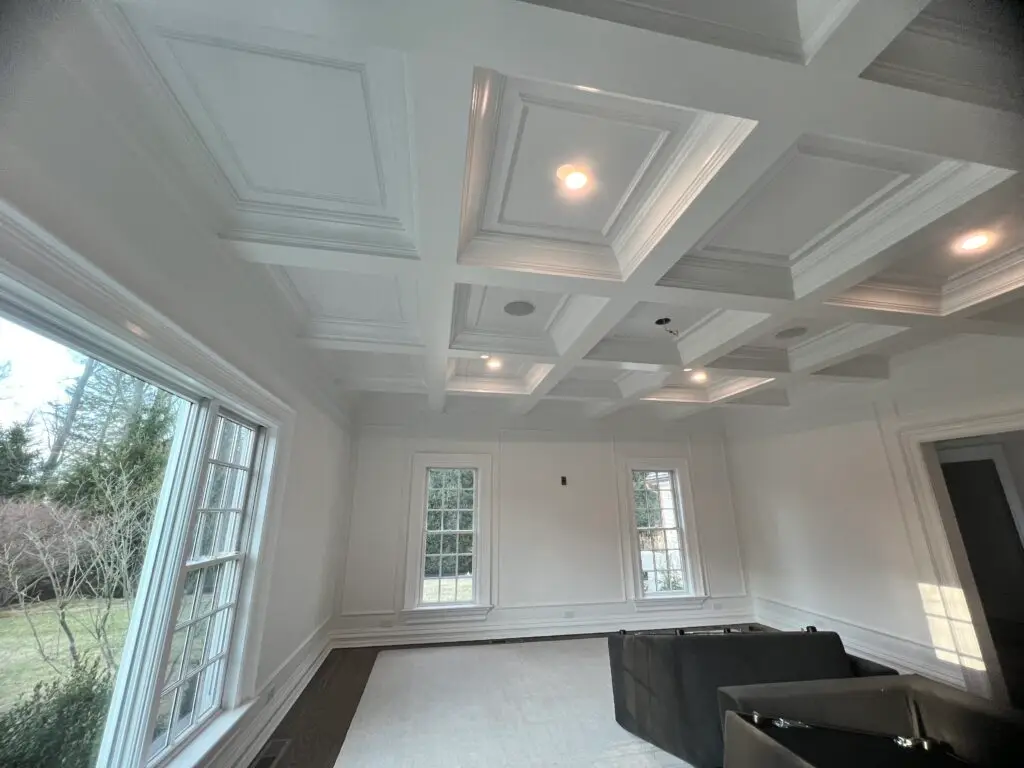
Choosing the perfect paint color for a room can feel overwhelming, but it’s one of the most transformative and cost-effective ways to refresh your home. A new coat of paint can drastically alter the mood, perceived size, and overall ambiance of any space. Whether you’re a homeowner in the U.S. looking for a subtle update or a dramatic change, these room color ideas will inspire your next home refresh and guide you toward making confident color choices.
How to choose colors by room function?
The function of a room is a primary driver in selecting its color palette. Different activities benefit from different emotional responses evoked by colors:
- Bedrooms: Spaces for rest and relaxation. Opt for calming, soothing colors like soft blues, gentle greens, muted lavenders, or warm neutrals. These hues promote tranquility and aid in winding down.
- Living Rooms: Areas for gathering, entertaining, and daily life. Consider versatile colors that feel inviting and can adapt to various moods. Warm grays, sophisticated beiges, or light, comforting blues can provide a great base.
- Kitchens: Often the heart of the home, requiring a balance of energy and cleanliness. Whites, light grays, or even energetic pops of color like a cheerful yellow or a calming sage green can work, depending on your cabinetry and style.
- Bathrooms: Typically smaller spaces where a fresh, clean feel is desired. Cool tones like light blues, greens, or crisp whites are popular, promoting a sense of hygiene and serenity.
- Home Offices: Spaces for focus and creativity. Blues can enhance concentration, while greens can offer a calming yet invigorating atmosphere. Avoid overly stimulating colors that might hinder focus.
- Dining Rooms: Often used for entertaining. Consider richer, deeper tones like deep blues, plums, or warm grays that can create a more intimate and sophisticated dining experience.
Color + Lighting = Perfect ambiance
Light is a crucial, often underestimated, factor in how a paint color appears in your home. The same shade can look drastically different depending on the natural and artificial light it receives.
North vs. South Light
- North-Facing Rooms: These rooms receive indirect, cooler light throughout the day. Colors here can appear muted or even a bit shadowy. To counteract this, consider warmer paint colors (whites with yellow undertones, warm grays, creams) to add coziness and prevent the space from feeling cold.
- South-Facing Rooms: These rooms are bathed in bright, warm light all day. Here, colors will appear truer and brighter. You have more flexibility with color choices; cool tones will look crisp and inviting, while warm tones will feel extra vibrant.
Artificial Lighting Effects
- Incandescent/Warm LED (2700K-3000K): These lights emit a yellowish glow, which can warm up cool colors and make warm colors feel even cozier.
- Cool LED/Daylight LED (4000K-5000K): These lights emit a bluer or whiter light, which can make cool colors pop and make warm colors appear less saturated.
- Smart Lighting: Consider smart bulbs that allow you to adjust the color temperature. This provides flexibility to change the ambiance of a room as needed.
Always test your paint samples in the actual room, observing them throughout the day under both natural and artificial light conditions.
Trending Palettes Per Space
While personal preference reigns supreme, here are some trending palettes that can inspire your room refresh:
Living Rooms – Cohesive, Neutral with Pops
- Trend: Creating a serene and adaptable base.
- Palette: Soft greiges, warm off-whites, or muted taupes on the walls. Introduce pops of color through accessories like throw pillows, artwork, or an accent chair in shades of deep teal, rust, or sage green. This allows for easy seasonal updates without repainting.
Bedrooms – Serene Blues, Earthy Greens
- Trend: Connecting with nature for a calming retreat.
- Palette: Dusty blues, muted sage greens, deep forest greens, or soft olive tones. Pair with warm wood furniture, natural textures, and cozy textiles for an inviting sanctuary.
Home Offices – Creative and Calm
- Trend: Spaces that inspire focus and well-being.
- Palette: Deep, saturated blues (for focus), calming greens (for balance), or even a rich, inviting terracotta (for warmth and creativity). Pair with crisp whites for trim and light-colored furniture to maintain brightness.
Choosing sample size: Swatches, virtual tools
Don’t skip the sampling stage! It’s the most critical step to avoid color regret.
- Paint Swatches: Purchase small sample pots and paint large swatches (at least 2×2 feet) directly onto your walls. Paint two coats, as the true color often appears after the second. Observe these swatches at different times of the day.
- Poster Boards: Alternatively, paint swatches on large poster boards. This allows you to move the samples around the room, seeing how the color looks on different walls and in various lighting conditions.
- Virtual Tools: Many paint brands offer virtual color visualizers on their websites or apps. While not 100% accurate, they can give you a good initial idea of how a color might look in your space.
Avoiding common mistakes (e.g., stark whites in dark rooms)
Learn from common pitfalls:
- Stark Whites in Dark Rooms: A pure, bright white in a room with little natural light can feel cold, stark, and uninviting, rather than bright. Opt for warmer whites or off-whites with creamy undertones to add coziness.
- Overlooking Undertones: Colors have subtle undertones (blue, yellow, pink, gray). Make sure the undertones of your chosen paint complement your fixed elements like flooring, cabinetry, and furniture.
- Ignoring Adjacent Rooms: Consider how colors flow between open-concept spaces or rooms that are visible from one another. A cohesive palette creates a more harmonious home.
- Testing Only One Spot: As mentioned, always test paint samples on multiple walls and in different lighting conditions.
- Not Preparing Walls: Proper wall preparation (cleaning, patching, priming) is essential for a smooth, professional-looking finish.
Refresh without repainting: Accents and accessories
If a full repaint isn’t in the cards, you can still refresh your room’s color scheme:
- Accent Wall: Paint just one wall a bold or contrasting color to create a focal point.
- Textiles: Introduce new colors through throw pillows, blankets, rugs, and curtains.
- Artwork: Vibrant artwork can introduce new hues and tie a room together.
- Decor: Vases, lamps, and decorative objects can bring in pops of color.
- Furniture: Consider an accent piece of furniture in a new color.
With thoughtful consideration of function, light, and complementary elements, you can confidently choose room colors that inspire and delight every time you step into your refreshed home.
Ready to transform your home with a fresh coat of paint? Don’t just choose a color, choose confidence! Contact Anderson’s Painting today for expert color consultation and professional painting services that bring your vision to life in the U.S.!