
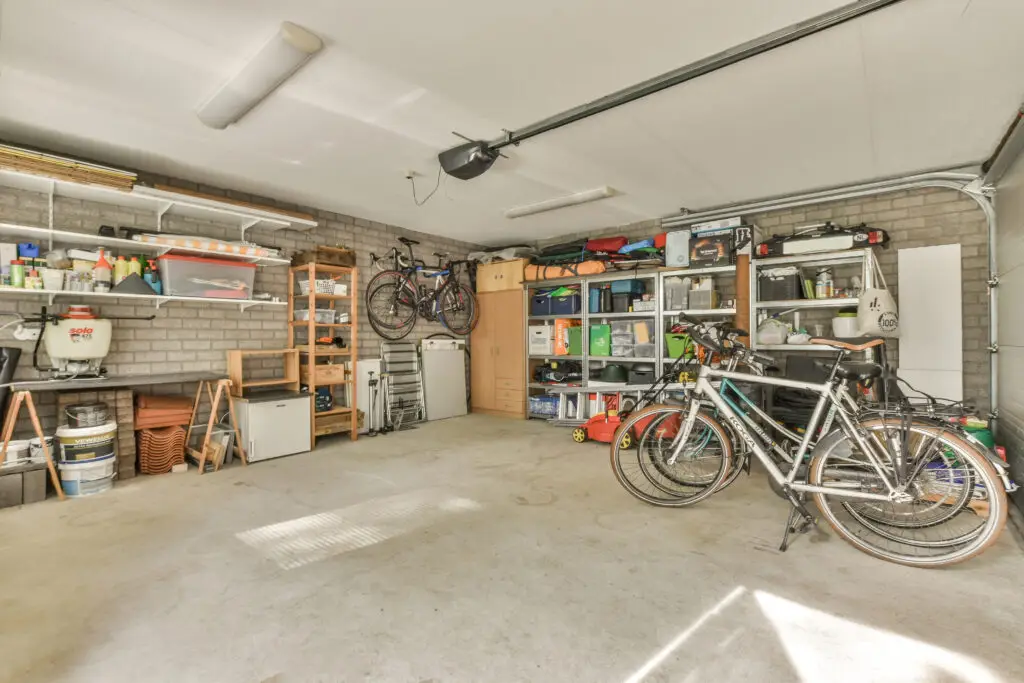
The garage floor often takes a beating, enduring everything from hot tires and oil spills to dropped tools and foot traffic. While durability and protection are key for this hardworking surface, the color you choose for your epoxy coating or concrete paint plays a significant role in its overall appearance, how clean it looks, and even how well-lit your garage feels. Selecting the best color for your garage floor is a balance of style, practicality, and longevity, making it a crucial decision for any homeowner.
Why garage floor color matters
Beyond mere aesthetics, the color of your garage floor has several practical implications:
- Impact on Perceived Cleanliness: Certain colors are far better at hiding dirt, dust, tire marks, and oil stains than others, making your garage look tidier even between deep cleans.
- Light Reflection and Brightness: Lighter colors reflect more light, making your garage feel brighter and more open. This can reduce the need for excessive artificial lighting.
- Visual Appeal and Style: The floor color contributes significantly to the overall look and feel of your garage, transforming it from a purely utilitarian space into a more inviting and organized area. It can also complement your home’s exterior or interior design.
- Resale Value: A clean, well-maintained, and aesthetically pleasing garage floor can add to your home’s curb appeal and overall resale value.
Popular colors for epoxy & concrete paint
When it comes to garage floor coatings like epoxy or specialized concrete paint, a few core color families dominate due to their excellent balance of aesthetics and practicality.
Gray tones
- Versatility: Gray is by far the most popular choice for garage floors, and for good reason. It offers incredible versatility, ranging from light dove grays to deep slate hues.
- Hides Imperfections: Gray is excellent at camouflaging dirt, dust, and tire marks, making it a low-maintenance option for looking clean.
- Modern Aesthetic: It provides a neutral, contemporary backdrop that complements almost any garage decor or wall color.
- Flake Systems: Often used as a base color for decorative flake systems, where colored flakes are broadcast over the wet epoxy, adding texture, depth, and even better stain hiding properties.
Tan and beige
- Warmth: These earth tones offer a warmer alternative to gray, providing a softer, more inviting feel to the garage.
- Dirt Camouflage: Tan and beige shades are also quite effective at hiding dirt and dust, especially in regions with sandy or light-colored soil.
- Traditional Look: They can complement homes with more traditional or rustic architectural styles.
- Natural Feel: If your garage is used as a workshop or hobby space, tan can offer a more natural, less industrial feel.
Charcoal and black
- Sleek and Dramatic: Darker colors like charcoal and black create a bold, modern, and high-contrast look.
- Hides Tire Marks and Oil: They are exceptionally good at concealing tire marks and most oil drips, though lighter dust can be more visible.
- Sophisticated Appeal: Often chosen for garages that are considered extensions of the living space or showcase vehicles.
- Can Absorb Heat: Darker colors will absorb more light, making the garage feel slightly darker and potentially warmer in direct sunlight.
How to choose based on lighting, usage, and stains
Making the best color choice involves considering your specific garage environment and how you use the space.
- Lighting:
- Poorly Lit Garages: Opt for lighter shades of gray, tan, or even off-white. These colors will reflect more ambient light, making the space feel brighter and more open without needing additional fixtures.
- Well-Lit Garages: You have more flexibility. Darker grays or even black can look sophisticated in a well-lit garage, especially with good overhead lighting.
- Usage:
- High-Traffic/Workshop: For garages that see heavy foot traffic, vehicle parking, or are used as a workshop, mid-range grays or speckled flake systems are ideal. They are highly forgiving and hide dirt and scuffs well.
- Showroom/Display: If your garage is designed to showcase vehicles or is a clean hobby space, darker, solid colors like charcoal or black can provide a dramatic backdrop, or a very light, pristine gray can create a gallery feel.
- Storage Only: For garages primarily used for storage, functionality over aesthetics might lead you to a utilitarian mid-gray.
- Stains and Dirt Hiding:
- Tire Marks: Darker colors (charcoal, black) and mid-range grays with multi-colored flakes are best for hiding tire marks.
- Oil and Grease: Again, darker colors are good, but a speckled flake system (where the flakes are a mix of different grays, blacks, and whites) is perhaps the best at camouflaging oil drips, dirt, and dust. The varied pattern breaks up the visual monotony and blends in imperfections.
- Dust: Lighter grays and tans can hide light dust better than solid dark colors, where white dust can stand out.
Matte vs. Glossy finish considerations
The sheen of your garage floor coating also impacts its appearance and practicality.
- Glossy Finish:
- Pros: Creates a highly reflective, “wet look” that enhances brightness and makes the garage feel larger. It’s often associated with a sleek, high-end appearance. Easier to wipe clean as spills tend to bead up on the smooth surface.
- Cons: Can be more slippery when wet, although anti-slip additives can be incorporated into the topcoat. Shows imperfections, dust, and scuff marks more readily than a matte finish, requiring more frequent cleaning to maintain its pristine look.
- Best For: Garages used more for display, show cars, or where a highly polished look is desired, and regular cleaning is maintained.
- Matte Finish:
- Pros: Offers a subdued, non-reflective look that can feel more modern and industrial. Excellent at hiding imperfections, minor scratches, and dust. Provides better traction, especially when wet, making it safer.
- Cons: Does not reflect light as much, so the garage might feel slightly darker. May require a bit more effort to wipe away very sticky spills compared to a super-slick glossy surface.
- Best For: High-traffic garages, workshops, or where safety and hiding everyday grime are top priorities.
Ultimately, the best color and finish for your garage floor is a personal choice that balances your aesthetic preferences with the practical demands of your lifestyle and garage usage. By carefully considering these factors, you can achieve a durable, stylish, and highly functional garage floor that you’ll appreciate for years to come.
Check it out: How long does garage floor paint take to dry? Timing & tips
Ready to transform your garage floor into a durable and stylish extension of your home? Anderson’s Painting specializes in professional garage floor coatings, offering a wide range of colors and finishes to suit your needs. Our experts ensure a flawless application for lasting beauty and protection. Contact us today for a free consultation and let’s choose the perfect floor for your garage!