
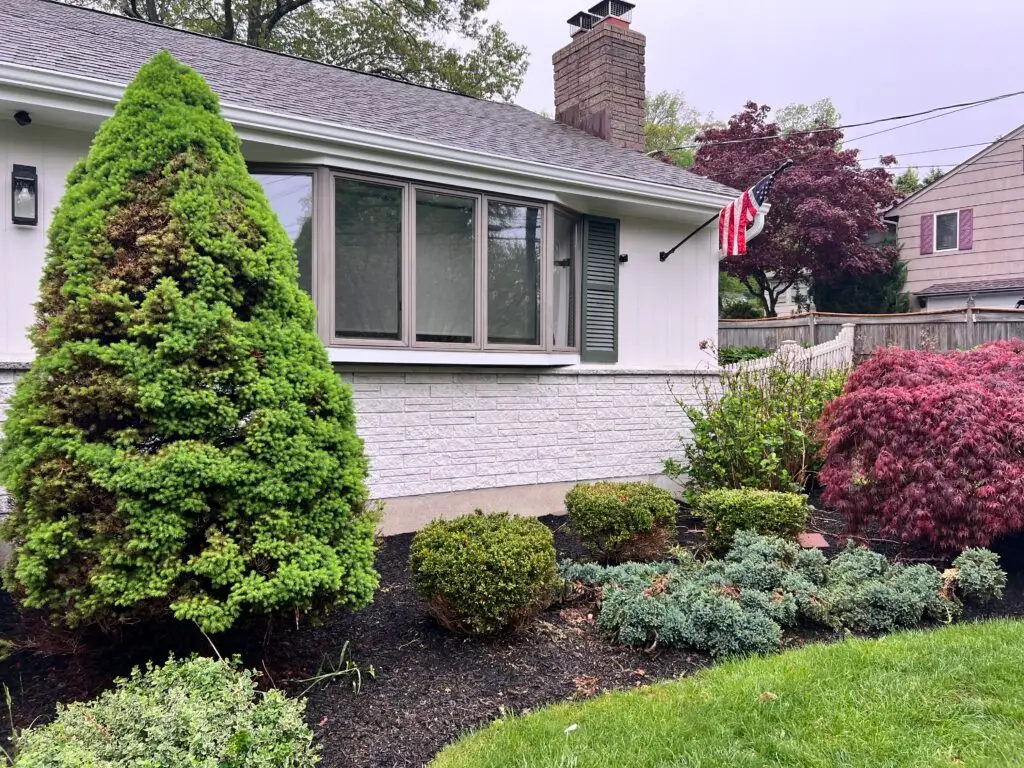
Exterior window frames are constantly exposed to the harshest elements, from scorching sun and driving rain to freezing temperatures and humidity. A well-chosen and properly applied paint job on these frames isn’t just about aesthetics; it’s a critical line of defense for your windows and the structural integrity of your home. Selecting the right paint, specifically formulated for outdoor conditions and the frame material, is paramount for a long-lasting, protective, and beautiful finish.
Why choosing the right paint matters
The paint on your exterior window frames endures unique stresses, making specialized paint selection crucial.
- Extreme Weather Exposure: Unlike walls, window frames are highly exposed to direct sun, rain, snow, and significant temperature fluctuations. The paint must be able to expand and contract without cracking or peeling.
- UV Resistance: Constant exposure to ultraviolet (UV) rays can cause paint to fade, chalk, and break down prematurely. High-quality exterior paints offer superior UV protection to maintain color and integrity.
- Moisture Protection: Window frames are particularly vulnerable to water intrusion. The paint acts as a barrier, preventing moisture from seeping into the frame material, which can lead to rot (for wood), mold, and compromised insulation.
- Durability and Adhesion: The paint needs to adhere strongly to various window frame materials (wood, vinyl, aluminum) and withstand wear and tear from cleaning, opening, and closing.
- Aesthetics and Curb Appeal: Well-maintained, freshly painted window frames significantly enhance your home’s curb appeal, making it look crisp and inviting. Peeling or faded paint on frames can quickly make a home look neglected.
- Longevity: Investing in the right paint means you won’t have to repaint your window frames as frequently, saving time and money in the long run.
Check it out: How to paint exterior window frames?
Types of exterior window frame materials
Exterior window frames are commonly made from a few key materials, each with unique properties that influence paint choice and preparation.
- Wood:
- Characteristics: Classic, natural, can be stained or painted. Can swell, shrink, and rot if not properly protected. Requires thorough preparation (sanding, priming) and flexible paint.
- Common Issues: Peeling, cracking, rot, mildew if moisture penetrates.
- Vinyl (PVC):
- Characteristics: Durable, low-maintenance, and typically manufactured with color integrated into the material. However, older vinyl can chalk or fade. Painting requires specialized paint that can adhere to plastic and won’t cause warping.
- Common Issues: Fading, chalking, warping (if painted with dark colors that absorb too much heat).
- Aluminum:
- Characteristics: Lightweight, strong, rust-resistant. Often pre-finished with an anodized or painted coating. Painting raw or previously painted aluminum requires specific primers for adhesion.
- Common Issues: Fading, chalking, minor corrosion if coating is compromised, poor adhesion if improperly prepared.
Check it out: Can You Paint Aluminum Window Frames?
Best paint types by frame type
Matching the paint type to the window frame material is crucial for adhesion, durability, and a lasting finish.
Wood window frames
- Surface Preparation: Crucial. Scrape off all loose, peeling paint. Sand the surface smooth, feathering edges. Fill any holes or cracks with exterior wood filler, then sand. Clean thoroughly.
- Primer: A high-quality exterior acrylic latex primer is essential for bare wood to seal it, prevent tannin bleed, and provide excellent adhesion. For severely chalky or oil-painted surfaces, an oil-based exterior primer might be necessary for better adhesion.
- Topcoat:
- 100% Acrylic Latex Exterior Paint (Semi-Gloss or Gloss): This is the top recommendation. It’s flexible, allowing it to move with the wood, resists cracking and peeling, offers excellent UV protection, and typically contains mildewcides. The semi-gloss or gloss finish is durable and easy to clean.
- Alkyd (Oil-Based) Exterior Paint: While more durable in terms of hardness, modern oil paints are less flexible than acrylics and can become brittle over time, leading to cracking. They also clean up with mineral spirits. Generally, 100% acrylic latex is preferred for wood’s movement.
Vinyl window frames
- Surface Preparation: Clean thoroughly to remove all dirt, grime, and chalk. A light sanding with 220-grit sandpaper can help adhesion but is not always required for all specialized vinyl paints.
- Primer: While some vinyl-specific paints are self-priming, using a high-quality exterior acrylic primer formulated for plastics can enhance adhesion and provide a uniform base, especially if the vinyl is heavily chalked or a drastic color change is desired.
- Topcoat:
- Specialized “Vinyl Safe” Acrylic Latex Paint: This is the only type of paint recommended for vinyl. These paints are formulated with special resins and pigments that do not absorb excessive heat, preventing the vinyl from warping, twisting, or bowing. Many major paint brands offer dedicated “vinyl safe” color palettes or lines.
- Important Note: Never use dark colors (especially black or dark brown) on vinyl frames unless the paint is explicitly labeled “vinyl safe” for that specific dark color. Dark colors absorb significant heat, which can cause vinyl to warp permanently.
Aluminum window frames
- Surface Preparation: Clean thoroughly to remove all dirt, grease, and chalk. For bare aluminum or previously painted aluminum with poor adhesion, light sanding or even a chemical etcher might be needed to improve paint grip.
- Primer: Crucial for adhesion. Use a metal-etching primer or a high-quality, bonding exterior acrylic primer specifically designed for bare or previously painted aluminum. This ensures the topcoat adheres properly to the smooth, non-porous surface.
- Topcoat:
- 100% Acrylic Latex Exterior Paint (Semi-Gloss or Gloss): Offers excellent flexibility, corrosion resistance, and UV protection, making it suitable for aluminum. The smooth, hard finish is easy to clean.
- Direct-to-Metal (DTM) Acrylic Paint: Some paints are formulated to adhere directly to metal without a separate primer, offering convenience, but ensure they are suitable for exterior aluminum.
Check it out: How to Paint Aluminum Window Frames?
Application tips for a smooth finish
Proper application techniques are just as important as choosing the right paint.
- Work in Optimal Conditions: Paint when temperatures are moderate (typically 50-85°F), humidity is low, and no rain is expected for at least 24-48 hours. Avoid direct, scorching sunlight which can cause paint to dry too quickly.
- Clean and Prep Meticulously: This cannot be overstressed. All surfaces must be clean, dry, dull (sanded), and free of loose debris. Any missed step here will lead to paint failure.
- Tape Off Glass: Use high-quality painter’s tape to meticulously mask off the window glass. Press firmly along the edges to prevent paint bleed. Remove tape promptly after the final coat is dry to the touch, but before it fully cures, to prevent tearing.
- Use Quality Brushes and Rollers: Invest in good synthetic brushes (angled sash brush for trim and details) and small foam rollers for smooth, flat areas. Quality tools lead to a smoother, streak-free finish.
- Apply Thin, Even Coats: Always apply two thin coats of paint rather than one thick coat. Thin coats dry and cure more evenly, provide better adhesion, and are less prone to drips or runs. Allow adequate drying time between coats (check paint can instructions).
- Maintain a Wet Edge: When painting larger sections, try to maintain a “wet edge” to avoid lap marks. Work systematically, moving from one end to the frame to the other.
- Ventilation: Even outdoors, ensure good airflow around the work area for quicker drying and fume dispersion.
Recommended products from pros
While specific product availability can vary, professional painters often gravitate towards certain types and brands known for their performance on exterior window frames.
- Primers:
- Sherwin-Williams: Adhesion Primer, Extreme Bond Primer.
- Benjamin Moore: Fresh Start All-Purpose or Exterior Primers.
- Zinsser: B-I-N Shellac-Base Primer (for severe bleed-through on wood), Bulls Eye 1-2-3 (all-purpose bonding primer).
- Rust-Oleum: Clean Metal Primer (for aluminum).
- Topcoats (100% Acrylic Latex Exterior Paint, Semi-Gloss or Gloss):
- Sherwin-Williams: Duration Exterior Acrylic Latex, Emerald Exterior Acrylic Latex, or Resilience Exterior Acrylic Latex (especially good in areas with unpredictable rain). They also have specific “VinylSafe® Color Technology” for vinyl.
- Benjamin Moore: Aura Exterior, Regal Select Exterior, or Ben Exterior. Look for their “Vinyl Select” options for vinyl frames.
- Behr: Marquee Exterior, Premium Plus Exterior (often available at large home improvement stores and offer good value).
- PPG: Manor Hall Timeless Exterior.
- Specialty Paints for Vinyl:
- Always look for product lines explicitly stating “Vinyl Safe” or “Safe for Vinyl Siding/Windows” from any major paint manufacturer. These are crucial for preventing warping.
By combining diligent preparation, appropriate application techniques, and the right high-quality paints, you can ensure your exterior window frames not only look fantastic but also provide robust, long-lasting protection for your home. Contact us today!